
The Science Is More Surprising Than the Myth
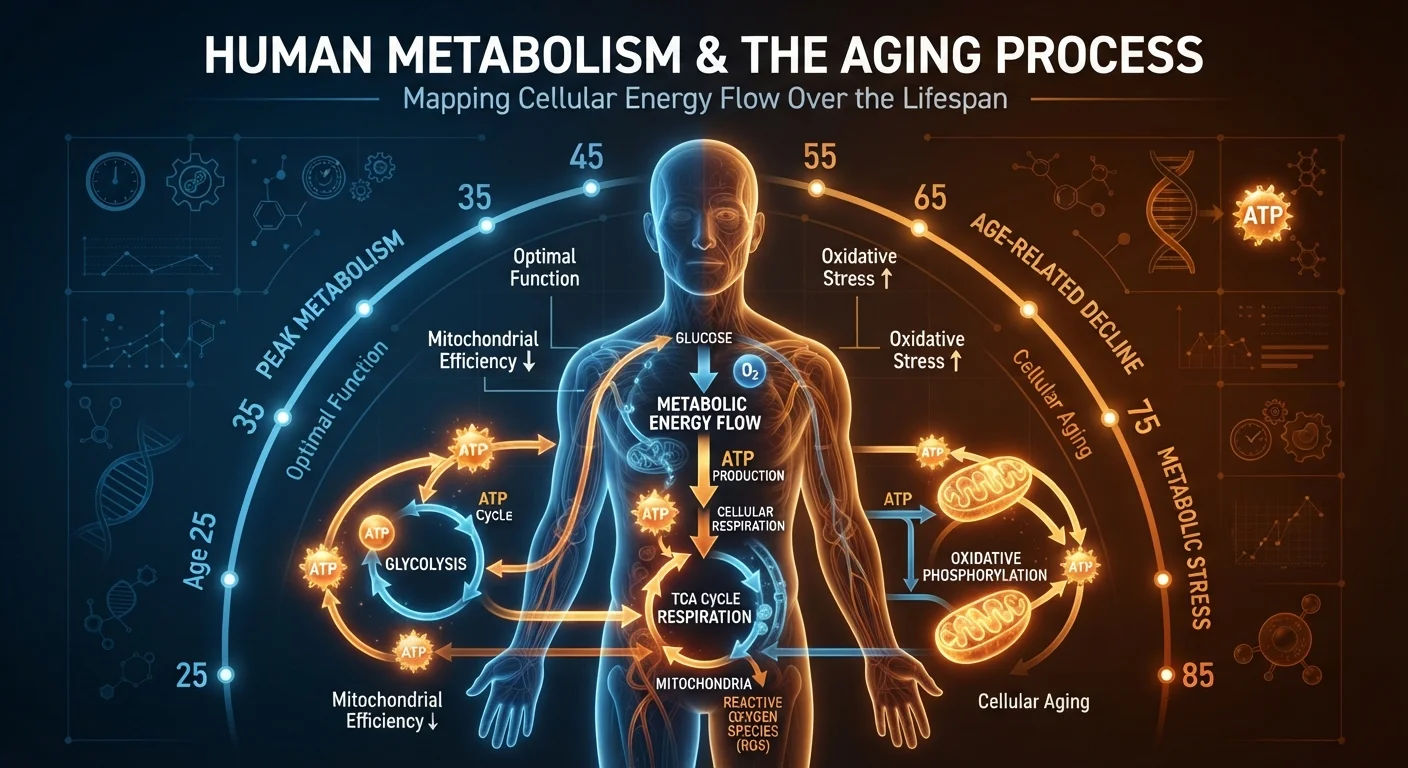
Ask most people when metabolism starts to slow, and they'll say their 30s. Ask a doctor, and the answer gets more complicated. A landmark 2021 study published in the journal Science, which analyzed data from over 6,400 people across 29 countries, found that metabolic rate remains remarkably stable between the ages of 20 and 60-then declines measurably after that.
This challenges a deeply entrenched belief: that hitting 40 automatically means a slowing metabolism. The research suggests the real metabolic shift is a post-60 phenomenon, driven more by physiological changes in body composition than by a simple birthday clock.
That doesn't mean nothing changes in midlife. It means the causes are more specific-and more actionable-than many assume. For a broader look at what actually drives energy expenditure, see our article on factors that genuinely influence your metabolic rate.
Why Muscle Mass Is the Real Story
The primary reason older adults burn fewer calories at rest isn't a mysterious biological clock-it's sarcopenia, the gradual loss of skeletal muscle mass that begins as early as the mid-30s and accelerates after 60. Muscle is metabolically expensive tissue: it burns significantly more calories at rest than fat tissue does. As muscle mass declines, so does the body's baseline calorie demand.
This is why two people of the same age and body weight can have meaningfully different resting metabolic rates depending on their muscle-to-fat ratio. It's also why resistance training consistently emerges as the most evidence-supported intervention for maintaining metabolic health across the lifespan.
0.7%
Annual metabolic decline after age 60
Per a 2021 study in Science analyzing energy expenditure data from more than 6,400 individuals across 29 countries.
~3-8%
Muscle mass lost per decade after age 30
According to general estimates cited in exercise physiology literature, with accelerated loss after age 60 in sedentary individuals.
Stable 20-60
Age range of relatively stable metabolic rate
The same 2021 Science study found metabolic rate did not decline meaningfully between early adulthood and age 60, contrary to popular belief.
Hormonal changes compound this effect. Declining levels of testosterone in men and estrogen in women-both of which support muscle maintenance-contribute to shifts in body composition that aren't always visible on a scale. The result is often a higher proportion of fat relative to lean tissue, even without significant weight gain.
What This Actually Means for Body Weight
The relationship between aging, metabolism, and weight is frequently oversimplified. Weight gain in midlife is real, but attributing it entirely to a slowed metabolism is an incomplete explanation. Research points to a confluence of factors: reduced physical activity (often gradual and barely noticed), changes in sleep quality that affect hunger hormones, and dietary habits that shift over decades.
Understanding this distinction matters because it changes what's actionable. If metabolism were the sole culprit, the options would feel limited. But because lifestyle and body composition play central roles, there's genuine room for meaningful change-not through extreme measures, but through consistent habits.
It's also worth noting that metabolic adaptation-the body's tendency to adjust calorie burning in response to changes in intake or weight-interacts with age-related factors in complex ways. Our explainer on metabolic adaptation and what it means for long-term health goes deeper on this mechanism.
Resistance Training Is Your Best Tool
Preserving muscle mass is the most evidence-backed way to support metabolic health as you age. Resistance training two to three times per week, combined with adequate dietary protein, helps maintain the lean tissue that drives your resting calorie burn. Talk to a healthcare provider or certified fitness professional before starting a new exercise program, especially if you have existing health conditions.
For those curious about how weight management considerations evolve decade by decade, see weight management across the lifespan.
This article is for general informational and educational purposes only and does not constitute medical advice. Consult a qualified healthcare professional for guidance specific to your health situation.