
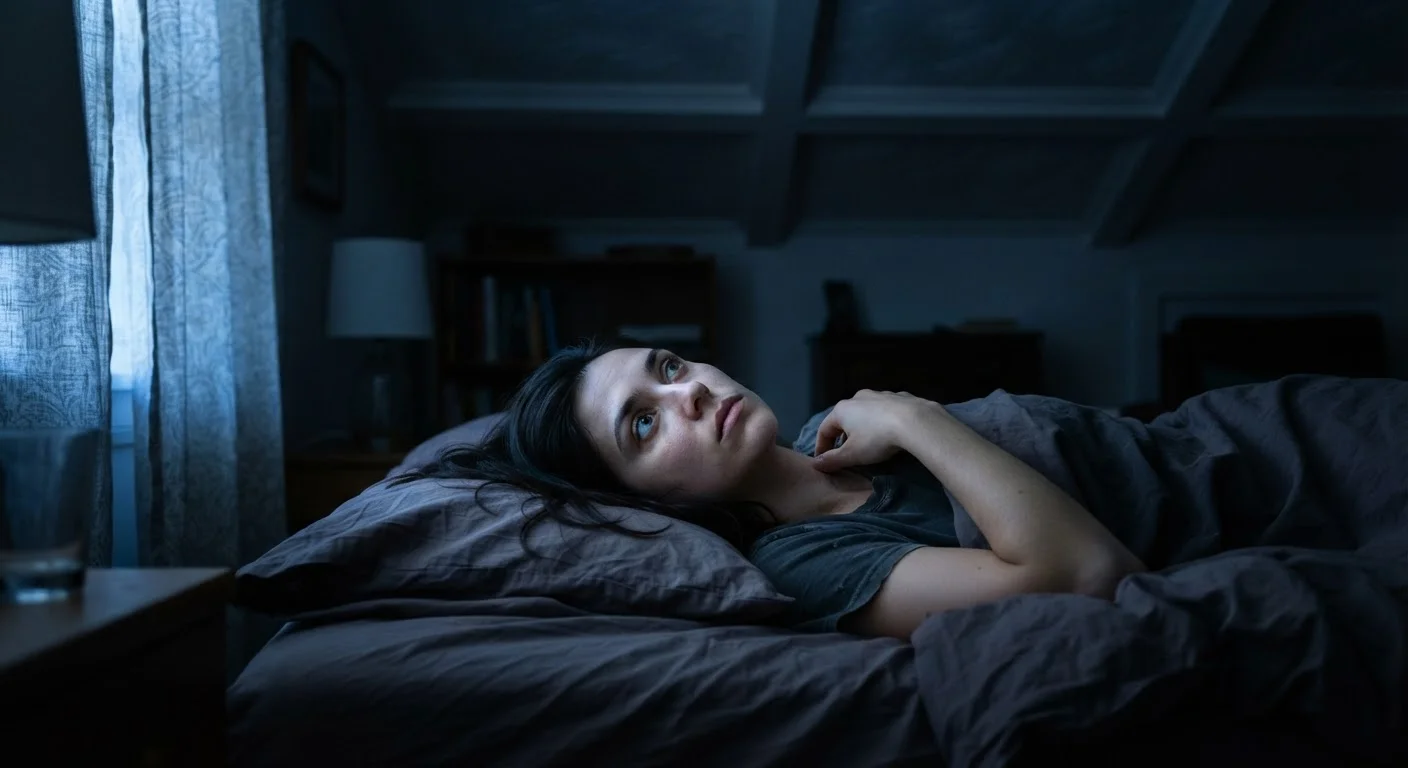
Why Sleep Is Not Optional for Emotional Balance
Most of us have experienced it: after a restless night, small annoyances feel enormous, patience runs thin, and even neutral comments sting. This isn't simply a matter of being cranky. There's a well-documented neurological reason sleep-deprived people experience the world more emotionally — and understanding it can change how seriously you take your nightly rest.
Sleep is when the brain consolidates memories, clears metabolic waste, and — critically — resets its emotional regulatory systems. Without adequate sleep, that reset doesn't happen fully. The result is a nervous system that's primed for reactivity rather than resilience. As researchers have explored the role of sleep in emotional resilience, the evidence points in one consistent direction: sleep isn't a luxury. It's a biological requirement for emotional stability.
What Happens in the Brain When You're Sleep-Deprived
The brain region most relevant to emotional reactivity is the amygdala — a small, almond-shaped structure that acts as an alarm system, flagging threats and triggering emotional responses. Studies using brain imaging have found that sleep deprivation causes the amygdala to become significantly more responsive to negative stimuli, sometimes showing up to 60% greater activation compared to well-rested states.
Equally important is what happens to the prefrontal cortex, the area responsible for rational thought, impulse control, and emotional regulation. When you're under-slept, communication between the prefrontal cortex and the amygdala becomes impaired — meaning your brain's "brakes" are weakened just as its "accelerator" gets heavier. This is why sleep-deprived individuals are more likely to overreact, misread social cues, and struggle to de-escalate emotional situations.
~60%
Greater amygdala reactivity after sleep deprivation
Brain imaging studies have found that sleep-deprived individuals show markedly amplified amygdala responses to negative emotional stimuli compared to well-rested counterparts.
1 in 3
U.S. adults not getting enough sleep
According to the CDC, about one-third of American adults report regularly sleeping fewer than the recommended 7 hours per night.
7–9 hrs
Recommended nightly sleep for adults
The American Academy of Sleep Medicine and the CDC both recommend 7–9 hours of sleep per night for adults to support physical and mental health.
This dynamic also intersects with the body's stress hormone system. Poor sleep raises cortisol levels, and elevated cortisol further disrupts both sleep quality and emotional balance — a pattern explored in depth in research on how sleep and stress undermine each other.
The Cumulative Toll of Chronic Poor Sleep
Occasional sleep disruptions are part of life. But when poor sleep becomes a pattern, the emotional consequences compound. Chronic sleep insufficiency — defined by most researchers as consistently sleeping fewer than 7 hours per night — is associated with elevated risk of anxiety disorders and depression. It also affects how people perceive and interact with the world throughout the day, a phenomenon connected to the biology of how mood shifts across the day.
Beyond mood, the effects extend to cognition. The sleep-brain connection that researchers have studied suggests that inadequate sleep affects memory consolidation, decision-making, and even long-term brain health. Emotionally, this means sleep-deprived individuals may not only react more intensely but also struggle to accurately remember or reframe upsetting experiences — a key part of healthy emotional processing.
There's also a mental health feedback loop worth understanding. Poor sleep worsens anxiety and low mood, and those conditions in turn disrupt sleep — a cycle detailed in the research on sleep and mental health as a two-way street. Recognizing this cycle is the first step toward interrupting it.
Practical Implications: Sleep as Emotional Self-Care
Framing sleep as a cornerstone of emotional health — not merely physical recovery — shifts how we approach it. Rather than viewing extra hours of sleep as lost productivity, evidence suggests those hours are actively building your capacity to handle stress, connect with others, and maintain perspective under pressure.
Good sleep hygiene practices — such as maintaining consistent sleep and wake times, limiting screen exposure before bed, and managing caffeine intake — are broadly supported by sleep researchers as foundational habits. For those experiencing persistent sleep difficulties, a healthcare provider can assess whether underlying conditions such as insomnia or sleep apnea may be contributing.
Explore more about the biology behind restorative sleep in our overview of sleep science.
This article is for general informational and educational purposes only and is not a substitute for professional medical or mental health advice. If you have concerns about your sleep or emotional health, please consult a qualified healthcare provider.