What Separates Compound from Isolation Movements
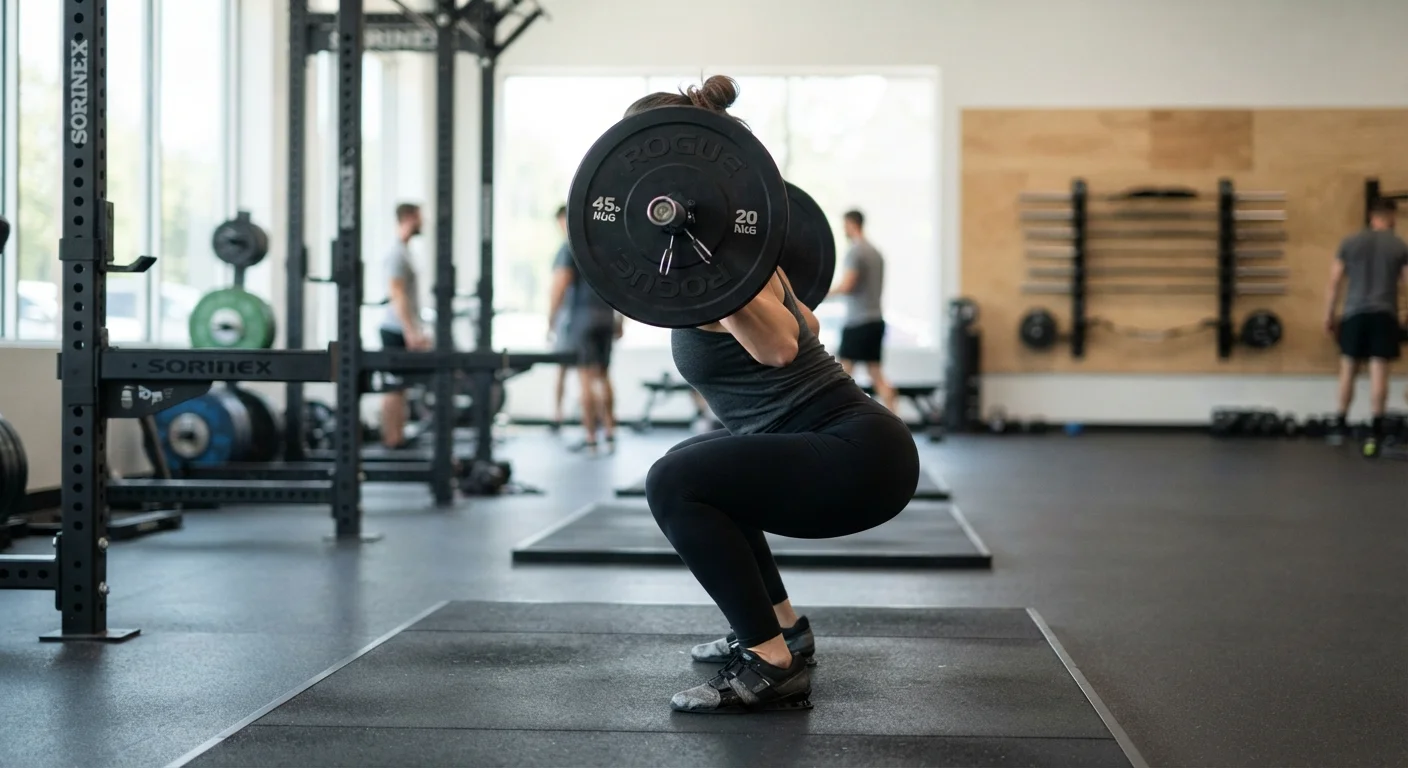
The difference comes down to how many joints and muscle groups are involved in a single movement. Compound exercises cross two or more joints — think squats (hip and knee), deadlifts (hip, knee, and spine), bench press (shoulder and elbow), and pull-ups (shoulder and elbow). Because multiple joints move together, several muscle groups contribute force simultaneously.
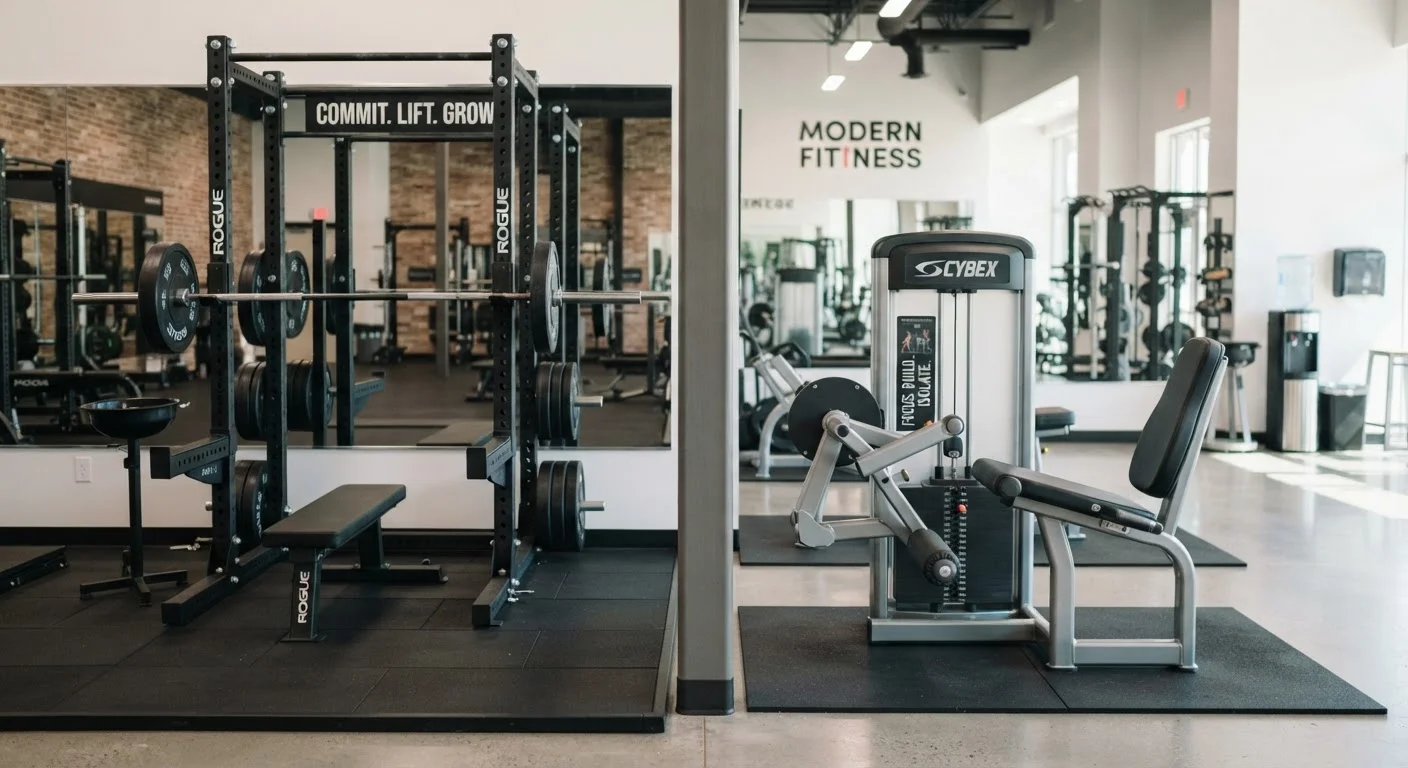
Isolation exercises move through a single joint. A bicep curl flexes only the elbow; a leg extension straightens only the knee. The goal is to direct as much stress as possible to one specific muscle, minimizing help from surrounding muscles.
This distinction shapes everything: how much total muscle tissue is recruited, how heavy you can typically load the movement, how much energy the exercise demands, and what training adaptations you can expect.
The Case for Compound Movements
Compound lifts are the backbone of most evidence-informed training programs — and for good reason. By engaging large amounts of muscle tissue in a single set, they produce a substantial mechanical and metabolic training stimulus. Research in exercise science consistently links multi-joint loading to greater improvements in overall strength, lean mass, and functional capacity compared to isolation work alone.
For time-pressed individuals, compound movements are also efficient. A set of barbell rows trains the lats, rhomboids, rear deltoids, biceps, and spinal erectors simultaneously. That's a lot of training value packed into one exercise. If you're weighing how strength training fits into a broader fitness plan, our overview of strength training versus cardio offers useful context on how these movements contribute to overall health.
| Criterion | Compound Exercises | Isolation Exercises |
|---|---|---|
| Joints involved | Two or more joints | Single joint |
| Muscles recruited | Multiple muscle groups | One primary muscle |
| Training efficiency | High — more muscles per set | Lower — focused stimulus |
| Skill/coordination demand | Higher — more technique involved | Lower — simpler movement |
| Functional carryover | Strong — mirrors daily movement | Limited — specific to one muscle |
| Best program placement | Early in session | Later in session as finisher |
| Ideal for beginners | Yes — primary focus | Supplementary use only |
| Rehabilitation use | Varies — depends on injury | Commonly used — lower load on joints |
Compound exercises also tend to transfer more directly to everyday movement — getting up from a chair mimics a squat pattern; lifting a bag from the floor echoes a deadlift. That functional carryover is why physical therapists and strength coaches typically center programs around these movement patterns.
When Isolation Exercises Earn Their Place
Isolation work isn't a shortcut for vanity — it fills genuine gaps that compound movements can't always address. Three situations make isolation exercises particularly valuable:
- Correcting muscle imbalances: If one muscle consistently under-activates during compound lifts — a common issue with the glutes, lower traps, or serratus anterior — targeted isolation work can bring it up to par.
- Rehabilitation and injury management: When loading a full movement pattern is contraindicated, isolating the surrounding musculature can maintain strength during recovery. Always work with a qualified professional in these cases.
- Advanced hypertrophy goals: Intermediate and experienced lifters often find that certain muscles (biceps, lateral deltoids, hamstrings) need dedicated isolation volume beyond what compound lifts provide to continue progressing.
Isolation exercises also have a lower coordination and skill demand, which means beginners can often perform them safely with minimal coaching — though this doesn't mean they should replace compound training early on.
Building a Program That Uses Both Strategically
The most practical approach for most people is a compound-first structure: begin each session with one or two demanding multi-joint lifts performed when energy and focus are highest, then use isolation exercises later in the workout to target specific muscles or address weak links.
A simple lower-body session might look like this: squats and Romanian deadlifts as the compound anchors, followed by leg curls and calf raises as isolation finishers. This sequencing respects the energy demands of each movement type and ensures the most important patterns get the best training quality.
How you weight the ratio of compound to isolation work depends on your goals. Beginners and general-fitness seekers typically do well with a 70–80% compound emphasis. Those training for athletic performance lean even more heavily on compound patterns, as explored in our comparison of performance training versus general health exercise. Bodybuilders or those targeting specific aesthetics may shift that ratio as they advance.
If you're exploring different program structures, strength training versus circuit training breaks down how each format arranges these exercise types differently to meet fitness goals.
This article is for general informational purposes only and does not constitute medical or professional fitness advice. Consult a qualified healthcare provider or certified fitness professional before beginning any new exercise program, particularly if you have existing injuries or health conditions.