The Temptation to Add More Weight
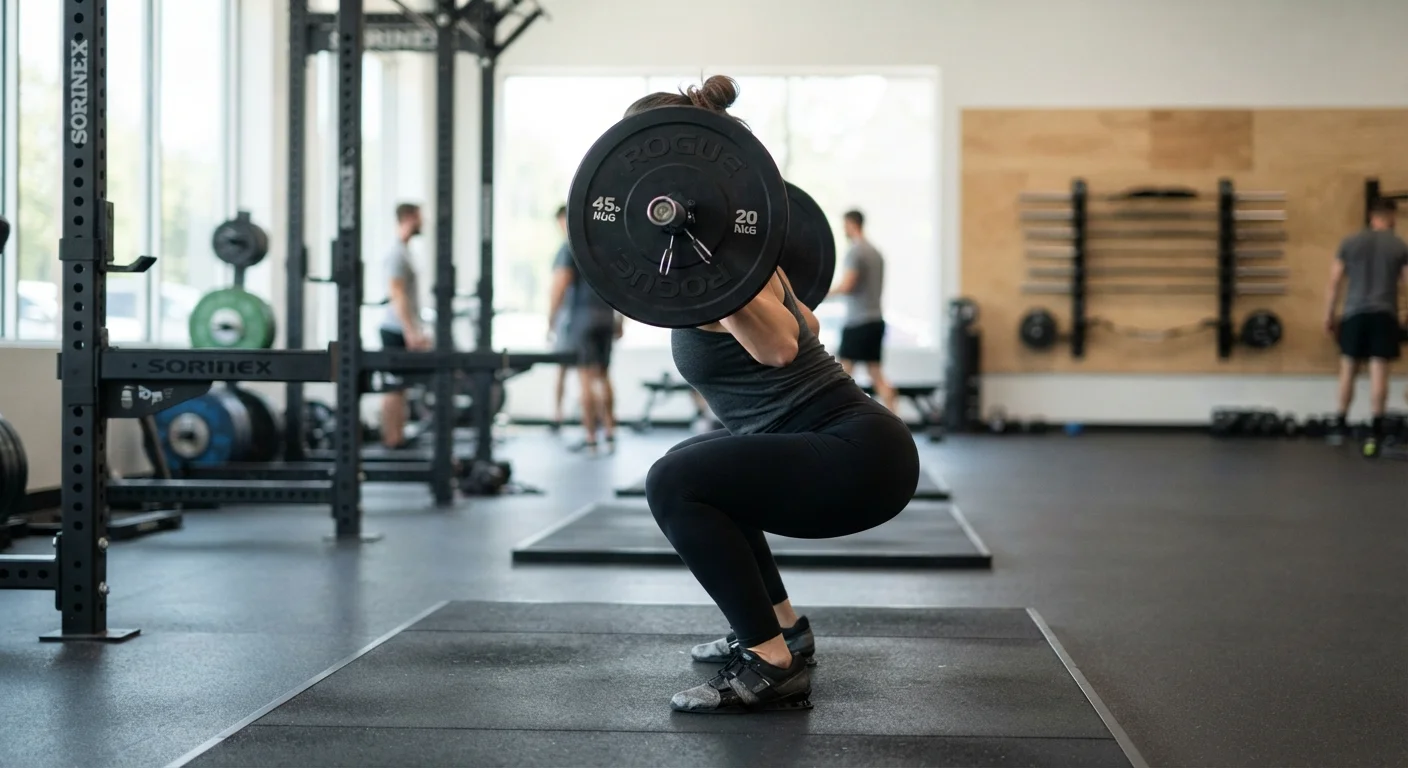
Walk into almost any gym and you'll see it: someone grinding through a squat with their knees caving inward, or pulling a deadlift off the floor with a rounded lower back. The weight moves — barely — and they count it as a rep. The problem isn't effort. The problem is that the movement pattern underneath the load isn't ready to support it.
This is one of the most common traps for beginners and returning exercisers alike. Progress feels like adding weight to the bar. And while progressive overload — gradually increasing training demands — is a legitimate and well-established principle of strength development, it only works when the movement holding that load is sound. Technique is not a checkbox you clear once. It is the foundation every subsequent pound of progress is built on.
If you're new to structured lifting or getting back into it after time away, see our guide to why early plateaus happen and how smart programming prevents them — many of the same structural issues apply.
Why Technique Breaks Down Under Load
The human body is remarkably good at finding shortcuts. When a movement is too heavy, the nervous system recruits available muscles in whatever pattern produces the most force — not necessarily the safest or most efficient one. Coaches call this technique compensation: the body cheats to move the weight.
These compensations feel normal, especially to newer lifters who haven't yet developed the body awareness to notice them. A squat might shift into a good-morning pattern (torso collapses forward) as the load climbs. A row might become a shrug-and-yank. Each compensation shifts stress away from the intended muscles and onto joints, tendons, and connective tissue not positioned to absorb it.
Over time, this pattern reinforces poor motor habits and increases injury risk. Research consistently shows that most resistance-training injuries are not freak accidents — they are the predictable result of accumulated mechanical stress on tissues loaded in suboptimal positions.
Establish a movement standard before adding load to any lift.
Without a defined quality threshold, there is no objective measure of whether you're ready to progress. A standard gives you a repeatable benchmark. It also prevents the gradual drift where technique erodes incrementally and goes unnoticed.
Record yourself lifting and review the footage honestly.
Most people have a significant gap between how they perceive their movement and what it actually looks like. Video removes that gap. It provides objective data without requiring a coach present at every session.
Use tempo training to build body awareness and control.
Slowing a movement down — especially the lowering (eccentric) phase — removes momentum and forces your muscles to control the weight through the full range of motion. This builds the positional awareness that transfers to heavier loading later.
Treat form breakdown as a signal to reduce load, not push through.
When technique deteriorates mid-set, the body is communicating that the load exceeds its current capacity. Continuing trains the compensated pattern and increases injury risk. Treating breakdown as a stop signal protects both your joints and your long-term progress.
Seek qualified instruction early, not after problems develop.
A few sessions with a certified strength coach or personal trainer early in your lifting career — or after a long break — can prevent months of ingraining movement errors. Corrections made before habits solidify require far less effort than corrections made later.
How to Actually Build Technique First
Building movement quality isn't passive. It requires deliberate practice, honest self-assessment, and a willingness to lift less than your ego suggests you should.
One of the most useful mental reframes is this: treat each movement pattern as a skill, not just an exercise. A squat is a skill. A hinge is a skill. Pressing overhead is a skill. Skills improve through repetition at manageable intensity, not through grinding through reps you can't control. This mindset shift is particularly valuable for older adults returning to lifting — our article on strength training in your 60s and 70s covers how technique-first approaches remain just as effective — and arguably more important — as we age.
This article is for general informational purposes only and does not constitute medical or professional fitness advice. Consult a qualified healthcare provider or certified fitness professional before beginning or modifying any exercise program, especially if you have an existing injury or health condition.