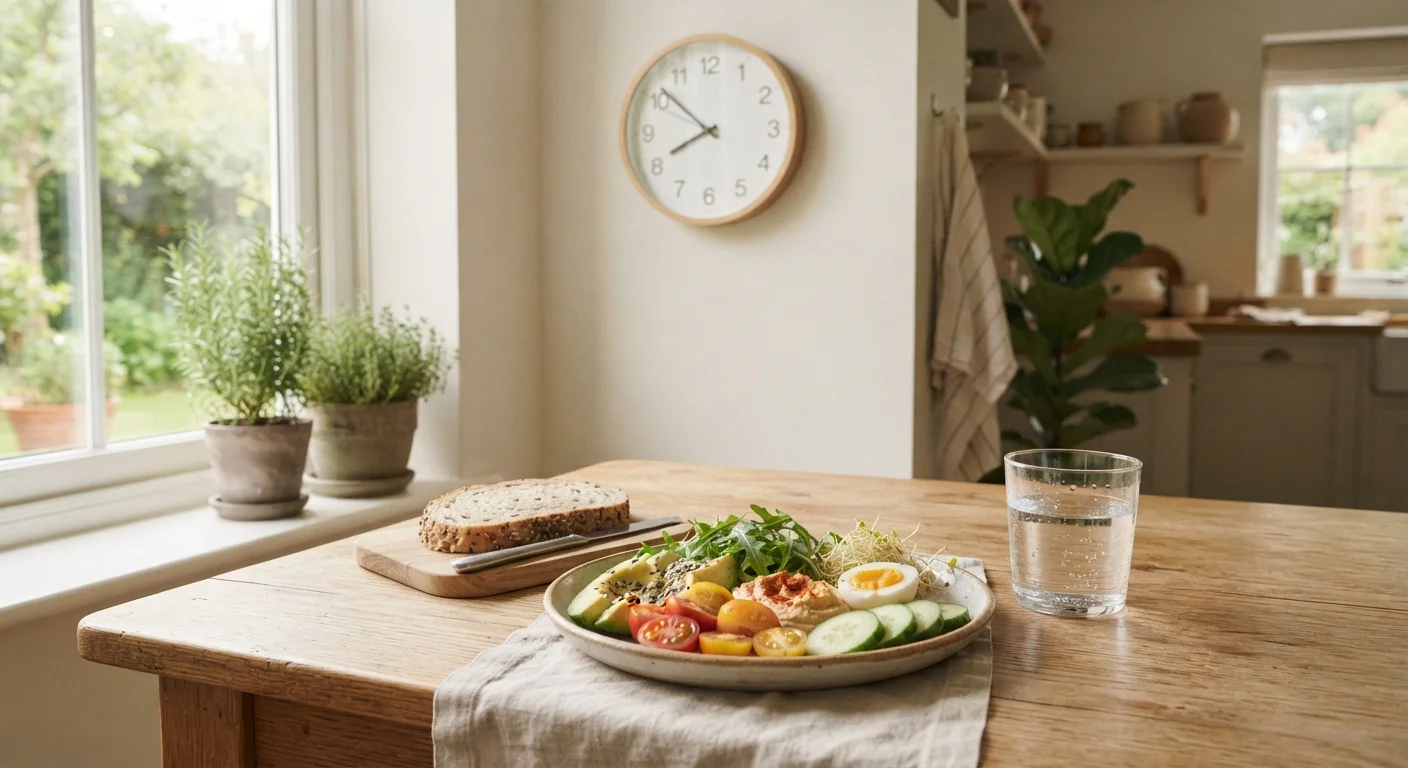
Use this checklist to honestly assess where your daily habits align with—or diverge from—lifestyle patterns linked to long-term health.
Key Takeaways
Longevity-supporting habits span movement, sleep, nutrition, social connection, and preventive care.
Small, consistent daily behaviors have a larger cumulative impact on healthy aging than occasional heroic efforts.
This checklist is for self-reflection and education, not a substitute for personalized medical guidance.
Identifying even one or two habit gaps and addressing them can meaningfully shift your long-term health trajectory.
Regular reassessment — at least annually — helps you stay aligned with your evolving health needs.
Why a Longevity Habit Audit Matters
Research on aging consistently points to the same conclusion: lifestyle factors account for a substantial portion of how well — and how long — we live. Genetics play a role, but daily habits across movement, nutrition, sleep, stress, and social connection appear to drive much of what determines our health in later decades.
The challenge is that habits are largely invisible to us. We often assume we're doing better than we are, or overlook gaps simply because they've become routine. A structured self-audit corrects for that blind spot. It offers an honest, category-by-category look at where your everyday behaviors align with evidence-based longevity patterns — and where meaningful room for improvement exists.
This checklist draws on lifestyle patterns studied in long-running epidemiological research and widely endorsed by major public health bodies. It is not a diagnostic tool or medical evaluation. Use it as a personal reflection exercise, and bring your findings to conversations with your healthcare provider. For a broader baseline assessment, see our Daily Habits Audit as a companion resource.
Movement & Physical Activity
Accumulate at least 150 minutes of moderate-intensity aerobic activity most weeks through walking, cycling, swimming, or similar pursuits.Must
Perform muscle-strengthening activities — such as resistance training or bodyweight exercises — at least twice per week.Must
Break up long periods of sitting throughout the day with brief movement or standing breaks every 30–60 minutes.Should
Include balance and flexibility work — yoga, tai chi, or targeted stretching — at least once per week to reduce fall risk. Review the Aging & Mobility hub for evidence-based approaches.Should
Track your actual daily movement to verify you're moving as much as you believe. Our Daily Lifestyle Audit can help you find hidden gaps.Nice to have
Sleep Quality & Duration
Aim for 7–9 hours of sleep per night consistently, not just on weekends, as chronic short sleep is linked to accelerated aging markers.Must
Maintain a consistent sleep and wake schedule — even on days off — to support your body's circadian rhythm.Must
Limit exposure to bright screens and overhead lighting in the 60–90 minutes before bedtime.Should
Discuss persistent snoring, gasping during sleep, or frequent night waking with your doctor to rule out conditions such as sleep apnea.Must
Nutrition & Hydration
Build most meals around vegetables, fruits, whole grains, legumes, and lean proteins — the pattern consistently associated with lower chronic disease risk.Must
Limit ultra-processed foods, added sugars, and high-sodium packaged products, which appear frequently in dietary patterns linked to poorer aging outcomes.Must
Drink adequate water throughout the day; thirst sensation can diminish with age, making deliberate hydration habits more important over time.Should
Consult your healthcare provider or a registered dietitian before starting any supplement regimen — evidence for most longevity supplements remains limited or mixed.Should
Cardiovascular & Metabolic Health
Know your blood pressure, fasting blood glucose, and cholesterol numbers and work with your provider to keep them within healthy ranges.Must
Avoid or cease tobacco use in any form; smoking is among the most potent modifiable risk factors for early mortality and age-related disease.Must
Moderate alcohol consumption or abstain entirely — current evidence does not support alcohol as health-promoting, and risks increase with age.Should
Practice a regular stress-reduction activity — such as mindfulness meditation, deep breathing, or time in nature — most days of the week.Should
Seek professional support if you experience persistent low mood, anxiety, or difficulty coping; mental health is inseparable from physical aging.Must
Build daily routines that include purpose and meaning — hobbies, volunteering, or creative pursuits — which research links to better cognitive and psychological resilience.Should
Cognitive Engagement & Brain Health
Engage in mentally stimulating activities regularly — reading, learning a new skill, or complex problem-solving — to support cognitive reserve.Should
Protect your hearing; untreated hearing loss is one of the most modifiable risk factors for cognitive decline in later life — schedule a hearing check if needed.Must
Maintain regular, meaningful social interactions; chronic social isolation is associated with elevated risks of cardiovascular disease, cognitive decline, and premature mortality.Must
Stay current with age-appropriate health screenings, immunizations, and dental and vision care — prevention is consistently more effective than late-stage treatment.Must
Review your everyday health habits periodically to ensure your routines are still aligned with your current life stage and health needs.Should
How to Use This Checklist Effectively
Work through each group honestly — resist the urge to check items you do inconsistently or only occasionally. The goal is accuracy, not a perfect score. Mark items as consistently true, sometimes true, or rarely true to give yourself a clearer picture than a simple yes/no allows.
Once you've completed the audit, look for patterns. Are your gaps concentrated in one category — say, sleep or social engagement? Clustered weaknesses in a single domain are often easier to address than scattered ones. Prioritize the must-rated items first, as they reflect the habits with the strongest and most replicated evidence base.
Audit Results Are Not a Diagnosis
This checklist is a structured self-reflection tool, not a clinical assessment. Gaps identified here do not confirm the presence of disease, and strong scores do not guarantee long-term health. Always discuss significant lifestyle concerns, new symptoms, or planned changes to diet, exercise, or supplementation with a qualified healthcare professional before acting.
Consider repeating this audit annually or after any significant life change — retirement, a new health diagnosis, a move — that may shift your daily routines. Pair your results with the Annual Checkup Preparation Checklist to bring concrete, organized observations to your next medical appointment. For adults over 55, the Mobility Self-Check is a worthwhile companion to the movement sections here.
This article is for informational purposes only and does not constitute medical advice. Always consult a qualified healthcare professional before making changes to your health routines, especially if you have existing medical conditions.
Healthy Aging Editorial Team is the collective byline for our editorial team and contributor network. Articles published under this byline or an editorial pen name are researched, written, and reviewed according to our editorial standards for clarity, consistency, and independence before publication.
The content on this site is for informational purposes only and is not a substitute for professional advice. Always consult a qualified professional for guidance specific to your situation.