Why Preparation Makes Your Physical More Effective
An annual physical is one of the highest-value investments you can make in your long-term health — but only if you use the time well. The average primary care visit lasts roughly 18 minutes, according to research published in health services literature, and that window goes faster than most patients expect. Arriving unprepared means potentially missing the chance to discuss symptoms, ask important questions, or confirm which preventive screenings you're actually due for.
Preventive screenings follow evidence-based schedules — many developed by the U.S. Preventive Services Task Force (USPSTF) — that shift with age and personal risk factors. A 40-year-old and a 60-year-old will leave a well-prepared annual visit with very different action plans. Knowing what applies to you before you walk in puts you in a far stronger position to advocate for your own care.
This checklist is organized into the key categories that matter most before a standard adult annual physical. Work through it in the days leading up to your appointment, not the morning of. If you're navigating your first comprehensive physical as an adult, see our practical walkthrough for first-time adult physicals for additional context.
This Is General Information, Not Medical Advice
This checklist is designed to help you prepare for a conversation with your healthcare provider — it does not replace individualized clinical guidance. Screening timelines, medication decisions, and health recommendations should always be made in partnership with a qualified clinician who knows your full medical history. If you are experiencing urgent or worsening symptoms, contact your provider or seek care promptly rather than waiting for a scheduled annual visit.
What to Gather, Log, and Ask
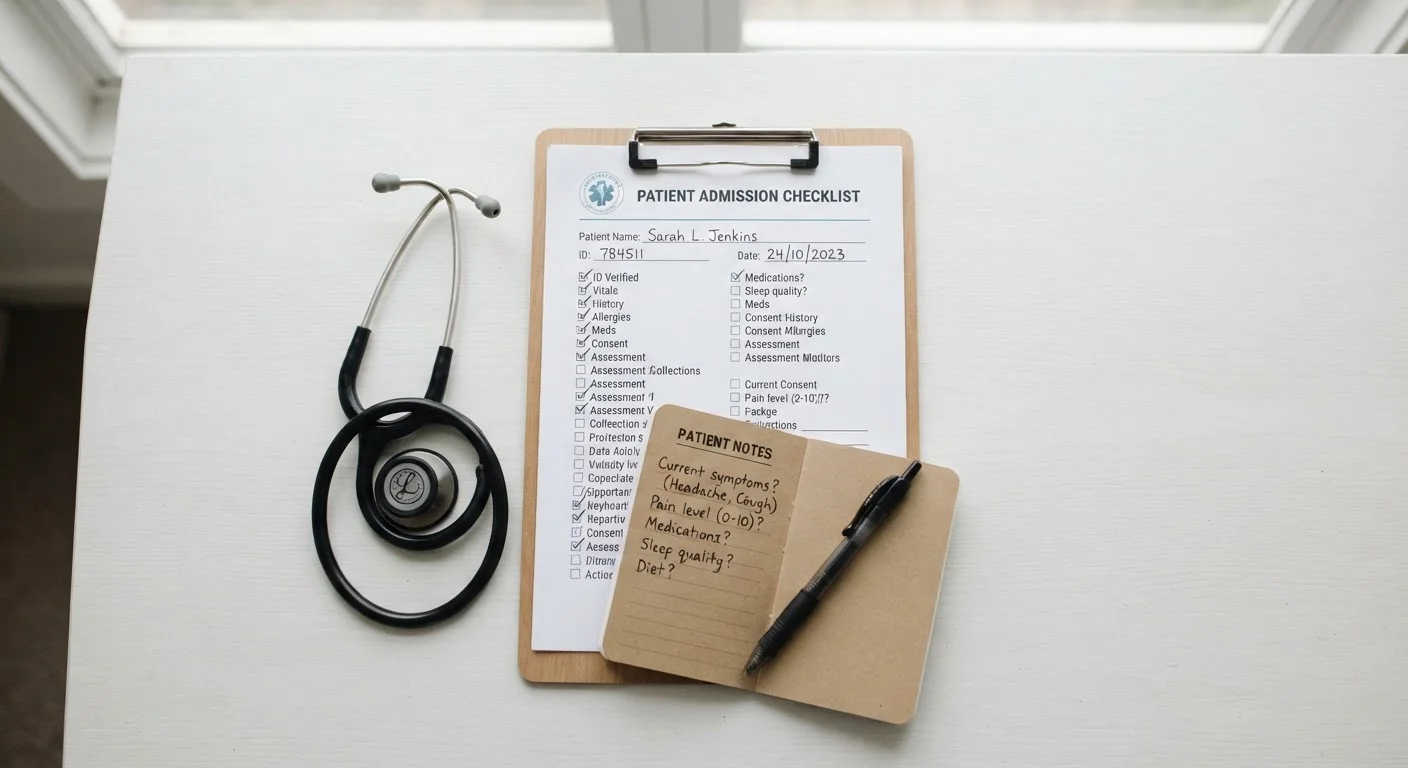
The checklist below covers five preparation areas: records assembly, family and personal history, symptom documentation, question preparation, and day-before logistics. Each item is labeled by priority — must items are non-negotiable for a productive visit, should items are strongly recommended, and nice-to-have items add value when time allows.
Records and Documents to Gather
Family and Personal Health History
Symptom and Concern Log
Questions to Prepare for Your Provider
Day-Before Logistics
Tracking your habits year-round — not just before a checkup — gives your provider more accurate data to work with. Our daily habits audit can help you honestly assess your sleep, movement, and nutrition patterns before your visit.
Tools That Make Preparation Easier
You don't need anything elaborate to prepare well. A consistent system for keeping your health records organized pays dividends every time you see a provider — not just at your annual physical. The tools below range from essential to optional.
Personal health records folder (physical or digital)
Store and organize lab results, vaccination records, and specialist notes in one accessible place.
Medication list template
Systematically record each medication's name, dose, frequency, and prescribing provider.
Symptom journal or notes app
Track recurring symptoms, their frequency, and duration before your appointment.
Patient portal access (e.g., MyChart or equivalent)
Review your prior visit summaries, lab trends, and upcoming screening reminders online.
Many health systems now offer patient portals where you can review your prior lab trends, request records, and see which preventive services were documented at your last visit. If your provider's office offers this, set up access well before your appointment date.
Don't Skip Screenings Due to Cost
Under the Affordable Care Act, most health insurance plans are required to cover a defined set of preventive services — including many screenings — at no cost sharing when delivered by an in-network provider. Contact your insurer before your visit to confirm which services are covered for your age and risk profile. If you are uninsured or underinsured, community health centers and federally qualified health centers (FQHCs) provide sliding-scale preventive care.
Beyond the physical exam itself, your annual checkup is also an opportunity to reflect on cognitive and aging-related health. If you'd like a structured way to review those dimensions, our annual brain health self-audit walks through the lifestyle factors most linked to cognitive aging. You may also find value in the longevity habit audit to evaluate where your daily routines align with long-term health evidence.
This article is for general informational and educational purposes only and does not constitute medical advice. Always consult a qualified healthcare professional for guidance specific to your health history, symptoms, and screening needs.