Why Mindfulness Doesn't Look the Same for Everyone
Mindfulness is often described as paying deliberate, non-judgmental attention to the present moment — but that single definition covers a surprisingly wide range of practices. Some people picture a serene figure on a cushion, eyes closed, breath steady. Others are doing something closer to mindfulness while washing dishes or taking a slow walk around the block.
That variety is actually one of mindfulness's strengths. Research has shown that different techniques can engage different stress-response systems in the body and brain, which is one reason a method that resonates deeply for one person may feel frustrating or inaccessible to another. Understanding how each approach works — not just what to do, but why it may help — can make it easier to find a starting point that fits your life. For a broader look at how mindfulness compares to other stress tools, see our comparison of common stress management approaches.
Below are several ways people commonly use mindfulness to manage stress, along with a plain-language explanation of the mechanism behind each.
Mindful Breathing
Focused attention on the breath is one of the most widely studied mindfulness techniques. By directing awareness to each inhale and exhale, practitioners interrupt the mind's tendency to ruminate on past stressors or anticipate future ones — a cycle that research links to heightened anxiety.
Physiologically, slow, deliberate breathing can activate the parasympathetic nervous system (the body's "rest and digest" state), helping to lower heart rate and reduce cortisol, the primary stress hormone. Even a few minutes of mindful breathing can create a measurable shift in how the body responds to stress. For a deeper look at what's happening in the body, see our article on breathing exercises and mood.
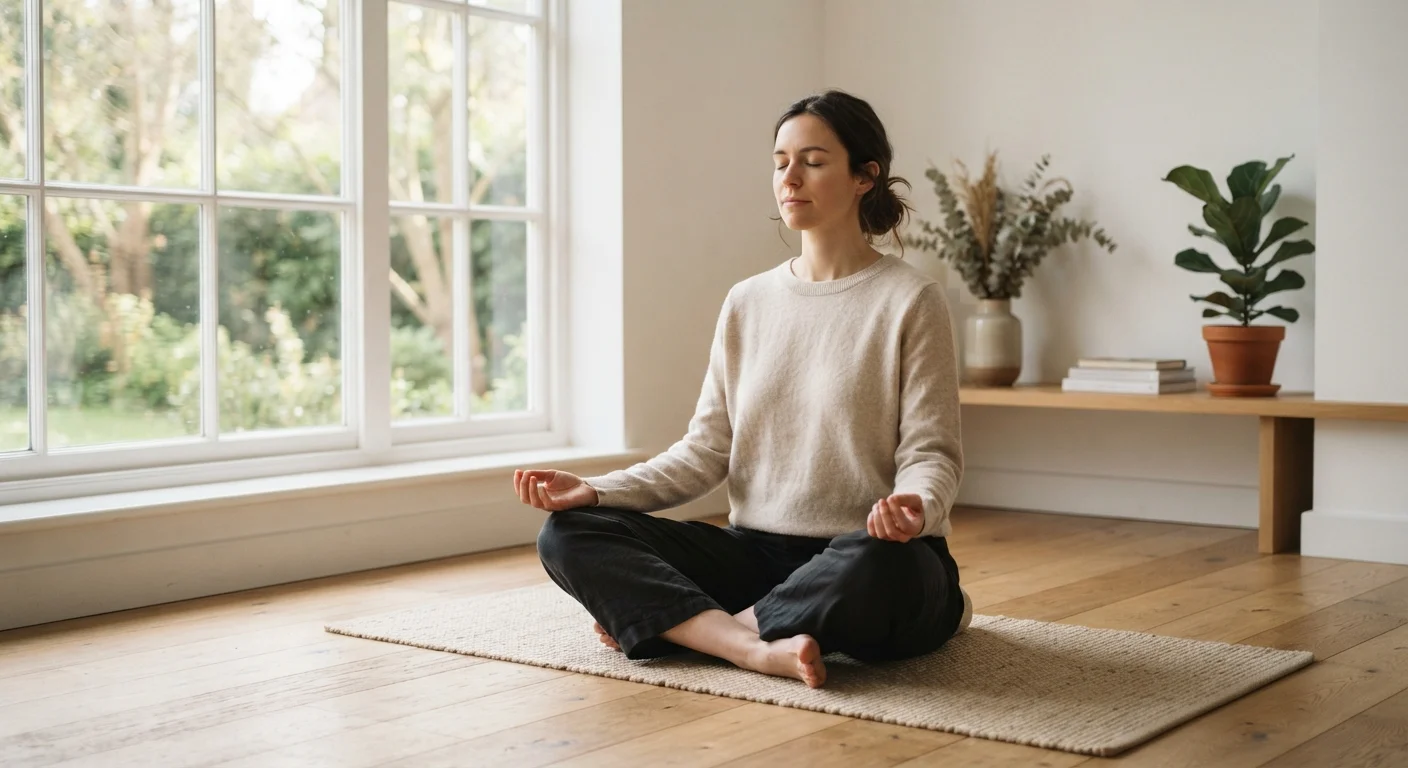
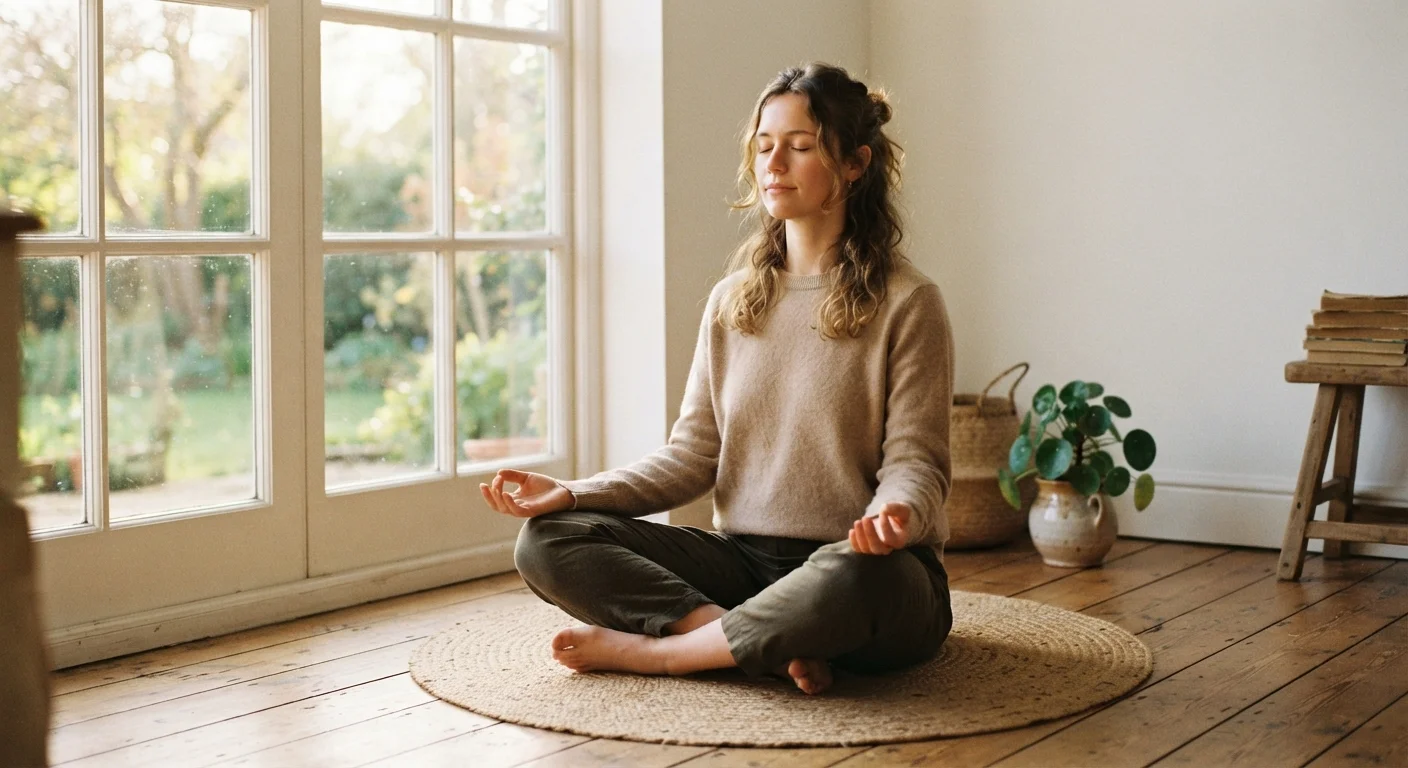
Directing attention to the breath can interrupt rumination and gently activate the body's natural calming response.
Body Scan Meditation
A body scan involves moving attention slowly and deliberately through different parts of the body — typically from the feet upward — noticing sensations without trying to change them. This technique is a core element of many structured mindfulness programs.
Stress often manifests physically before people are consciously aware of it: tight shoulders, a clenched jaw, shallow breathing. The body scan builds what researchers call interoceptive awareness — the ability to notice internal physical states. By tuning in without judgment, practitioners can recognize early signs of stress and respond more intentionally rather than reactively.
Body scans build awareness of how stress lives in the body before it reaches conscious thought.
Walking Meditation
Walking meditation brings mindful attention to the physical sensations of movement — the feeling of each foot contacting the ground, the rhythm of steps, the shift of weight. It's a practical option for people who find seated stillness difficult or who spend long hours at a desk.
This approach combines mild physical activity with present-moment awareness. Exercise independently supports stress regulation through endorphin release and nervous system modulation; pairing it with mindful attention adds a cognitive layer that may help reduce anxious thinking. Even a deliberate ten-minute walk without a phone or podcast can function as a meaningful practice.
Walking meditation merges physical movement with present-moment focus, making mindfulness accessible on the go.
Mindful Observation of Thoughts
Rather than trying to stop stressful thoughts, this technique involves watching them arise and pass the way clouds move across a sky. The goal isn't emptying the mind — it's changing your relationship to what the mind produces.
Psychologically, this approach draws on a concept called cognitive defusion (used in therapies like Acceptance and Commitment Therapy): creating distance between yourself and your thoughts rather than being fused with their content. Over time, practicing this perspective can reduce the emotional intensity that stressful thoughts generate, making them easier to tolerate and act on more deliberately. This contrasts interestingly with how cognitive behavioral therapy approaches anxious thinking.
Watching thoughts without engaging them can reduce their emotional charge without requiring you to eliminate them.
Mindful Eating
Mindful eating involves slowing down and paying full attention to the experience of a meal — the taste, texture, smell, and pace — without distraction. While often discussed in the context of nutrition, it also functions as a stress-management practice for people who use eating as a way to cope with emotional tension.
By engaging the senses deliberately, mindful eating activates present-moment awareness and can interrupt automatic, stress-driven eating patterns. It also introduces a natural pause in busy routines — a brief window in which the nervous system can settle. This isn't about restriction or rules; it's about bringing the same quality of attention to eating that other mindfulness practices bring to breathing or movement.
Slowing down and paying attention during meals can interrupt stress-driven habits and create brief calm in busy days.
Loving-Kindness Meditation (Metta)
Loving-kindness meditation involves silently directing phrases of goodwill — toward yourself first, then others — with the intention of cultivating warmth and compassion. Common phrases include variations of "May I be safe. May I be healthy. May I be at ease."
Research suggests this practice may reduce self-criticism and social stress, two contributors to chronic emotional tension. It appears to engage brain regions associated with positive affect and may reduce the physiological stress response tied to feelings of isolation or shame. For people whose stress is rooted in interpersonal difficulty or harsh self-judgment, loving-kindness offers a distinct emotional pathway that other techniques don't directly target.
Directing compassion inward through loving-kindness practice can ease the self-critical patterns that feed chronic stress.
Finding the Right Fit for You
No single mindfulness technique is universally superior. The most effective approach for stress management is generally the one you can practice consistently, even imperfectly. If formal seated meditation feels out of reach right now, mindful breathing or a short walking practice can be meaningful entry points. If you're curious whether a more structured program might help, our article on Mindfulness-Based Stress Reduction vs. general mindfulness practice explains what MBSR involves and who it tends to suit.
Starting Small Is a Real Strategy
Research on habit formation suggests that brief, regular practice is more sustainable than occasional long sessions. If you're new to mindfulness, starting with just five minutes a day is a legitimate and evidence-supported approach — not a shortcut. Building a consistent anchor into your daily routine, even a small one, tends to produce more lasting benefit than sporadic longer efforts.
Over time, your needs may shift — and so can your practice. Our guide to evaluating whether a mindfulness practice is working offers a practical framework for checking in on your approach. If stress feels persistent, overwhelming, or is affecting daily functioning, speaking with a qualified mental health professional is always the right step.
This article is for general informational and educational purposes only and is not a substitute for professional medical or mental health advice, diagnosis, or treatment.