Why Training Habits Matter for Longevity
Exercise science has moved well beyond "move more, sit less." Researchers studying large populations over decades are beginning to map specific training behaviors to outcomes like cardiovascular health, muscle function, cognitive resilience, and all-cause mortality. The picture that emerges is nuanced but actionable.
It's worth being clear about what "longevity training" actually means. The goal isn't just adding years — it's extending healthspan, the portion of life spent in good functional health. That reframe shifts the focus from performance peaks to sustained capability. For a deeper look at the biology underpinning this, see what aging research actually tells us.
This article provides general health information, not personal medical advice. Consult a qualified healthcare professional before beginning or significantly changing an exercise program.
Evidence-Based Practices for Training Longevity
The following practices are drawn from established exercise science and population-level research. They represent patterns associated with better long-term health outcomes — not rigid prescriptions.
Prioritize resistance training at least twice per week
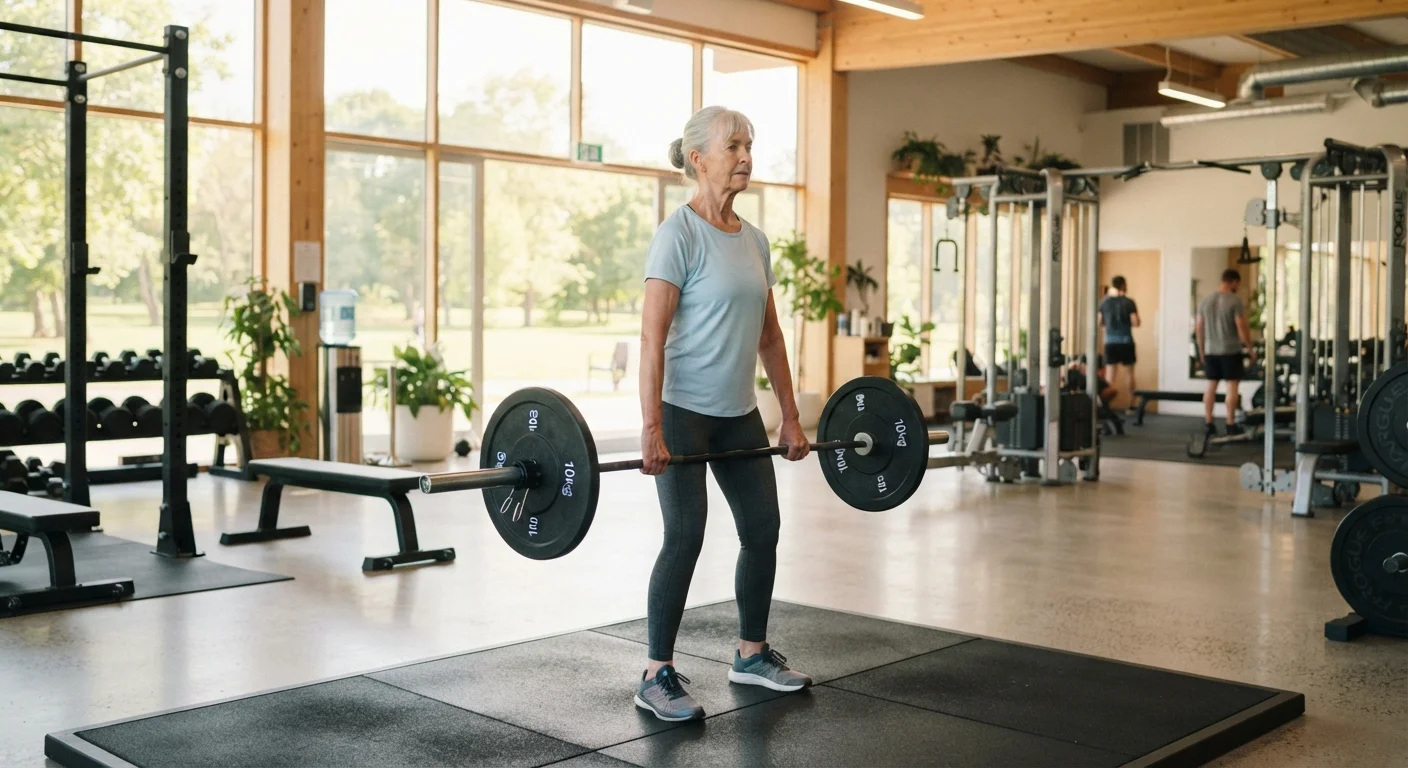
Age-related muscle loss — known as sarcopenia — begins gradually in the 30s and accelerates after 60. Maintaining muscle mass supports metabolic health, bone density, and the physical independence needed for daily function. Multiple large cohort studies link regular strength training to reduced all-cause mortality risk.
Accumulate moderate-intensity aerobic activity consistently
Cardiovascular fitness — particularly as measured by VO2 max — is one of the strongest predictors of longevity in research literature. Moderate-intensity aerobic exercise supports heart health, metabolic function, and brain health without the injury risk associated with sustained high-intensity training.
Include balance and mobility work in your weekly routine
Falls are a leading cause of injury and loss of independence among older adults. Regular balance training and flexibility work help maintain the neuromuscular control and range of motion needed to move safely as you age. These are often the first training elements dropped — and among the most consequential to keep.
Build consistency over years rather than chasing short-term intensity
Longitudinal studies consistently show that the people with the best health outcomes in later life are those who maintained moderate activity across decades, not those who trained hardest in any single period. Sustainable habits outperform peak effort followed by dropout.
Treat physical activity as a non-negotiable daily default
Research in behavioral science suggests that people who frame exercise as a scheduled, identity-level habit — rather than an optional task — are more likely to sustain it long-term. The physical benefits of movement compound over time, making the habit infrastructure itself a longevity asset.
Where to Start Without Overwhelming Yourself
Many people assume longevity training requires an elaborate, all-or-nothing approach. The research doesn't support that. Small, consistent habits compound meaningfully over years. The habits that matter most in your current decade will shift — as explored in longevity habits across every life stage.
If you have an existing condition, are pregnant, or are returning to exercise after a long gap, work with a healthcare provider or certified exercise specialist to build a plan that fits your situation safely.
The Bigger Picture: Movement Is One Piece
Physical training is among the most powerful tools for extending healthspan — but it doesn't operate in isolation. Sleep quality, nutrition, stress management, and the role of social connection in longevity all interact with how your body responds to exercise over time.
What you do in your 50s also has a long reach. Research increasingly suggests that movement habits established in midlife shape functional capacity well into later decades — a topic covered in depth in how movement habits in your 50s shape your 70s.
The evidence doesn't demand perfection — it rewards persistence. Choosing sustainable practices you can maintain across years, rather than extreme programs you abandon in months, is itself one of the most well-supported longevity strategies in the literature.