
What Sets These Two Approaches Apart
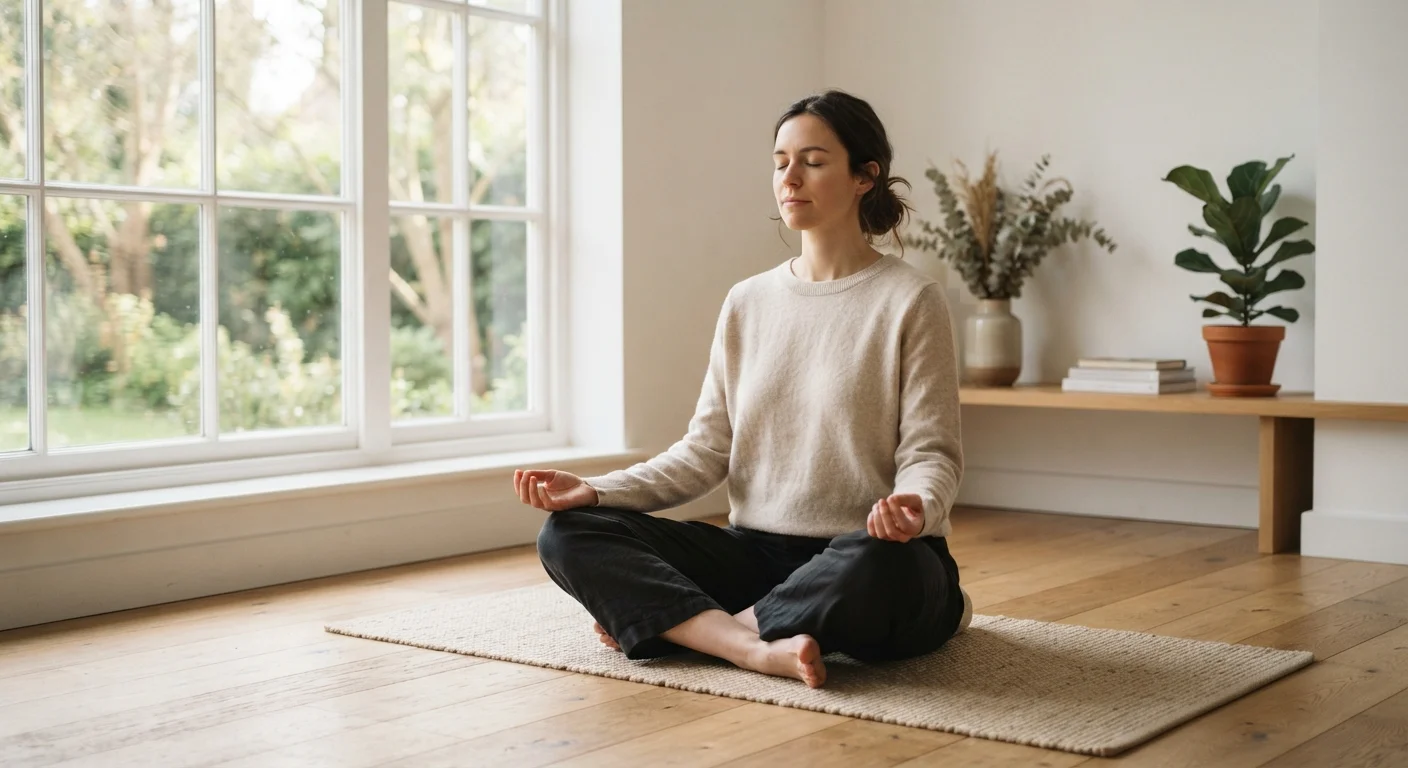
When most people hear the word "mindfulness," they picture someone sitting cross-legged with eyes closed. That image captures formal practice — a deliberate, time-set activity done for its own sake. Common examples include seated breath meditation, body scan exercises, loving-kindness meditation, and gentle mindful movement like yoga or tai chi.
Informal practice, by contrast, asks no special posture or schedule. It means bringing conscious, non-judgmental attention to whatever you're already doing — brushing your teeth, eating lunch, or listening to a colleague. The activity isn't meditation; the quality of attention you bring to it is. To understand the broader concept underlying both, see what mindfulness actually means.
The distinction matters because many people abandon mindfulness believing they've failed at sitting meditation — not realizing a second door was always open.
| Criterion | Formal Practice | Informal Practice |
|---|---|---|
| Structure | Dedicated time, specific technique | Woven into existing activities |
| Common examples | Seated meditation, body scan | Mindful eating, attentive walking |
| Time required | Set aside separately | No extra time needed |
| Learning curve | Clear framework, easier to track | Flexible but easy to forget |
| Best context | Building foundational skills | Sustaining awareness in daily life |
| Research support | Extensively studied in clinical settings | Less isolated in research, but integral to most programs |
How Each One Works on the Mind
Formal practice functions like a workout for attention. By repeatedly returning focus to a chosen anchor — typically the breath — you strengthen the brain's capacity to notice when the mind has wandered and redirect it without self-criticism. Neuroscience research has linked regular formal meditation to changes in brain regions associated with self-regulation and stress reactivity, though researchers caution that study quality varies and effects differ across individuals.
Informal practice acts more like physical therapy integrated into daily movement. Instead of isolating attention training to a session, you apply what you've practiced in real time — noticing the warmth of water while washing dishes, or feeling your feet on the floor during a stressful meeting. This transfer from cushion to life is where many practitioners find the most practical emotional payoff.
Importantly, both approaches share the same core instruction: notice what's happening right now, without layering judgment on top of it. The vehicle changes; the destination does not. If you've heard that mindfulness requires hours of daily silence or a perfectly quiet mind, common mindfulness myths are worth examining.
Choosing a Starting Point — and Combining Both
There's no universal rule about which type to begin with. That said, formal practice tends to provide a clearer learning structure for beginners — five to ten minutes of guided breath awareness gives the mind something concrete to work with. Many teachers recommend establishing at least a brief formal practice before relying heavily on informal moments, because the skills developed in formal sessions translate naturally into daily life.
That doesn't mean informal practice is secondary. For people managing full schedules, parenting demands, or irregular routines, informal mindfulness may be the only consistent anchor available — and that's genuinely valuable. Consistency matters more than session length, and a mindful minute repeated daily likely outperforms an hour done once a week.
Most experienced practitioners eventually blend both: a morning meditation grounds their attention, while informal moments throughout the day keep that attention active. If you want a structured clinical framework that formalizes this combination, Mindfulness-Based Stress Reduction offers one well-researched model.
Wherever you begin, regularly evaluating whether your practice is working helps you adjust before frustration sets in.
This article is for general informational and educational purposes only and does not constitute medical or mental health advice. If you're experiencing significant emotional distress or mental health concerns, please reach out to a qualified healthcare professional.