What Mindfulness Actually Means
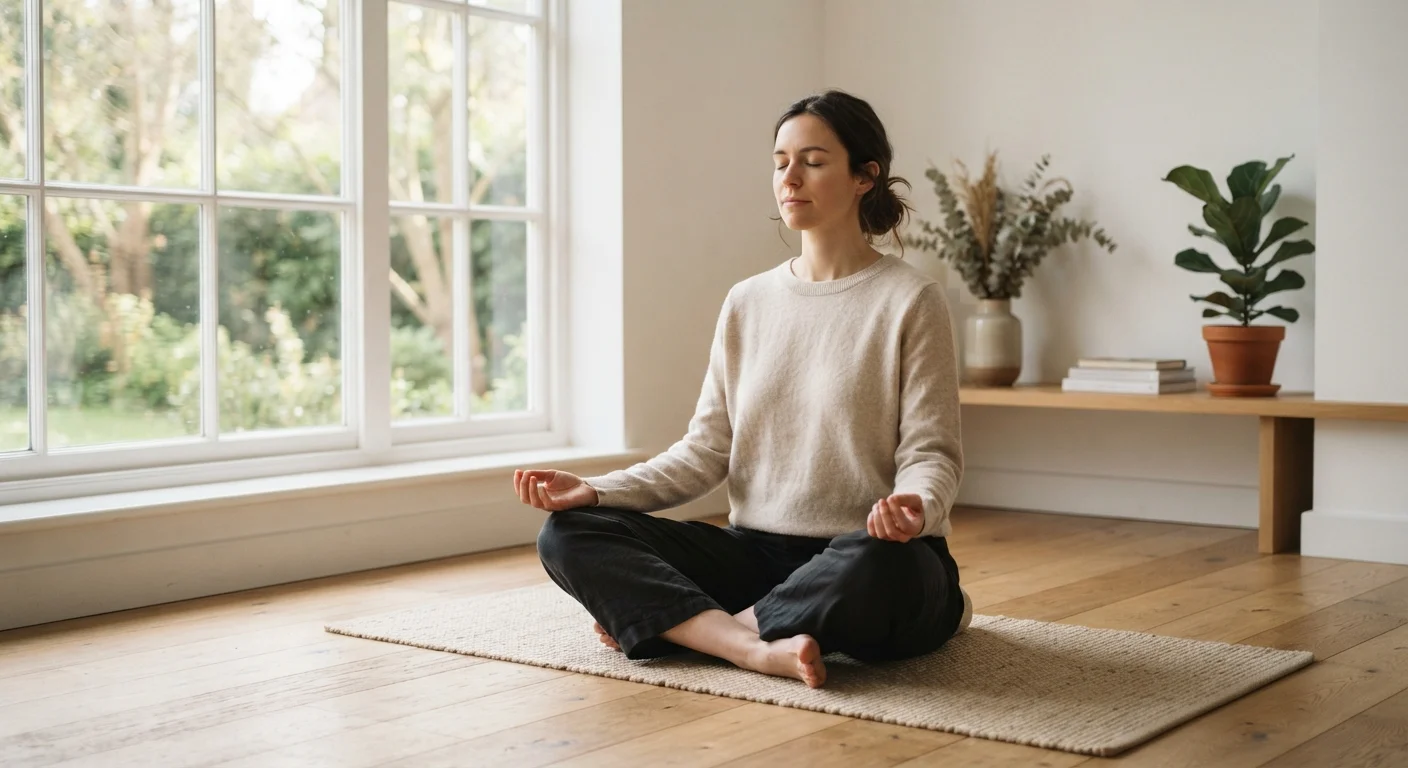
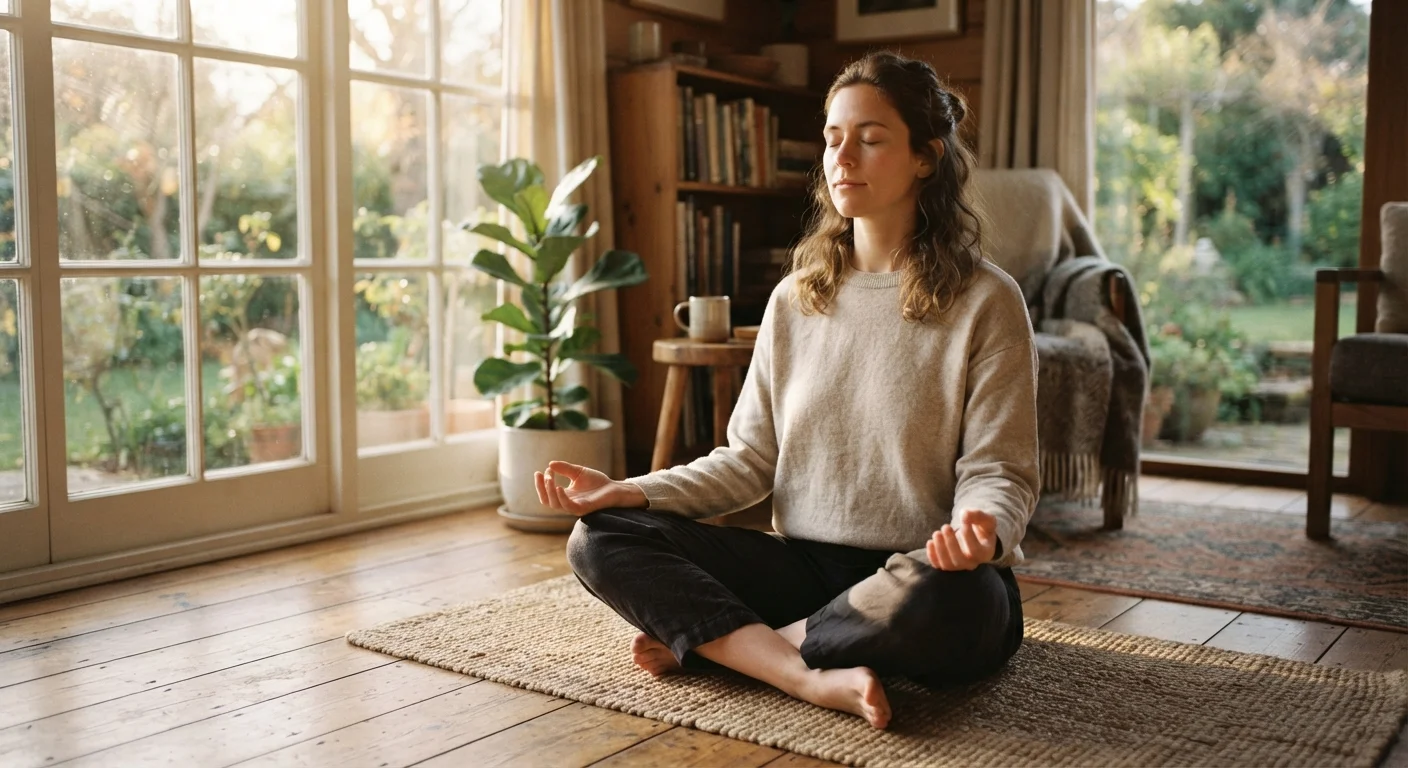
The word mindfulness gets used constantly — in wellness apps, workplace programs, and doctor's offices — yet it often goes undefined. At its core, mindfulness means paying deliberate, non-judgmental attention to what is happening right now: your thoughts, physical sensations, emotions, and surroundings, without trying to immediately fix or escape them.
Rooted in Buddhist contemplative traditions and adapted for secular Western contexts largely through the work of researchers like Jon Kabat-Zinn in the 1970s, mindfulness has since been studied extensively in clinical and community settings. Today it is recognized as a skill that can be cultivated — not a personality trait you either have or don't.
Mindfulness is distinct from relaxation, though the two sometimes overlap. You can be mindfully aware of tension or discomfort without necessarily feeling relaxed. The goal is honest, open awareness — not a blank mind or a permanent state of calm.
How Mindfulness Affects Mood
Mood — the background emotional tone that colors your day — is shaped by a complex mix of biology, behavior, social context, and how you interpret your experiences. Mindfulness can influence several of these levers simultaneously.
One of the most important pathways is cognitive defusion: the ability to observe a thought as just a thought rather than an unquestionable truth. When you notice "I'm feeling hopeless" as a mental event rather than a fact, you create a small but meaningful gap between the feeling and your reaction to it. That gap is where emotional choice lives. This is closely tied to emotional regulation, the broader skill of managing how you respond to difficult feelings.
Mindfulness also tends to interrupt rumination — the mental habit of replaying upsetting events or catastrophizing about the future. Rumination is strongly associated with low mood and anxiety. By redirecting attention to the present, mindfulness can gently break that cycle.
Start with just two minutes of breath-focused attention per day. Consistency matters far more than duration, especially in the first few weeks of building a new habit.
Research on habit formation suggests that small, achievable commitments are far more likely to become sustainable routines than ambitious goals that get abandoned under real-life pressure.
Practice mindfulness at the same time each day — right after waking, during a lunch break, or before bed — to anchor it to an existing routine rather than relying on motivation.
Habit stacking, linking a new behavior to an established one, is one of the most evidence-supported strategies for building lasting behavioral change.
The Science Behind the Connection
A substantial body of peer-reviewed research supports the relationship between mindfulness practice and mood-related outcomes. Mindfulness-Based Stress Reduction (MBSR) and Mindfulness-Based Cognitive Therapy (MBCT) — two structured programs developed for clinical populations — have been studied in randomized controlled trials and show meaningful effects on symptoms of depression, anxiety, and perceived stress.
Neuroimaging research has found that consistent mindfulness practice is associated with changes in brain regions involved in emotional processing, including the amygdala (which flags perceived threats) and the prefrontal cortex (which moderates reactive responses). These findings are promising, though researchers emphasize that the field is still evolving and effect sizes vary considerably across studies.
Understanding how mood shifts throughout the day can also help you identify when mindfulness practice might be most effective for your individual rhythms.
~30%
Reduction in depression relapse risk
Meta-analyses of Mindfulness-Based Cognitive Therapy (MBCT) trials suggest it can reduce relapse rates in people with recurrent depression compared to usual care alone.
8 weeks
Duration of standard MBSR program
The Mindfulness-Based Stress Reduction program developed by Jon Kabat-Zinn at UMass Medical School runs for eight weeks and remains one of the most researched mindfulness interventions.
14%
U.S. adults practicing meditation
According to the National Health Interview Survey, the share of U.S. adults reporting meditation practice has grown substantially over the past decade.
Practical Mindfulness Tools for Everyday Life
Formal meditation — sitting quietly and focusing on the breath for a set period — is the most studied form of mindfulness, but it is far from the only entry point. Everyday Americans juggling work, family, and limited time often find informal practices more sustainable.
- Breath awareness: Pausing to take three slow, deliberate breaths before responding to a stressful email or conversation is a genuinely useful micro-practice. Controlled breathing exercises activate the parasympathetic nervous system, shifting the body away from a stress response.
- Body scan: A brief mental check-in where you notice physical sensations from head to toe — without trying to change them — builds the habit of present-moment awareness.
- Mindful observation: Spending 60 seconds fully attending to one sensory experience — the taste of coffee, the sound of rain — trains the same attentional muscle as formal meditation.
- Journaling: Written reflection is a powerful companion to mindfulness. Journaling for mood awareness can help you notice emotional patterns that are easy to miss in the rush of daily life.
For those ready to explore a structured approach, mindfulness meditation for stress offers a realistic starting framework that doesn't require hours of daily practice.
Common Misconceptions and Realistic Expectations
Perhaps the biggest barrier to starting a mindfulness practice is the belief that you're doing it wrong. Most people expect a quiet mind; instead, they get a noisy one. This is normal. Noticing that your mind has wandered and gently returning attention is the practice — not a sign of failure.
It's also worth being honest about what mindfulness can and cannot do. Research suggests it supports mood regulation and stress resilience over time, but it is not a rapid cure for emotional distress, and it is not a substitute for professional mental health treatment when that level of care is needed. Mindfulness works best as one component of a broader approach to well-being that may also include sleep, movement, social connection, and, when appropriate, professional support. A holistic lifestyle — including balanced nutrition — also plays a meaningful role in supporting mood.
Progress in mindfulness tends to be gradual and non-linear. Researchers generally suggest that consistent practice over weeks to months is associated with more durable benefits than sporadic intense sessions.
When to Seek Additional Support
Mindfulness is a valuable self-care skill, but some emotional experiences require more than a self-directed practice. If you are experiencing persistent low mood lasting more than two weeks, significant anxiety that interferes with daily functioning, or thoughts of self-harm, please reach out to a qualified mental health professional. Your primary care provider is a good starting point if you are unsure where to begin.
For broader context on the stress-mood relationship, this comprehensive guide to stress and anxiety covers the biology and evidence-based coping tools that complement a mindfulness practice.
Mental wellness is not a destination — it's an ongoing, personal process. Mindfulness offers a practical, evidence-informed tool for the journey, one small moment of awareness at a time.
This article is for general informational and educational purposes only and does not constitute medical or mental health advice. Always consult a qualified healthcare professional regarding any personal health concerns or before making changes to your mental health care.