Why Mindfulness Works for Stress
Stress is your nervous system's alarm response — useful in genuine emergencies, but exhausting when it fires constantly over emails, deadlines, and everyday friction. Mindfulness meditation works by training your attention to rest in the present moment rather than cycling through worry about the future or rumination about the past.
Research published in peer-reviewed journals, including work associated with the widely studied Mindfulness-Based Stress Reduction program, suggests that regular mindfulness practice can reduce the subjective experience of stress, lower cortisol levels (the body's primary stress hormone), and support healthier emotional regulation over time.
Importantly, mindfulness doesn't ask you to feel calm immediately. It asks you to notice what you're feeling — with curiosity rather than judgment. That shift in stance, from reacting to observing, is where the real benefit lives. To explore the broader landscape of techniques, see how different mindfulness approaches address stress.
This Is General Information, Not Medical Advice
Mindfulness meditation is a well-studied wellness tool, but it is not a substitute for professional mental health care. If you are experiencing significant anxiety, depression, trauma, or other mental health concerns, please speak with a qualified healthcare provider before relying solely on self-guided practices.
What You Need Before You Begin
One of the most encouraging facts about mindfulness is how little setup it requires. You don't need a meditation cushion, a quiet mountain retreat, or a paid app. What genuinely helps is a modest set of conditions that make consistency easier.
What you will need
Once these basics are in place, you're ready to begin. The Mindfulness & Mood hub offers additional context on how consistent practice supports emotional well-being over time.
Your First Mindfulness Session: Step by Step
The following steps walk you through a foundational breath-awareness meditation — one of the most researched and accessible entry points into mindfulness practice. Follow the sequence at your own pace, and remember that there is no perfect session.
Set a short, realistic timer
Start with just five minutes. Research and experienced teachers alike consistently recommend shorter, sustainable sessions over ambitious ones that get abandoned. Set your timer, then put your phone face-down to remove visual distractions.
Settle into your body
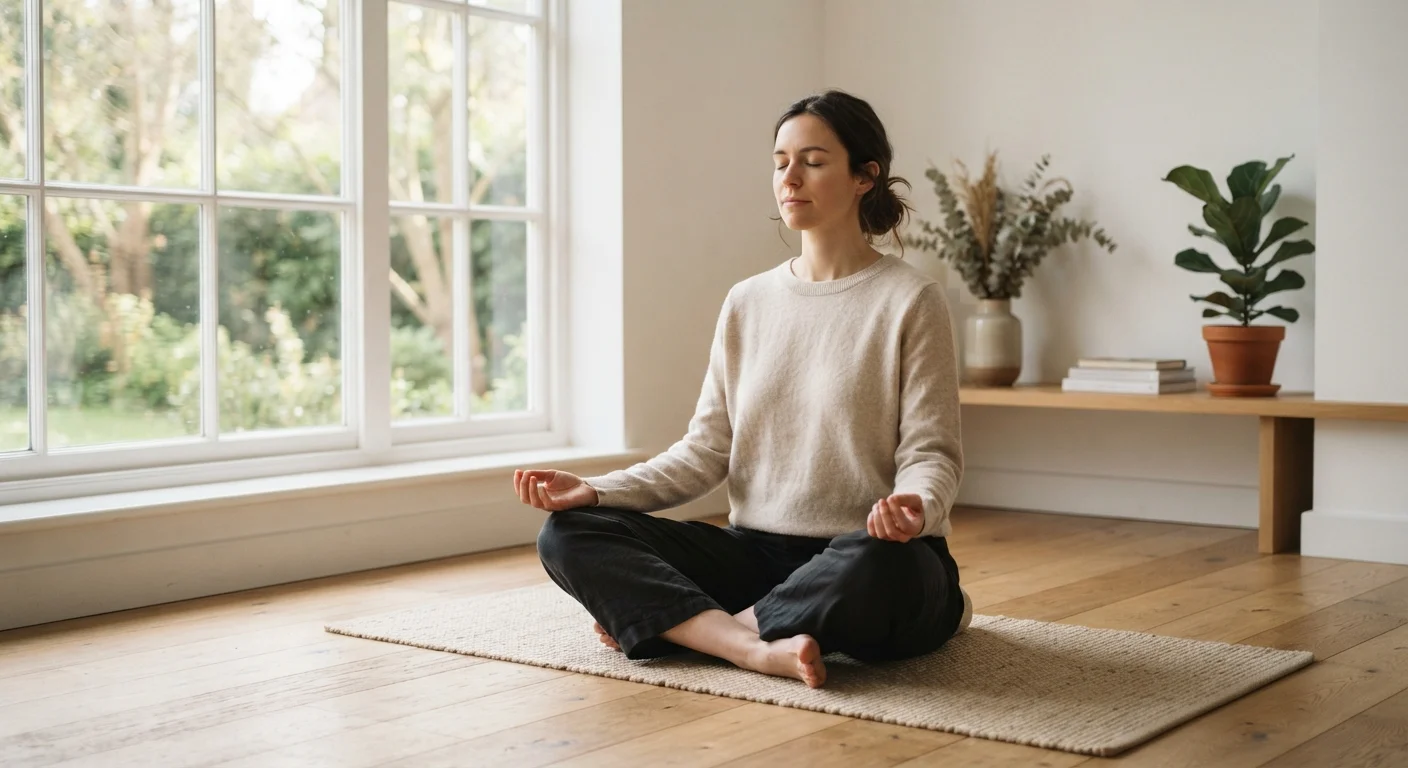
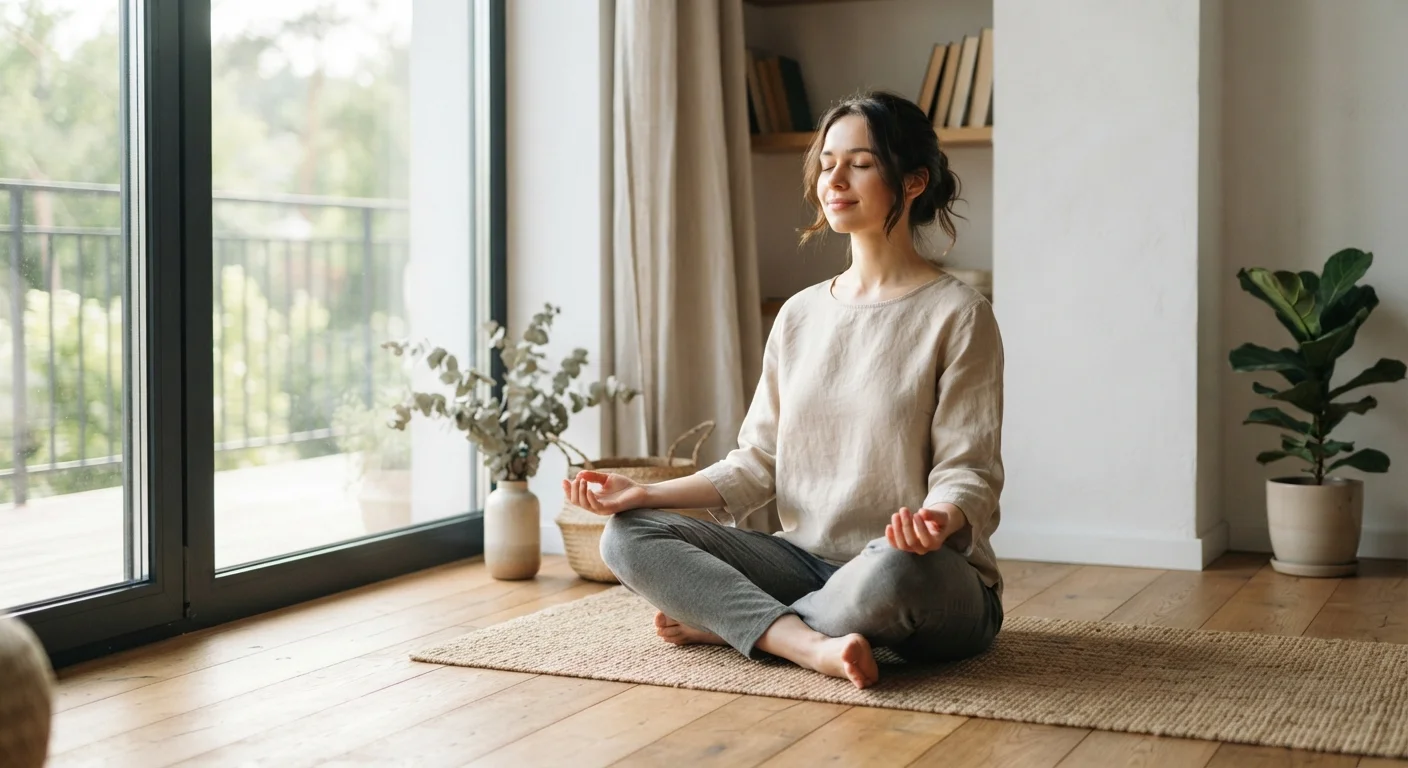
Sit in a position you can hold comfortably. Rest your hands on your thighs or in your lap. Gently close your eyes, or soften your gaze downward at a point on the floor about two feet ahead of you. Take two or three slow, natural breaths to signal to your nervous system that it's safe to settle.
Anchor your attention to your breath
Bring your attention to the physical sensation of breathing — the rise and fall of your chest or belly, the slight coolness of air entering your nostrils, the warmth as it leaves. You're not trying to control your breath; just notice it as it naturally occurs.
Notice when your mind wanders — then return
Within moments, your mind will likely drift to a to-do list, a recent conversation, or a worry about something upcoming. This is completely normal and expected. When you notice you've drifted, gently label it internally — thinking — and return your attention to the breath. No frustration required; this noticing and returning is the core skill you're building.
Close the session with intention
When your timer sounds, don't rush to stand up. Take one final slow breath, then gently open your eyes. Spend fifteen to thirty seconds noticing how you feel in your body and mind before moving on. This brief pause helps you carry some of the session's calm into the next activity.
Building a Habit That Lasts
A single session is a start, but the stress-reducing benefits of mindfulness accumulate with repetition. Research generally points to consistency — practicing regularly, even briefly — as a stronger predictor of benefit than occasional long sessions.
Try anchoring your practice to an existing daily routine: right after your morning coffee, before you open your work laptop, or during a lunch break. Keeping the time short at first (five to ten minutes) lowers the barrier to showing up on days when motivation is low.
Expect distraction. Your mind will wander — that's not failure, it's literally the point. Each time you notice your attention has drifted and gently return it to your breath, you're doing exactly what the practice asks of you. Over days and weeks, that redirection becomes more natural, and the mental space it creates tends to follow you off the cushion and into daily life.
This article is for general informational and educational purposes only and does not constitute medical advice. Always consult a qualified healthcare professional for guidance specific to your health situation.