
What Happens at a Comprehensive Adult Physical
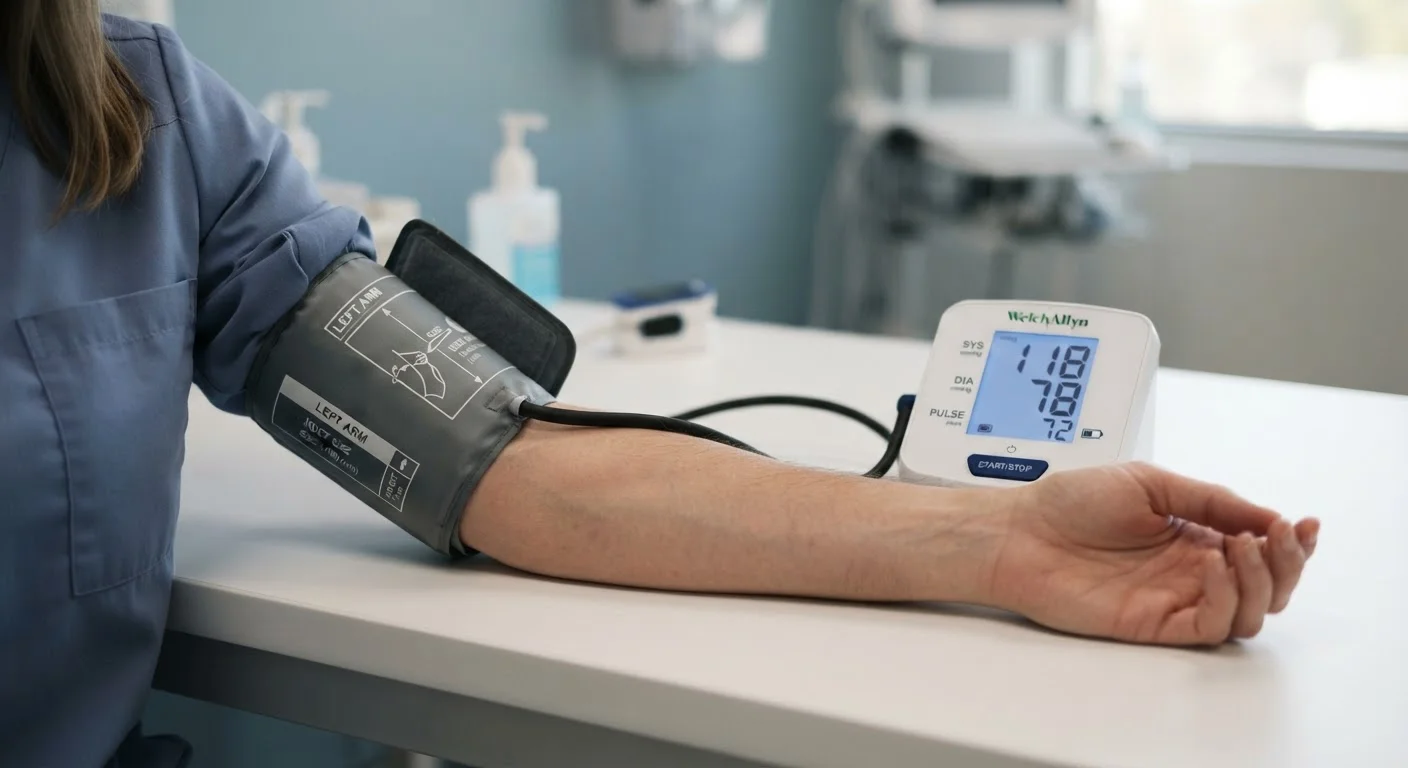
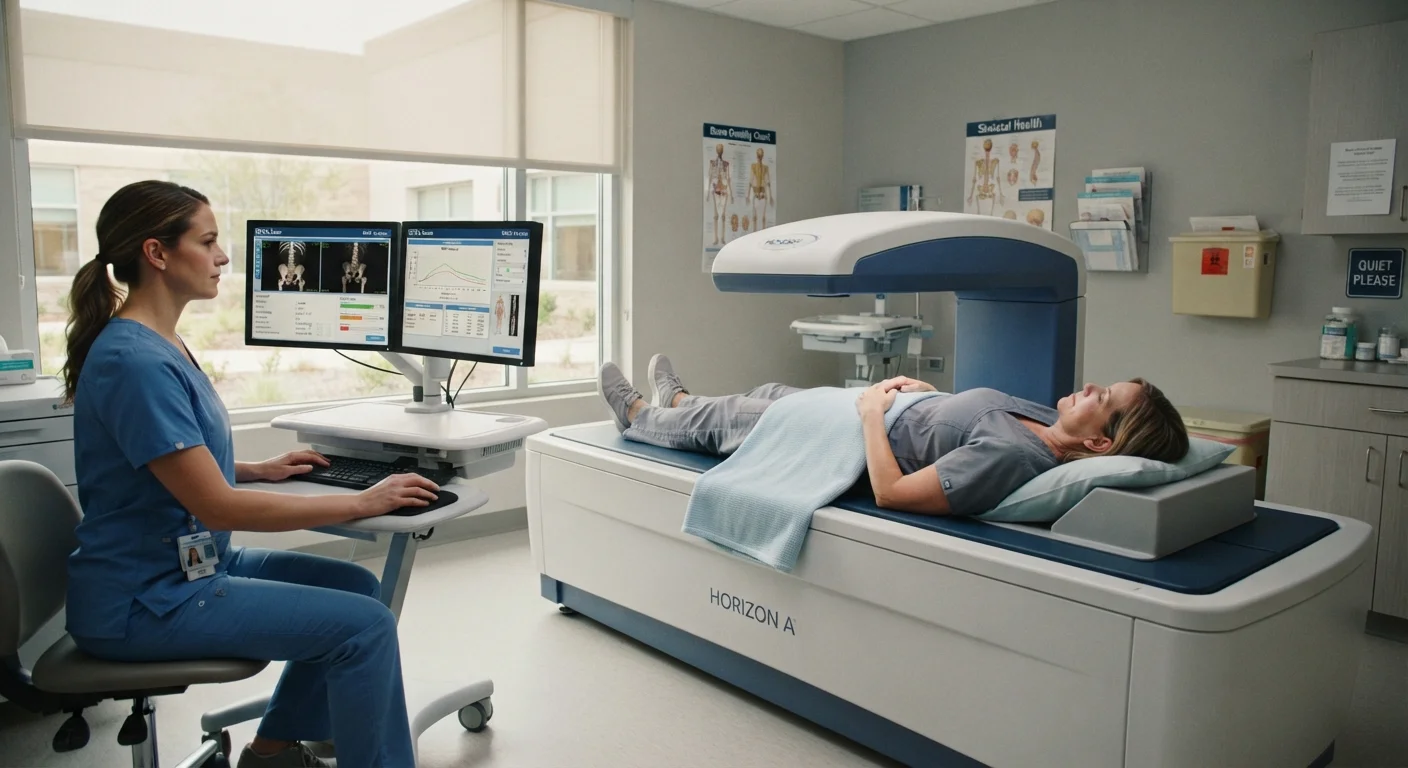
A standard comprehensive physical typically includes a review of your medical and family history, measurement of vital signs (blood pressure, heart rate, height, weight, and BMI — or BMI), and a physical examination of major body systems. Depending on your age, sex, and risk profile, your provider may order blood work, a urinalysis, or specific screenings aligned with U.S. Preventive Services Task Force (USPSTF) guidelines.
For adults visiting a primary care provider for the first time, this appointment also establishes the patient-provider relationship and creates the baseline against which future changes are measured. Understanding body composition concepts can deepen what you take away from these measurements — see getting started with understanding your body composition for a plain-language primer.
Medication and supplement list
Provides your provider with a complete picture of everything you're currently taking to avoid interactions and assess lab results accurately.
Insurance card and photo ID
Required for registration and billing at virtually all healthcare facilities.
Previous medical records or lab results
Establishes a health baseline and prevents redundant testing.
Written list of symptoms and questions
Ensures you address your most important concerns within a typically brief appointment window.
Family health history notes
Helps your provider assess inherited risk and prioritize appropriate preventive screenings.
How to Prepare Before the Day of Your Visit
Most of the work in preparing for a physical happens in the days leading up to it, not in the waiting room. The steps below walk you through the key actions — from confirming logistics to organizing your health history — so you can make the most of the time your provider has available.
What you will need
Confirm logistics and fasting requirements
Call or message the provider's office a few days before your appointment to confirm start time, location, parking, and any pre-visit instructions. Ask specifically whether blood work is planned — if so, you may need to fast for 8–12 hours beforehand. Clarify whether you should take your usual medications the morning of the visit, since some require temporary adjustment before certain lab panels.
Gather your medical records and insurance documents
Bring your insurance card and a government-issued photo ID. If you've seen other providers recently — specialists, urgent care, or previous primary care physicians — request that relevant records, vaccination history, and prior lab results be sent ahead, or bring printed copies. Having this on hand prevents duplicate testing and gives your new provider an accurate clinical baseline. See our annual checkup preparation checklist for a complete document inventory.
Document your current medications and supplements
Create a written list of every prescription medication, over-the-counter drug, vitamin, and herbal supplement you take regularly — including dose and frequency. Many supplements interact with medications or affect lab values, and providers need the full picture. If you take medications at varying times, note that too. Bringing the original bottles is an alternative that works equally well.
Note your symptoms, concerns, and health goals
Before the appointment, spend a few minutes writing down any symptoms you've noticed — even vague ones like fatigue, joint aches, or sleep changes — along with how long they've been present. Also jot down preventive goals: weight management, cholesterol monitoring, stress reduction. A physical is an opportunity to align on health priorities, not just to address acute complaints. For context on what the visit typically covers, see why annual physicals are more than a formality.
Know your family health history
Providers use family history to assess your individual risk for conditions like heart disease, diabetes, certain cancers, and autoimmune disorders. Before your visit, ask relatives about significant diagnoses and the age at which they occurred — particularly for first-degree relatives (parents, siblings, children). You don't need to be exhaustive, but knowing the major conditions helps your provider determine which screenings to prioritize. For a full breakdown of age-based screening milestones, consult our complete preventive screening guide for adults.
Be ready to discuss lifestyle honestly
Your provider will likely ask about diet, physical activity, sleep, alcohol consumption, tobacco or substance use, stress levels, and sexual health. These questions support accurate risk assessment — not judgment. Honest answers enable targeted, practical guidance and help your provider identify preventable risk factors early. If you're also working on a new fitness routine, a related resource like preparing for your first gym session offers complementary context on physical readiness.
Write Your Questions Down the Night Before
It's easy to forget concerns once you're in the exam room. Keeping a running list on your phone or a notepad in the weeks leading up to your appointment means you'll arrive prepared. Prioritize your top two or three concerns so the most important topics get addressed if time is short.
This article is for informational purposes only and is not a substitute for personalized medical advice. Always consult a qualified healthcare professional regarding your individual health needs, symptoms, or questions about screenings and preventive care.