Why a Number With No Symptoms Matters So Much
Most people associate illness with how they feel. Blood pressure breaks that rule entirely. According to the CDC, nearly half of American adults have hypertension, yet many are unaware of it because the condition produces no pain, no fatigue, and no obvious warning signs at typical elevations. Over time, however, uncontrolled high blood pressure stresses arterial walls, forces the heart to work harder, and damages organs that depend on steady, regulated blood flow — including the kidneys and brain.
The consequences compound silently. Stroke, heart attack, heart failure, and chronic kidney disease are all strongly linked to sustained hypertension. This is why blood pressure screening is one of the few preventive interventions with near-universal clinical consensus behind it — the measurement costs nothing, takes under two minutes, and can redirect a person's health trajectory years before a cardiac event would otherwise occur.
As part of a broader preventive framework, blood pressure results don't stand alone. They inform cardiovascular risk alongside cholesterol and blood sugar levels. See our breakdown of cholesterol testing and our guide to diabetes screening for how these readings work together.
Understanding the Two Numbers
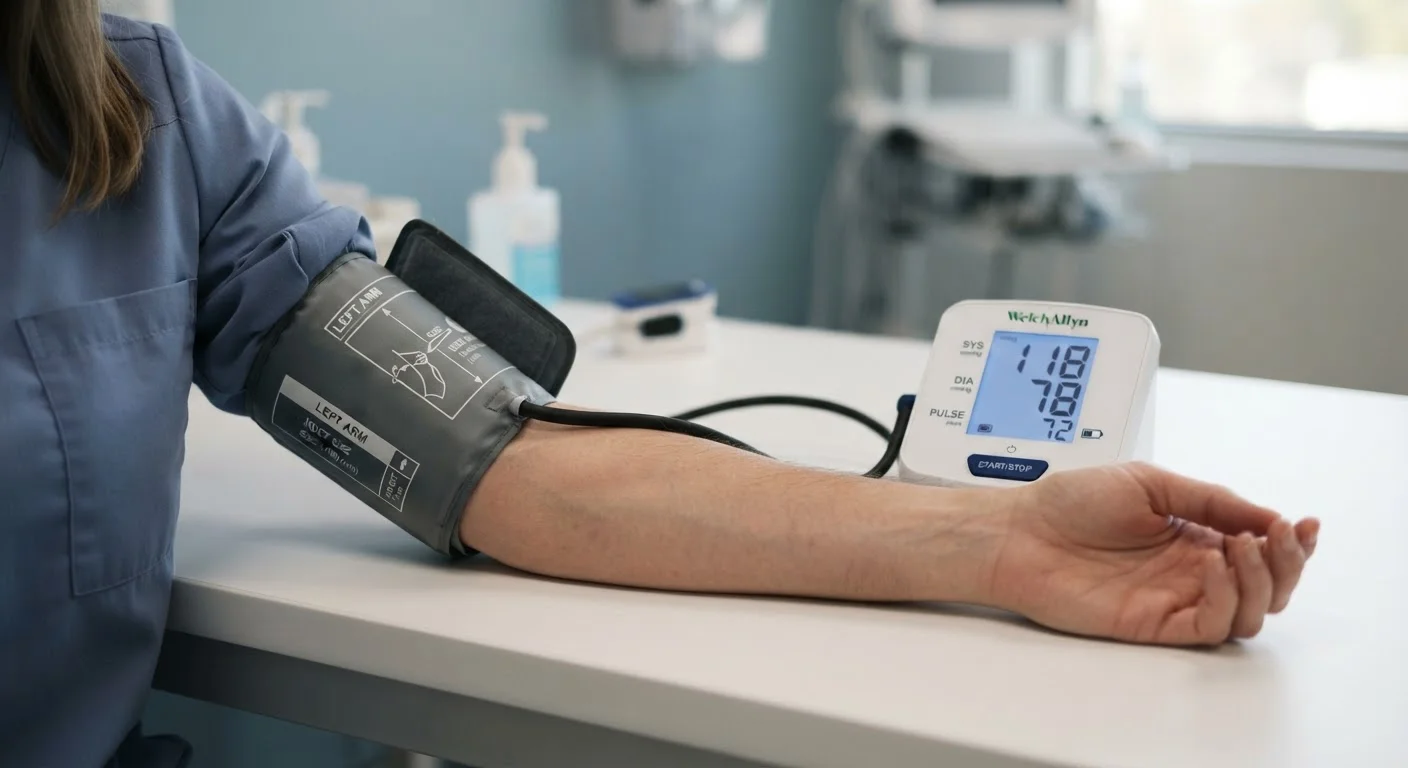
A blood pressure reading is written as a fraction: systolic pressure over diastolic pressure. Systolic reflects the peak force in your arteries when the heart contracts. Diastolic reflects the baseline pressure when the heart rests between beats. Both numbers carry clinical weight.
- Normal: Below 120/80 mmHg
- Elevated: 120–129 systolic, less than 80 diastolic
- Stage 1 hypertension: 130–139/80–89 mmHg
- Stage 2 hypertension: 140/90 mmHg or higher
- Hypertensive crisis: Above 180/120 mmHg — requires immediate medical evaluation
A single high reading is not a diagnosis. Temporary spikes can result from stress, caffeine, exertion, or anxiety about the measurement itself (a phenomenon called white coat hypertension). Clinicians typically confirm a hypertension diagnosis with multiple readings taken on separate occasions, sometimes supplemented by home monitoring over days or weeks.
~47%
U.S. adults with hypertension
According to the CDC, nearly half of American adults have high blood pressure, yet many remain undiagnosed.
1 in 4
Adults with hypertension who have it under control
The CDC estimates only about 1 in 4 adults with hypertension have their condition well managed.
130/80 mmHg
Current hypertension threshold
The ACC/AHA revised the diagnostic threshold for hypertension from 140/90 to 130/80 mmHg in 2017 guidelines.
How Often Should You Be Screened — and Who Decides?
The U.S. Preventive Services Task Force (USPSTF) recommends blood pressure screening for all adults 18 and older. The recommended frequency depends on current readings and individual risk factors:
- Normal readings (below 120/80 mmHg): At least every two years
- Elevated or borderline readings: Annually or more frequently as directed by a clinician
- Confirmed hypertension or high cardiovascular risk: Per provider guidance, which may mean monitoring at every visit or at home between appointments
Age is a key factor: blood pressure tends to rise with age as arteries naturally stiffen. Adults over 40 face higher baseline risk. But younger adults are not exempt — hypertension is increasingly common in people in their 20s and 30s, particularly those with obesity, a family history of cardiovascular disease, or high-sodium diets. Our guide to screenings often skipped by adults under 40 explores why delaying can be risky even when you feel healthy.
Blood pressure screening is also a standard component of routine physical exams. If you're not sure when you were last checked, that's a strong signal to schedule one. Annual physicals are one of the most consistent opportunities to get this reading on record.
What Shapes Your Reading — and What You Can Do
Blood pressure is not fixed. It fluctuates throughout the day and responds to a range of modifiable lifestyle factors. Evidence from multiple large clinical trials supports the following approaches as meaningful contributors to blood pressure management:
- Sodium reduction: Dietary sodium is one of the most well-studied levers. The DASH (Dietary Approaches to Stop Hypertension) eating pattern, which emphasizes fruits, vegetables, whole grains, and low-fat dairy while limiting sodium and saturated fat, has demonstrated clinically significant reductions in blood pressure in research settings.
- Physical activity: Regular aerobic exercise — such as brisk walking, cycling, or swimming — is associated with meaningful blood pressure reductions in people with hypertension.
- Weight management: Excess body weight increases cardiovascular strain; even modest reductions in weight have been associated with measurable blood pressure improvements.
- Alcohol moderation: Heavy alcohol use is linked to elevated blood pressure. Limiting consumption is a widely supported recommendation.
- Stress and sleep: Chronic psychological stress and poor sleep quality both influence blood pressure regulation, though evidence for specific interventions is less uniform.
These approaches do not replace medication when it's clinically indicated, and individual response varies. A healthcare provider can help determine which combination is appropriate based on a person's full clinical picture. For a broader look at where blood pressure screening fits in adult preventive care, see the complete preventive screening guide for adults.
This article is for general informational and educational purposes only and does not constitute medical advice. Always consult a qualified healthcare professional for guidance on your personal health, including blood pressure management and screening frequency.