
Why Preventive Screenings Matter
Preventive screenings are medical tests performed on people who show no symptoms, with the goal of detecting disease — or risk factors for disease — before they cause harm. The core principle is straightforward: conditions caught early are generally easier to treat and carry better outcomes. The U.S. Preventive Services Task Force (USPSTF), an independent panel of national experts, evaluates evidence and issues graded recommendations that form the backbone of clinical screening practice in the United States.
Despite wide availability, screenings are frequently skipped. Cost, lack of awareness, and the perception that asymptomatic means healthy all contribute to delays. Understanding which tests apply to you — and when — removes the guesswork and positions you to have informed conversations with your provider. This guide organizes that information by universality, age, sex, and individual risk.
This article is for general health education and is not a substitute for personalized medical advice. Always consult a qualified healthcare professional for guidance specific to your health situation.
Universal Screenings: Every Adult Needs These
Certain screenings apply broadly across age groups and are considered foundational to adult preventive care.
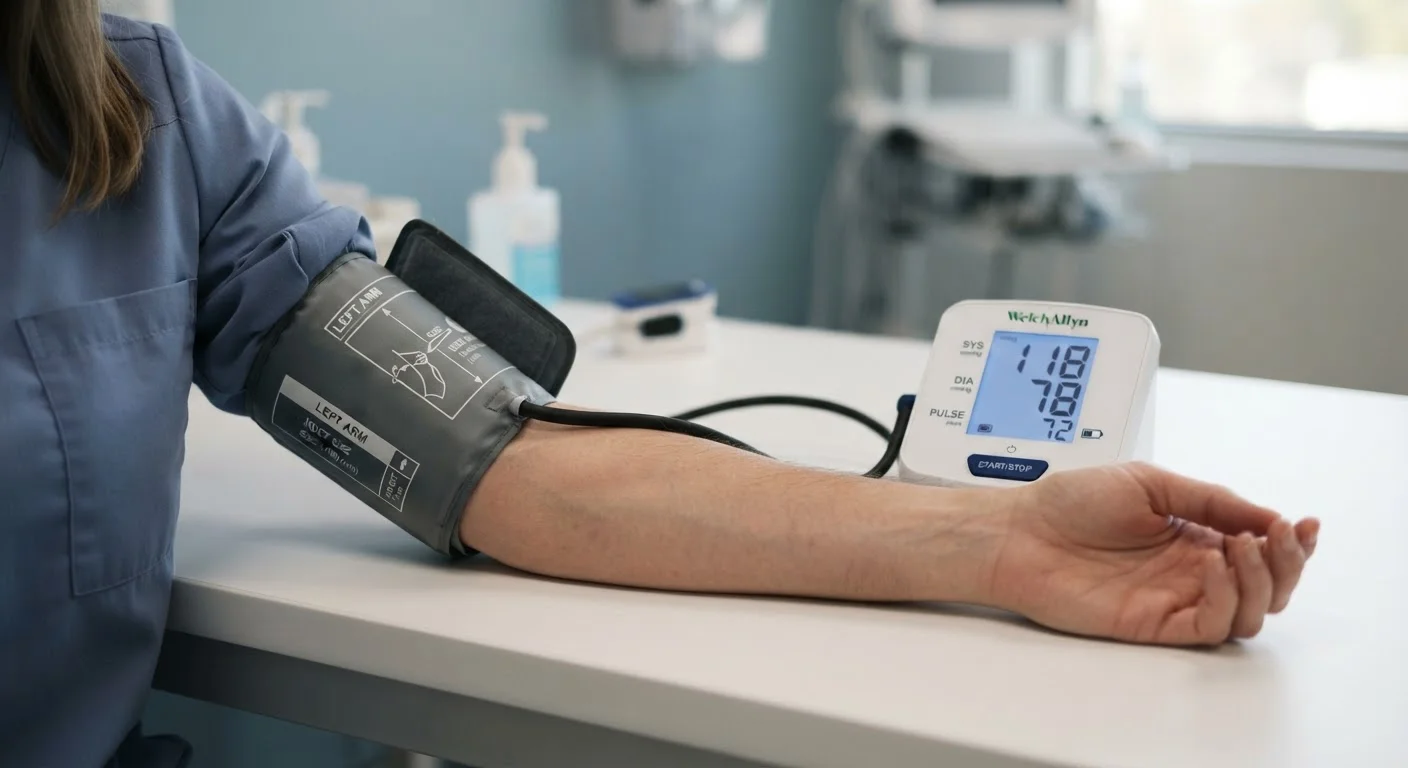
- Blood pressure: Hypertension affects roughly 1 in 3 U.S. adults and is largely asymptomatic. The USPSTF recommends screening for adults 18 and older, with annual checks for those at elevated risk. Normal is below 120/80 mmHg.
- Cholesterol (lipid panel): Screening typically begins around age 35 for men and 45 for women without risk factors, though earlier testing is recommended for those with diabetes, a family history of early heart disease, or obesity.
- Blood glucose / prediabetes: The USPSTF recommends blood sugar screening for adults aged 35–70 who are overweight or obese. See our deeper resource on diabetes screening for how fasting glucose and A1C tests work.
- Depression: The USPSTF recommends screening all adults for depression in primary care settings, where follow-up care is available.
- BMI and obesity counseling: Clinicians routinely assess body mass index (BMI) as part of cardiovascular and metabolic risk evaluation.
Bring a written list of your current medications, supplements, and any first-degree family diagnoses to every annual visit — it gives your provider the context needed to adjust screening timelines on the spot.
Family history and medication use are among the most common factors that shift standard USPSTF timelines, yet they are frequently undisclosed during routine visits due to time pressure.
Don't wait for a referral to ask about a screening — if you believe you meet the criteria based on age or risk, proactively request the test during a routine appointment.
Research consistently shows that patient-initiated conversations about preventive care increase screening completion rates, particularly for cancer screenings in underserved populations.
Age-Based Screening Milestones
Screening recommendations shift as cumulative risk increases with age. The following milestones reflect USPSTF guidance and major clinical society consensus.
Ages 21–39
- Cervical cancer (Pap smear): Begins at age 21, recommended every 3 years through age 65, or every 5 years combined with HPV testing starting at 30.
- Sexually transmitted infections: Chlamydia and gonorrhea screening is recommended for sexually active women under 25, and for older women at increased risk. HIV screening is recommended at least once for all adults aged 15–65.
Younger adults often underestimate their screening needs — for a fuller picture, see screenings commonly skipped by adults under 40.
Ages 40–49
- Breast cancer: The USPSTF updated its guidance to recommend biennial mammography beginning at age 40 for women at average risk.
- Prediabetes and type 2 diabetes: Screening begins at 35 for those who are overweight or obese.
Ages 50–75
- Colorectal cancer: Colonoscopy every 10 years, or annual high-sensitivity stool tests, are the most common approaches. Screening begins at 45 per current USPSTF guidance.
- Lung cancer: Annual low-dose CT scan for adults aged 50–80 who have a 20 pack-year smoking history and currently smoke or quit within the past 15 years.
Ages 60 and older
- Bone density (DEXA scan): Recommended for women aged 65 and older, and for younger postmenopausal women at elevated fracture risk.
- Abdominal aortic aneurysm: One-time ultrasound screening for men aged 65–75 who have ever smoked.
Sex-Specific Screenings to Know
Some screenings apply specifically based on anatomy and hormonal factors. These are not exhaustive clinical protocols — your provider will tailor recommendations to your individual history.
For people assigned female at birth
- Cervical cancer screening (Pap smear and HPV co-testing) follows a defined schedule from age 21 to 65.
- Mammography is now recommended starting at 40, with shared decision-making encouraged for women in their 40s.
- Osteoporosis screening via DEXA scan typically starts at 65, earlier for those with risk factors such as low body weight or corticosteroid use.
For people assigned male at birth
- Prostate cancer screening (PSA test) is not universally recommended; the USPSTF advises shared decision-making for men aged 55–69 with their provider rather than routine screening.
- Abdominal aortic aneurysm ultrasound is recommended once for male smokers aged 65–75.
- Testicular self-exams are not formally recommended by USPSTF but may be discussed during routine primary care visits.
Risk-Based Screenings: When Standard Timelines Shift
Standard age-based timelines assume average population risk. For many adults, individual factors move screening start dates earlier or increase frequency. Key risk factors that modify recommendations include:
- Family history: First-degree relatives with colorectal, breast, or ovarian cancer typically shift the recommended screening start to 10 years before the age at which the relative was diagnosed, or to a specified earlier age per clinical guidelines.
- Smoking history: Triggers early lung cancer screening and elevates cardiovascular risk assessment priority.
- Obesity: Associated with earlier diabetes, hypertension, and certain cancer screenings.
- Chronic conditions: Adults with diabetes, hypertension, or autoimmune conditions often follow accelerated or condition-specific monitoring schedules set by their specialist or primary care team.
Building healthy daily habits — including a science-backed framework for daily prevention — is one evidence-supported way to reduce modifiable risk factors that might otherwise move your screening timeline earlier. Nutrition also plays a role; balanced eating for life covers how diet intersects with long-term disease risk.
How to Track and Organize Your Screening History
A personal health record — even a simple spreadsheet or notes app — can help you and your provider identify gaps and recognize trends in results over time. Include the date of each test, the result or reference range, and any follow-up actions taken.
- Patient portals: Most health systems now offer online portals where past lab results, visit notes, and referrals are stored digitally. Requesting access is typically straightforward through your provider's front desk or website.
- Annual wellness visits: Under the Affordable Care Act, most adults with insurance coverage are entitled to an annual preventive visit at no cost-share. This is the ideal time to review your full screening history and update any overdue tests.
- Bring a list: Before each appointment, write down all screenings completed in the past 12 months — including those done at other practices — so your provider has a complete picture.
Explore the Healthy Daily Habits hub for evidence-based guidance on the everyday behaviors that complement your screening schedule and reduce long-term disease risk.
This article is for informational purposes only and does not constitute medical advice. Consult your healthcare provider to determine which screenings are appropriate for your individual health history, age, and risk profile.