Why Sleep Myths Are Hard to Shake
Sleep is something everyone does, which may be exactly why so many misconceptions about it persist. Familiarity breeds confidence — and a lot of misinformation. The consequences of acting on faulty sleep beliefs are not trivial: chronic insufficient sleep is associated with elevated risks for cardiovascular disease, metabolic dysfunction, impaired immunity, and cognitive decline. Understanding what the evidence actually says is a meaningful step toward better health decisions.
For a deeper look at what happens to your brain during poor sleep, see our overview of the sleep-brain connection. Below, we address the most common sleep myths and what peer-reviewed research actually shows.
Common Sleep Myths — Corrected by Research
The following myth-and-fact pairs draw on findings from sleep medicine, chronobiology, and neuroscience. Where evidence is still evolving, that is noted explicitly.
Myth
You can catch up on lost sleep by sleeping in on the weekend.
Fact
Weekend recovery sleep reduces sleepiness but does not fully reverse the metabolic, cognitive, or immune costs of weekday sleep debt.
Studies from the University of Pennsylvania and other institutions have shown that after a period of sleep restriction, extended weekend sleep improves subjective alertness but leaves measurable deficits in attention, reaction time, and insulin sensitivity. Circadian disruption caused by shifting sleep timing — often called social jetlag — may add its own health costs on top of the original debt. The truth about sleeping in on weekends explores this topic in greater depth.
Myth
Adults need less sleep as they get older.
Fact
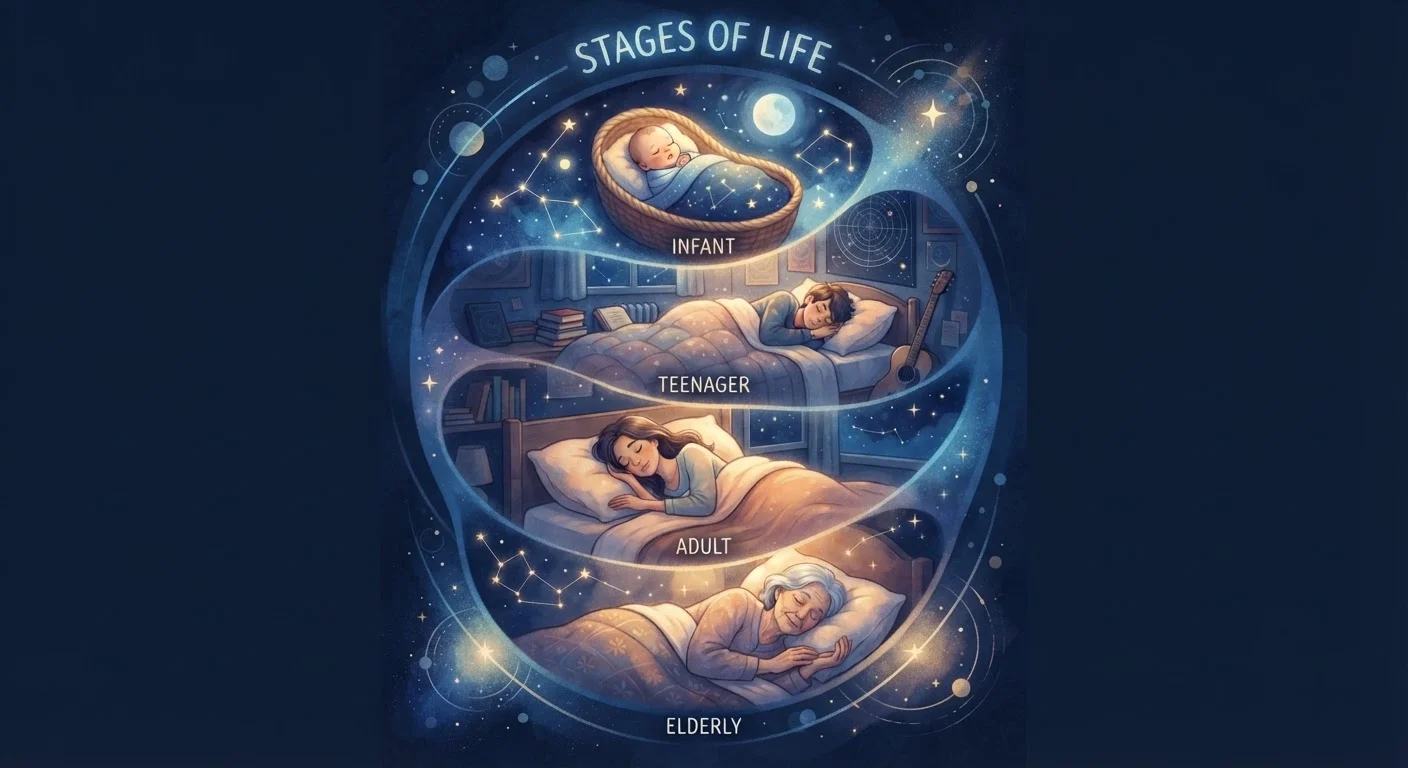
Sleep need does not substantially decrease with age; what changes is the ability to obtain deep, consolidated sleep.
The American Academy of Sleep Medicine recommends 7 or more hours per night for adults regardless of age. Older adults often report sleeping less, but this largely reflects changes in sleep architecture — reduced slow-wave (deep) sleep, more frequent nighttime awakenings, and earlier circadian timing — rather than a genuine reduction in biological need. Accepting poor sleep as a normal part of aging can delay appropriate evaluation and care.
Myth
A nightcap helps you sleep better.
Fact
Alcohol helps some people fall asleep faster but suppresses REM sleep and increases sleep fragmentation, reducing overall sleep quality.
Alcohol's sedative effect is real but short-lived. As the body metabolizes it, a rebound activation occurs in the second half of the night, fragmenting sleep and curtailing rapid eye movement (REM) sleep — the stage associated with memory consolidation, emotional regulation, and cognitive restoration. Even moderate alcohol consumption close to bedtime has been shown in polysomnography studies to measurably reduce sleep quality.
Myth
Snoring is annoying but essentially harmless.
Fact
Habitual snoring can be a symptom of obstructive sleep apnea, a condition associated with serious cardiovascular and metabolic health risks.
Obstructive sleep apnea (OSA) — in which the airway repeatedly collapses during sleep, briefly stopping breathing — affects an estimated 10–30% of adults in the U.S. to varying degrees, according to epidemiological estimates. OSA is linked to elevated risks for hypertension, stroke, type 2 diabetes, and daytime impairment. It is also substantially underdiagnosed. Loud, chronic snoring, especially accompanied by gasping or daytime sleepiness, warrants a conversation with a healthcare provider.
Myth
Your body adapts to running on less sleep over time.
Fact
People become less aware of their own impairment with chronic sleep restriction, but objective performance deficits persist and accumulate.
Research by sleep scientist David Dinges and colleagues demonstrated that participants restricted to 6 hours per night for two weeks showed cognitive performance equivalent to two full nights of total sleep deprivation — yet they reported feeling only slightly sleepy. This disconnect between perceived and actual impairment is one reason chronic short sleep is a public safety concern. The brain's ability to self-assess degrades alongside the functions it is assessing.
Myth
Everyone needs exactly 8 hours of sleep.
Fact
Most adults need 7–9 hours, but individual variation is real and genetically influenced; the right amount is the one that leaves you alert and functional without caffeine.
The 8-hour figure is a population-level guideline, not a universal prescription. Rare variants in genes such as DEC2 allow a small number of people to function well on 6 hours or fewer — but these short sleepers are genuinely rare, and most people who believe they fall into this category are simply habituated to impairment. For the majority of adults, the 7–9 hour range endorsed by major sleep medicine organizations reflects genuine biological need. See which sleep rules researchers actually dispute for nuance on this topic.
What These Myths Have in Common
Most persistent sleep myths share a root cause: they make a plausible-sounding but overly simplified assumption — that the body adapts effortlessly, that lost sleep is a minor inconvenience, or that cultural habits like weekend lie-ins are biologically neutral. The research consistently challenges all three assumptions.
1 in 3
U.S. adults not getting enough sleep
According to CDC surveillance data, approximately one-third of American adults regularly sleep fewer than 7 hours per night.
~50%
OSA cases estimated to be undiagnosed
Epidemiological research suggests roughly half of obstructive sleep apnea cases in adults remain undetected and untreated.
2 weeks
Time to reach peak impairment from 6-hour nights
Controlled laboratory studies show that 14 nights of 6-hour sleep produces cognitive deficits equivalent to 48 hours of total sleep deprivation.
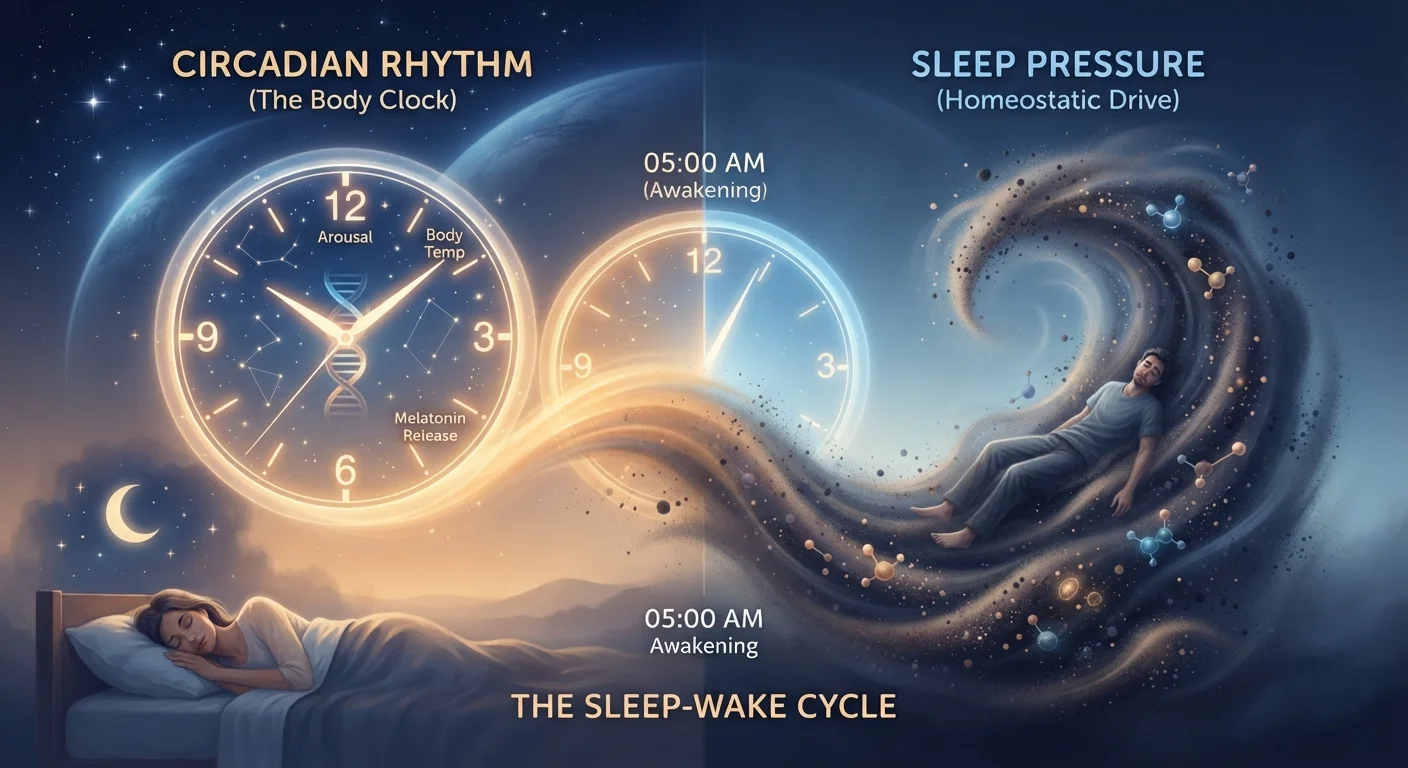
Consistency matters as much as duration. Research published in sleep science journals suggests that irregular sleep timing disrupts circadian rhythms — the body's internal 24-hour clock — in ways that affect metabolism, mood, and cognitive performance independently of how many hours are logged. For more on how regularity shapes long-term outcomes, see why consistent sleep may be the most underrated longevity tool.
If you are experiencing persistent difficulty sleeping, loud snoring, or daytime fatigue that interferes with daily life, consult a qualified healthcare provider. These symptoms may warrant clinical evaluation. This article is general health information and does not constitute medical advice.
This article is for informational purposes only and is not a substitute for professional medical advice, diagnosis, or treatment. Always consult a qualified healthcare provider with questions about your health or sleep concerns.