Why Portioning Without Numbers Actually Works
Calorie counting can be a useful tool for some people, but it also introduces friction, requires sustained data entry, and may not reflect how real people eat across varied settings. Research in behavioral nutrition suggests that environmental cues — like plate size and food arrangement — shape how much we eat as powerfully as conscious decisions do. Visual portioning methods work by restructuring those cues rather than asking people to override them through willpower alone.
The plate method, originally developed as a practical diabetes education tool and now widely used in general nutrition guidance, translates macronutrient balance into a spatial ratio anyone can apply at a glance. It aligns broadly with established dietary guidance, including the USDA's MyPlate framework, without requiring calorie math. For a broader look at how these principles fit into long-term food patterns, see our guide to balanced eating for life.
The approach is not about perfection. It builds a mental template that makes nutritionally reasonable choices the default rather than a daily deliberate effort. Over time, that consistency matters more than any single meal's precise composition.
This Is General Nutrition Education
The portioning methods described here are educational tools for general healthy eating, not personalized medical or dietary advice. Individual nutritional needs vary based on age, health status, activity level, and other factors. If you have a diagnosed condition, are pregnant, or have specific dietary concerns, consult a registered dietitian or qualified healthcare provider before making significant changes to your eating pattern.
How to Build Your Plate: Step-by-Step
The steps below walk through the plate method and a complementary hand-based system that extends portioning awareness beyond home meals. Both approaches are practical tools — not rigid rules. Apply them as a starting framework and adjust based on your own hunger cues and how you feel after meals.
What you will need
9-inch dinner plate or salad plate
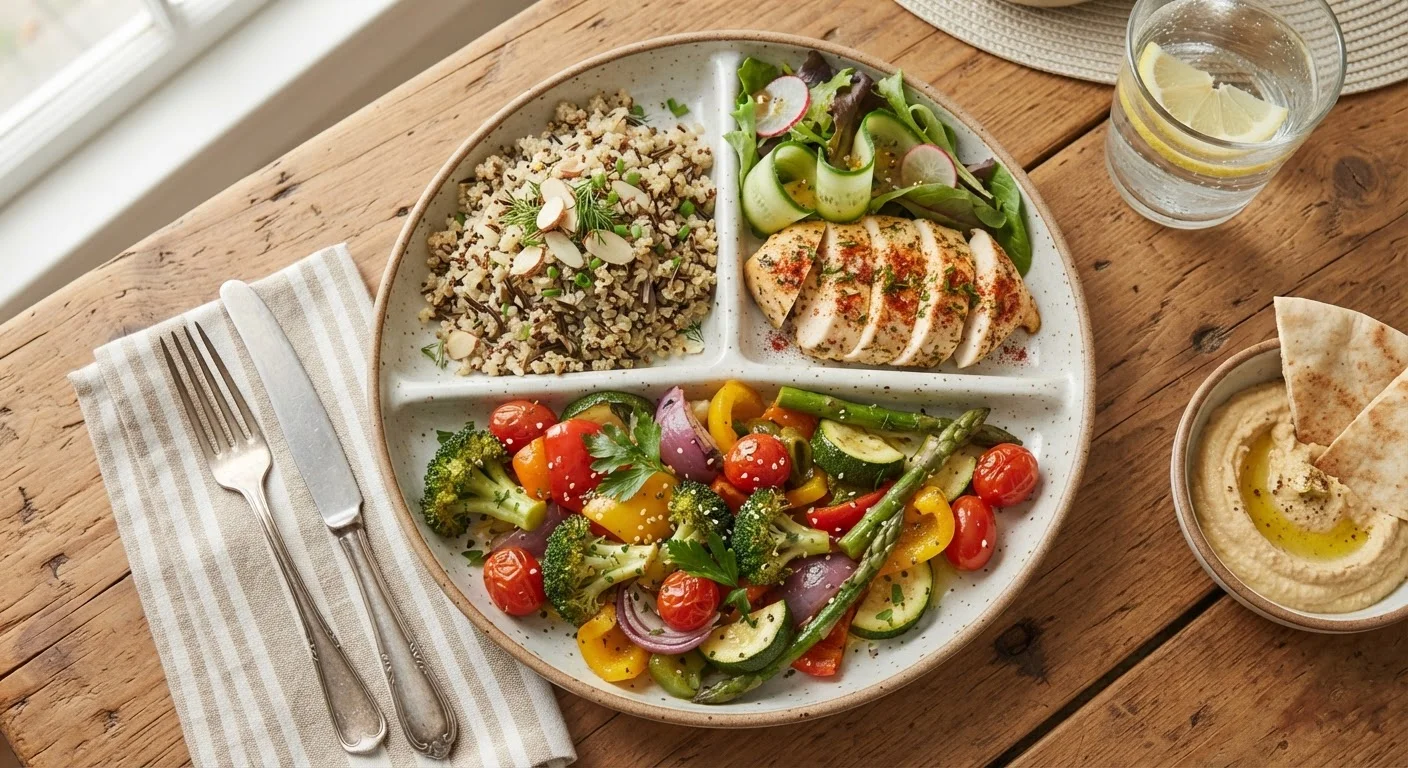
Provides a proportionate canvas for applying the half-vegetables, quarter-grains, quarter-protein visual model.
Your own hand
Serves as a portable, personalized portion reference for meals eaten away from home.
Measuring cups (occasional use)
Useful during an initial learning period to calibrate your visual estimates before relying on them independently.
Choose a Reasonably Sized Plate
Standard American dinner plates have grown considerably over the decades — many now measure 11–12 inches across. A 9-inch plate gives you a more proportionate canvas for a single meal. You don't need to purchase anything new; simply using a salad plate for main meals works well for most people.
Fill Half Your Plate With Vegetables and Fruit
The largest section of your plate should be non-starchy vegetables — think leafy greens, broccoli, peppers, cucumber, carrots, or tomatoes. These foods supply fiber, vitamins, minerals, and water volume that supports satiety without contributing large amounts of calories. Fruit can occupy part of this half, particularly at breakfast or as a side. Aim for variety in color across the week, as different pigments generally signal different beneficial plant compounds.
Reserve a Quarter for Whole Grains or Starchy Foods
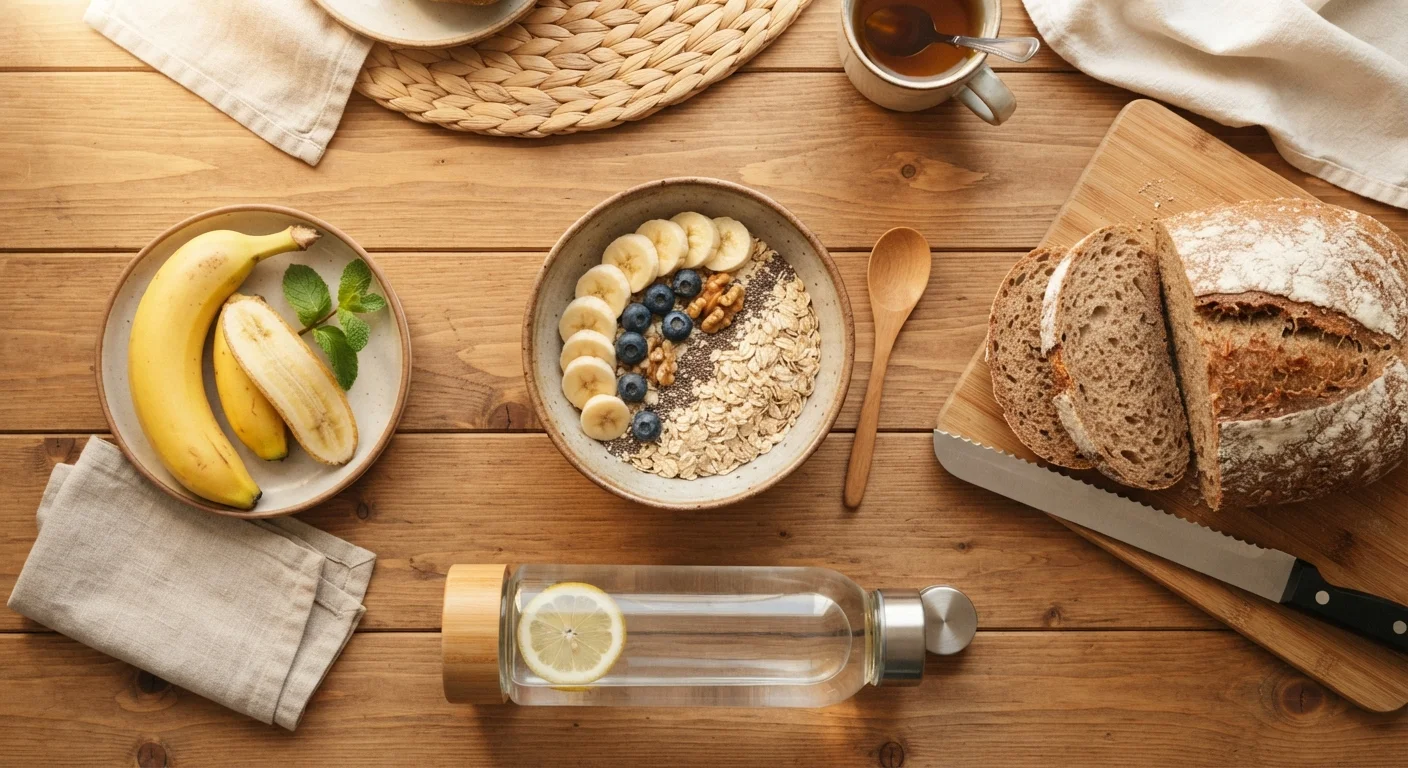
One quarter of the plate goes to energy-dense carbohydrate sources: whole grains like brown rice, quinoa, oats, or whole wheat bread; starchy vegetables like potatoes or corn; or legumes such as lentils and beans. Whole grain versions are generally preferable to refined options because they retain fiber and additional micronutrients. Legumes are particularly versatile — they count as both a carbohydrate source and a protein source.
Fill the Remaining Quarter With a Protein Source
The final quarter of the plate holds a protein-rich food. Options span a wide range: poultry, fish, eggs, lean beef or pork, tofu, tempeh, edamame, or dairy foods like cottage cheese and Greek yogurt. Plant-based proteins like beans and lentils can serve double duty here. Protein supports muscle maintenance, helps with satiety, and slows glucose absorption from the meal.
Use Your Hand as a Portable Portion Reference
When a plate isn't in front of you — at a restaurant, a buffet, or a potluck — your hand provides a scaled, always-available guide. A rough framework used in nutrition education: a fist approximates a serving of grains or starchy vegetables; a palm (excluding fingers) approximates a protein serving; a cupped hand approximates a serving of nuts or seeds; a thumb approximates a serving of fats like oils or nut butters. Because hands scale loosely with body size, this method naturally adjusts across individuals.
Add Healthy Fats in Modest Amounts
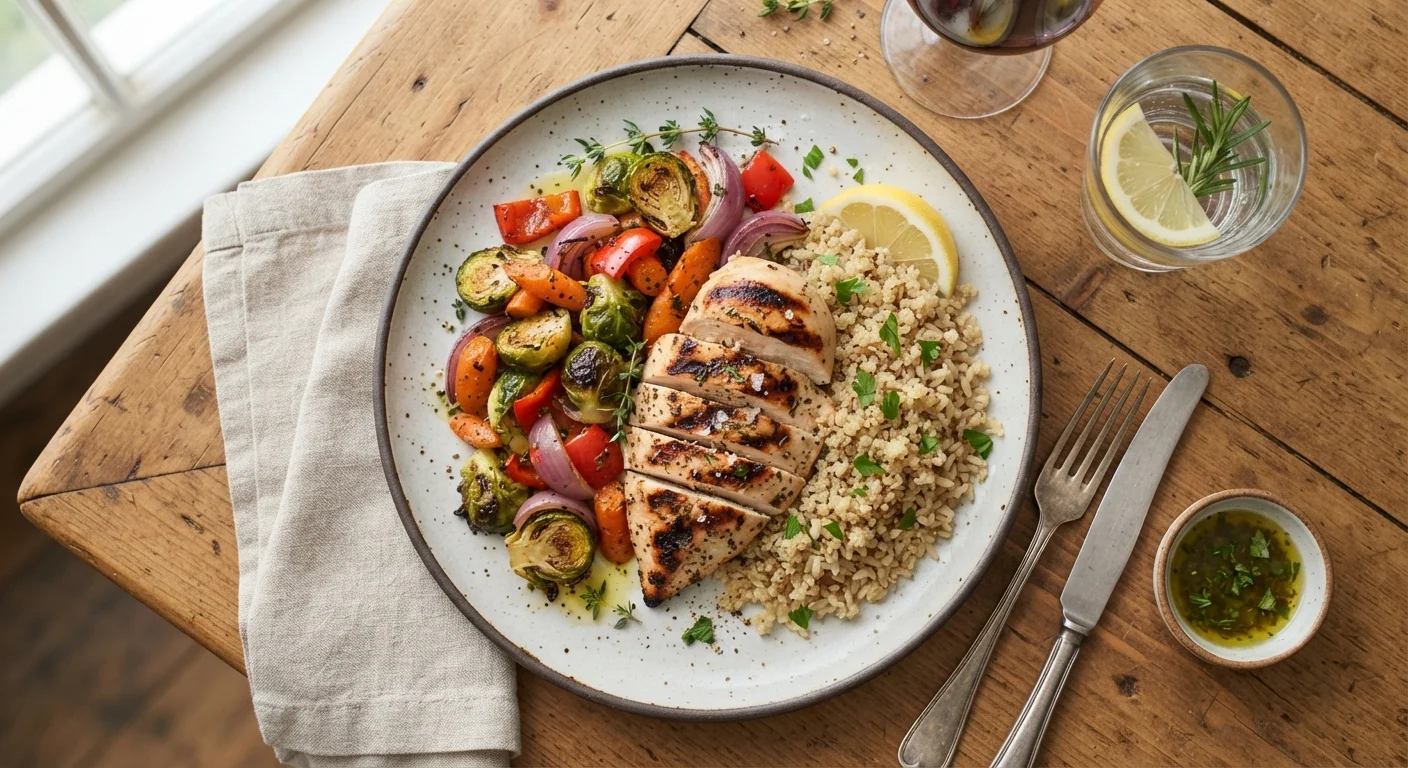
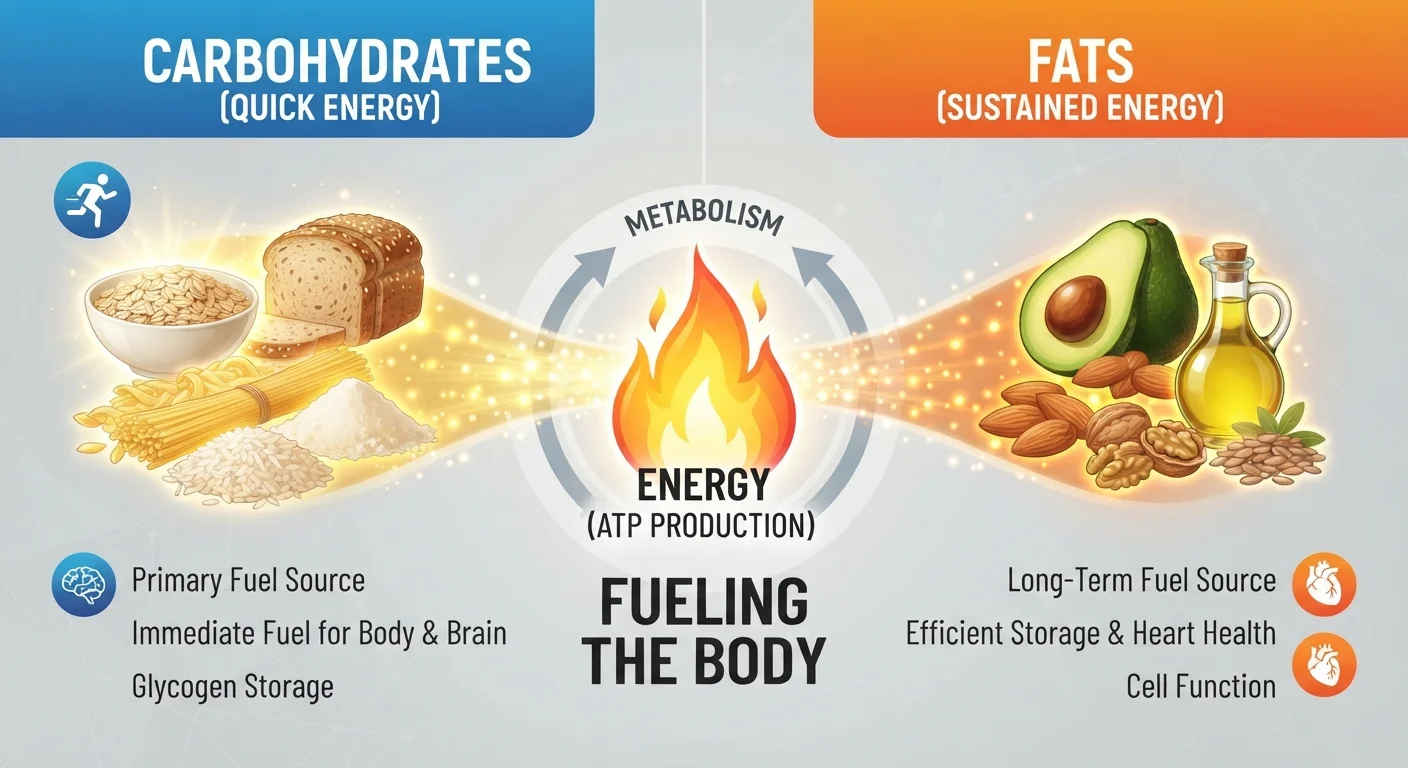
Fats don't occupy a dedicated plate section in the basic model, but they belong in the meal. Drizzling olive oil on roasted vegetables, adding avocado slices, or including a small handful of nuts or seeds rounds out the nutritional profile. Fats support fat-soluble vitamin absorption and contribute to meal satisfaction. The key is mindful inclusion rather than avoidance or excess.
Start With One Meal, Not Every Meal
Trying to overhaul every plate at once is a common early stumbling block. Choose one meal — often lunch or dinner — and practice the plate method there for a week before expanding to others. Small, consistent changes tend to stick better than sweeping overnight transformations.
If you're curious about how these plate ratios connect to broader macronutrient patterns across different dietary approaches, the article on macronutrient ratios across eating patterns offers useful context.
Applying This in Real Life
The plate model works cleanly for composed meals — a piece of fish, a grain side, and a vegetable. It takes more interpretation for mixed dishes like soups, stews, stir-fries, or grain bowls. For these, mentally estimate the ingredient proportions rather than requiring separate plate sections. A vegetable-heavy lentil soup with a side of whole grain bread can absolutely fit the same spirit of the method.
Eating out is another common challenge. Restaurant portions often far exceed a single-meal serving. Using the hand-based reference can help you decide how much of a restaurant dish to eat before the plate arrives. Splitting an entrée, requesting a to-go box upfront, or supplementing a large protein portion with a side salad are all practical adaptations.
For more on how macronutrient balance plays out across a full day of eating, balancing all three macros in a meal offers grounded, intuitive principles. And if you're weighing portioning against other food awareness strategies, mindful eating vs. calorie counting compares the evidence behind both approaches.
This article is for general informational and educational purposes only and does not constitute medical or dietary advice. Consult a qualified healthcare professional or registered dietitian for guidance tailored to your individual health needs.