
Why All Three Macros Belong at Every Meal
Macronutrients — carbohydrates, protein, and fat — are the three main categories of nutrients that supply the body with energy and the raw materials it needs to function. Most everyday meals naturally contain some of each, but the balance between them shapes how satisfying a meal feels, how steadily energy holds, and how well nutrients are absorbed.
If you're new to thinking about macros, a practical starting point for everyday eaters can help you build context before diving into balance. For those ready to go further, the principles below offer a meal-level framework grounded in how macronutrients actually interact — no spreadsheet required.
Each macronutrient plays a distinct, irreplaceable role. Removing or severely limiting one doesn't simplify your nutrition — it typically creates gaps that affect energy, hunger regulation, and overall dietary quality. The goal isn't a fixed ratio; it's understanding what each macro contributes so you can build meals that work.
What Each Macronutrient Actually Does
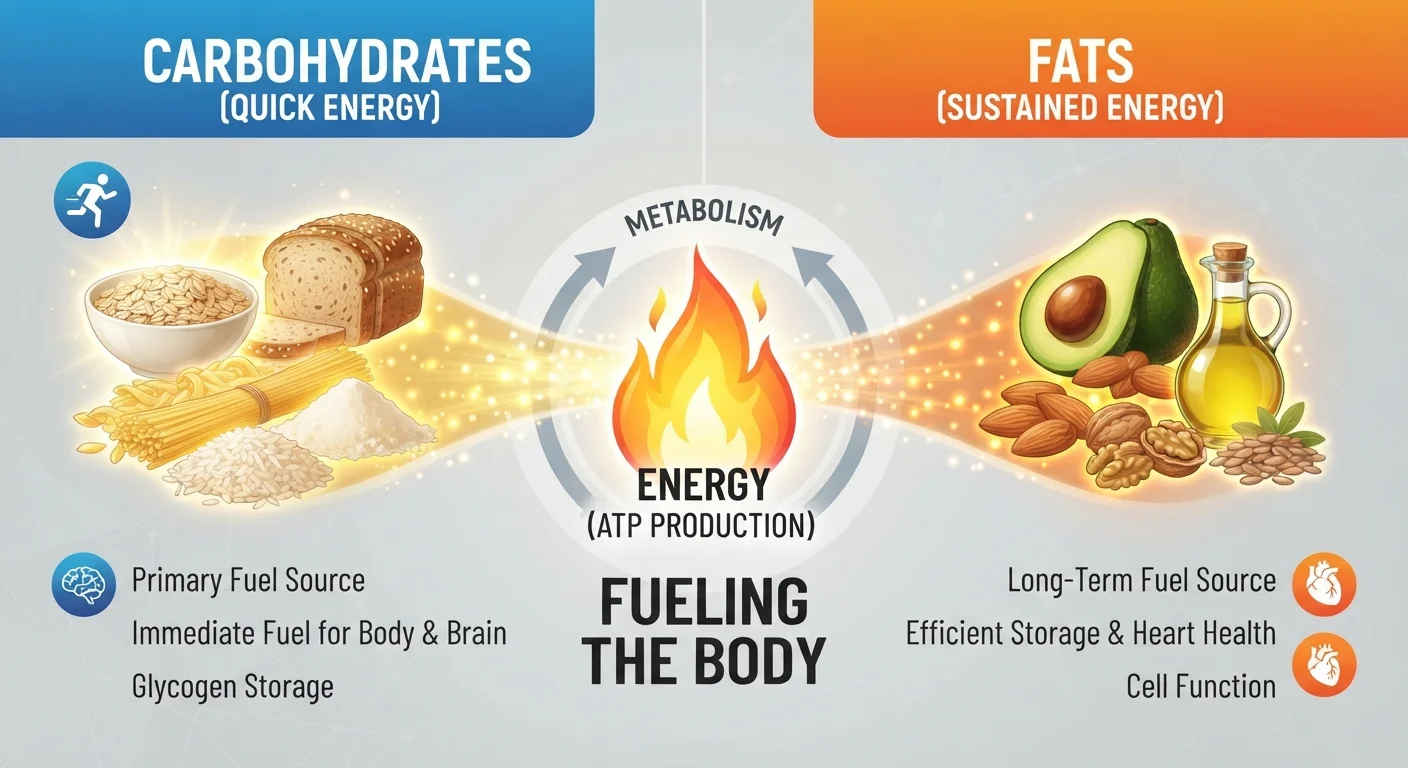
Carbohydrates are the body's preferred fuel source, particularly for the brain and during physical activity. Not all carbs behave the same way: fiber-rich carbohydrates — found in vegetables, legumes, whole grains, and fruit — digest more slowly and support a more gradual blood glucose response compared to heavily refined options. Choosing whole or minimally processed carbohydrate sources most of the time is one of the most consistent recommendations across major dietary guidelines.
Protein provides amino acids — the building blocks used for muscle tissue, enzymes, hormones, and immune function. Protein also has a notable satiating effect, meaning meals with adequate protein tend to feel more filling. Distributed across meals rather than concentrated in one sitting, protein supports the body's ongoing repair and maintenance processes more effectively.
Fat is essential for absorbing fat-soluble vitamins (A, D, E, and K), supporting cell membrane integrity, and producing certain hormones. Fat also slows gastric emptying, which helps meals feel satisfying longer. Unsaturated fats — from sources like olive oil, nuts, seeds, and fatty fish — are broadly associated with positive health outcomes in research. Including some fat at meals also helps the body absorb fat-soluble nutrients from vegetables and other foods eaten alongside it.
Practical Principles for Building Balanced Meals
The following practices offer an approachable framework for bringing macro balance into everyday eating — without requiring tracking or precise measurement. For a complementary visual approach, practical portioning without calorie counting offers useful guidance.
Anchor every meal around a quality protein source.
Protein supports satiety and helps prevent the energy dips that often follow low-protein meals. Including a meaningful protein source at each meal — rather than saving most of your daily intake for dinner — distributes amino acid availability more evenly throughout the day.
Choose fiber-rich carbohydrates as your primary carbohydrate source.
Fiber slows digestion, supports gut health, and moderates how quickly glucose enters the bloodstream. Whole food carbohydrate sources also tend to bring along vitamins and minerals that refined versions lack.
Include a small amount of healthy fat in each meal to improve nutrient absorption.
Fat-soluble vitamins and some antioxidants found in vegetables require dietary fat to be absorbed effectively. A small addition of fat also improves meal satisfaction and helps slow digestion.
Avoid building meals around a single macronutrient.
Meals heavily dominated by one macro — such as large portions of refined carbohydrates with little protein or fat — tend to produce faster hunger return and less stable energy. Balance doesn't have to be perfect, but a rough distribution across all three macros at most meals supports steadier function.
Let whole foods do most of the macro-balancing work for you.
Many whole and minimally processed foods naturally contain more than one macronutrient — legumes offer both protein and carbohydrate; nuts provide protein, fat, and some carbohydrate. Building meals around these foods makes balance more intuitive and less dependent on deliberate calculation.
Quick Wins You Can Apply Today
Macro balance doesn't require an overhaul. Small, consistent adjustments add up over time — and starting with even one or two of these shifts can meaningfully improve how balanced your meals feel.
For a broader look at how macros fit alongside vitamins, minerals, and other nutrients, see the full nutritional picture. And for ongoing awareness of your eating patterns, a weekly balanced eating self-check can help you reflect without pressure.
This article is for general informational and educational purposes only and is not a substitute for professional medical or dietary advice. Individual nutritional needs vary. Please consult a qualified healthcare provider or registered dietitian for guidance specific to your health situation.