Why Rigid Food Rules Often Backfire
Strict dietary rules — eliminating entire food groups, labeling foods as "clean" or "bad," or demanding perfect adherence every day — can feel empowering at first. But research on dietary behavior consistently shows that rigid restriction tends to be unsustainable. When a rule is broken, even once, many people experience guilt or an all-or-nothing response that derails their broader eating habits entirely.
This cycle isn't a personal failure. It's a predictable outcome when the standards set are too inflexible for real life. Work dinners, family celebrations, travel, and stress all create eating situations that don't fit neatly into rigid frameworks. A more durable approach acknowledges that variability is a feature of everyday life — not a problem to be eliminated.
The 80/20 food philosophy offers an alternative: a structure grounded in overall nutritional quality that still has room to breathe. For a broader look at how balanced eating works across different life circumstances, see the complete overview of balanced eating.
What the 80/20 Approach Actually Looks Like
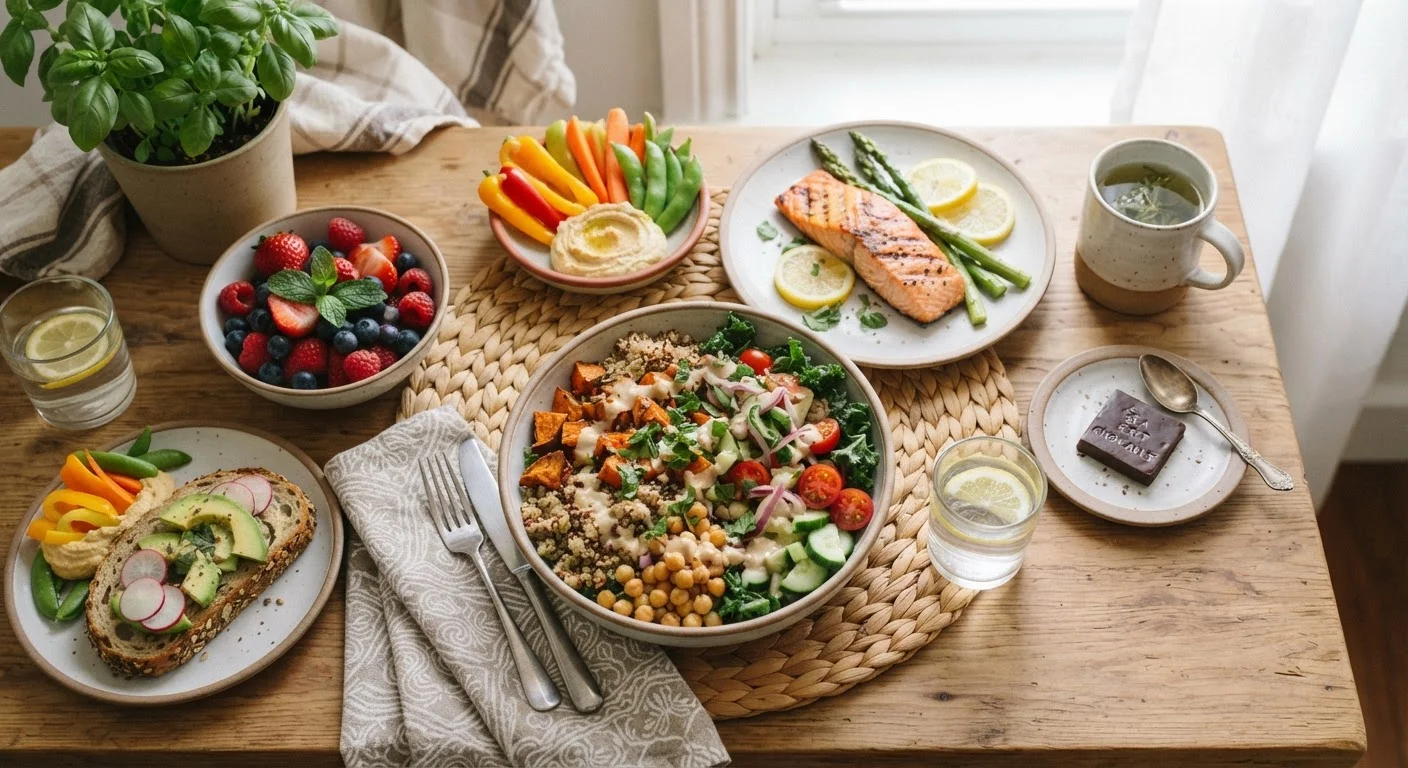
Applied practically, the 80/20 philosophy means that the majority of your meals and snacks are built around foods with meaningful nutritional value — vegetables, fruits, whole grains, legumes, lean proteins, and healthy fats. These foods form the nutritional backbone of your diet and provide fiber, vitamins, minerals, and the macronutrients your body needs consistently.
The remaining portion of eating occasions makes space for foods chosen for enjoyment, social connection, or simple convenience — without attaching moral weight to those choices. A slice of birthday cake, a takeout meal after a long workday, or a handful of chips while watching a movie don't derail a sound eating pattern when the overall foundation is solid.
~80%
Adherence rate linked to better long-term outcomes
Nutrition behavior research suggests that dietary patterns with built-in flexibility tend to produce higher long-term adherence than highly restrictive approaches.
1 in 3
Americans report difficulty maintaining a consistent diet
According to the International Food Information Council's Food and Health Survey, a significant share of U.S. adults find sustaining healthy eating patterns challenging over time.
It's worth noting that the 80/20 split is intentionally approximate. Some weeks the balance shifts to 85/15; others, it might be closer to 75/25. What matters is the overall direction, not a precise daily count. This kind of flexibility is exactly what makes the approach sustainable across months and years rather than days and weeks.
For practical strategies on maintaining that nutritional foundation even when life gets hectic, eating well on busy days explores habits that hold up under pressure.
The Nutritional Logic Behind Flexibility
Human nutrition science consistently points to dietary patterns — not individual foods or single meals — as the meaningful unit of analysis for long-term health. The Mediterranean diet, the DASH eating pattern, and similar evidence-based frameworks all share a common thread: they describe overall eating habits characterized by variety, whole foods, and moderate indulgence, not absolute restriction.
Eating a nutritious diet 80% of the time means most of your meals are delivering the fiber, protein, healthy fats, vitamins, and minerals that support energy, gut health, immune function, and long-term wellbeing. That foundation is robust enough to accommodate the 20% without meaningful consequence to overall nutritional quality.
This also connects to what nutrition researchers call "dietary adherence" — the degree to which people actually follow an eating pattern over time. Flexible approaches tend to produce better long-term adherence than strict ones, which is ultimately what determines real-world health outcomes. Building consistent nutrition doesn't have to feel like a second job; light, flexible meal planning can help reduce daily decision fatigue without adding pressure.
Building Your Own 80/20 Foundation
Putting the 80/20 philosophy into practice starts with focusing on what to include, not what to eliminate. Ask what a typical week of eating looks like for you: are most meals built around a variety of vegetables, a source of protein, and a whole grain or fiber-rich carbohydrate? If gaps exist, small, incremental shifts tend to be more effective than overhauling everything at once.
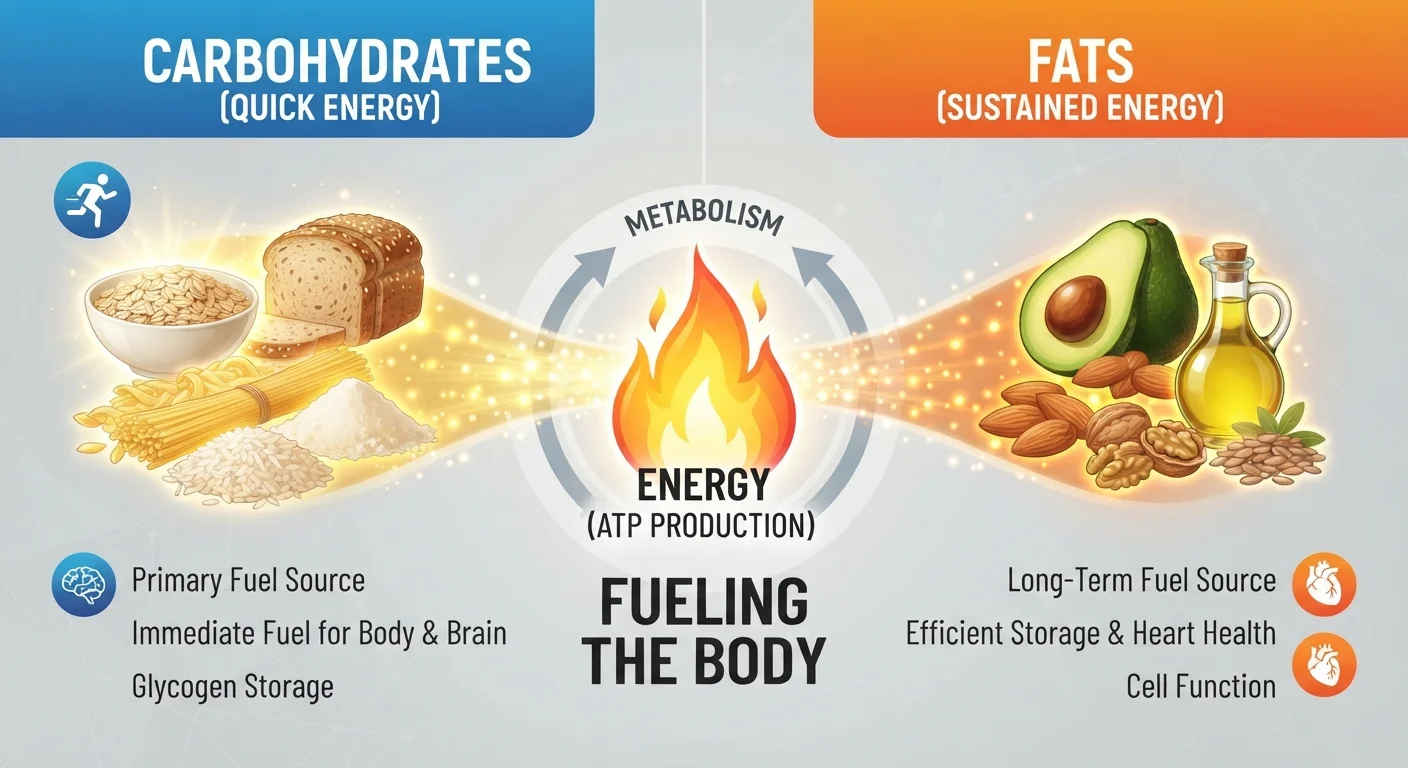
Understanding how macronutrients work together at the meal level can also help. Balancing all three macros in a meal offers evidence-grounded principles for thinking about protein, carbohydrates, and fat intuitively — no tracking apps required.
It's equally important to approach the 20% without guilt. Enjoying food socially, eating for comfort occasionally, and allowing for convenience are normal, human behaviors. When food choices carry heavy moral weight, eating can become a source of stress rather than nourishment. A flexible framework helps protect against that dynamic by design.
For those curious about how food variety supports gut health as part of a broader eating pattern, gut-supportive eating principles outlines the dietary factors research consistently points to.
This article is for general informational and educational purposes only and is not a substitute for professional medical or dietary advice. If you have specific health concerns or conditions, please consult a qualified healthcare provider or registered dietitian.