A simple, practical checklist to help you reflect on your weekly eating patterns — no perfection required, just honest awareness.
Key Takeaways
A weekly eating self-check builds awareness without requiring perfection or strict tracking.
Balanced eating patterns matter more than any single meal or day.
Variety, adequacy, and flexibility are the hallmarks of a sustainable approach.
This checklist is a reflection tool, not a grading system — use it with curiosity.
Consistent patterns over time, not daily precision, drive long-term nutritional health.
Why a Weekly Lens Works Better Than Daily Scrutiny
Nutrition rarely works cleanly day by day. A busy Tuesday might mean a quick sandwich and little produce. A relaxed Sunday might bring a home-cooked meal with vegetables, whole grains, and time to eat mindfully. When you zoom out to a full week, the picture becomes more honest — and more forgiving.
This self-check is designed as a reflection tool, not a performance scorecard. There are no points, no failing grades, and no requirement to eat any particular way. The goal is simply to notice patterns — what's working, what's missing, and where small shifts might make a meaningful difference over time.
For a deeper foundation on what balanced eating actually means across different life stages and circumstances, see our complete guide to balanced eating for life. This checklist pairs well with broader wellness audits too — including The Daily Habits Audit, which covers sleep, movement, and stress alongside nutrition.
Work through the checklist below at the end of your week — Sunday evening or Monday morning both work well. Read each item honestly and note where you feel confident and where you feel uncertain. That uncertainty is useful information.
How to Use This Checklist
Approach each item as a genuine question rather than a test. For items marked must, these reflect broadly recognized patterns tied to nutritional adequacy — things most adults benefit from attending to most weeks. Items marked should are strongly supported by evidence and worth prioritizing. Items marked nice to have represent helpful refinements, but missing them occasionally is not a concern.
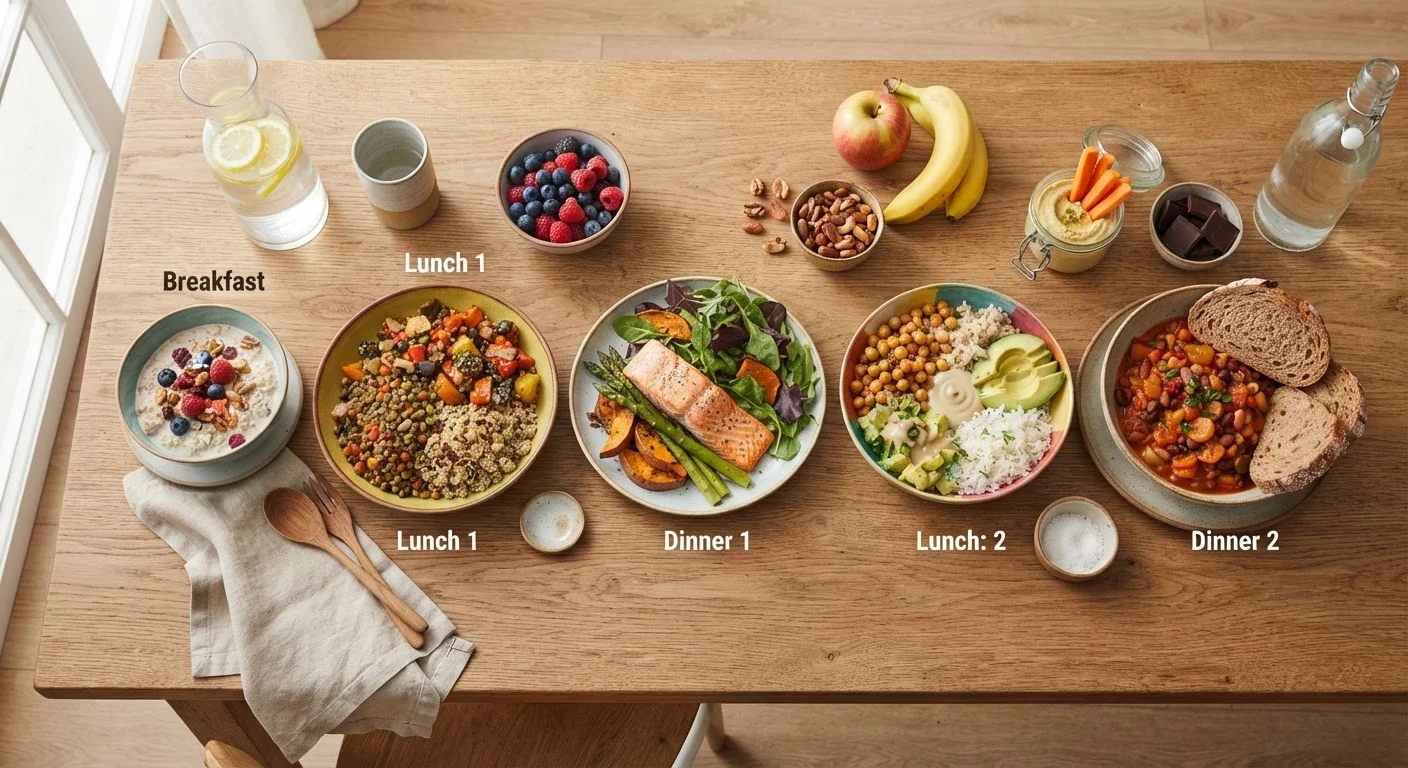
You don't need to track every bite to use this checklist. Think back over the past seven days — not each meal, but the general pattern. Did vegetables appear most days? Did you drink water regularly? Did you eat in ways that left you feeling reasonably satisfied rather than deprived or overly full most of the time?
Variety and Food Groups
Include vegetables in your meals on most days of the week, aiming for a range of colors and types rather than the same one or two repeatedly.Must
Eat fruit at least several times this week, whether fresh, frozen, or canned without added sugar.Must
Choose whole grains (oats, brown rice, whole wheat bread, quinoa) for at least half of your grain-based foods most days.Should
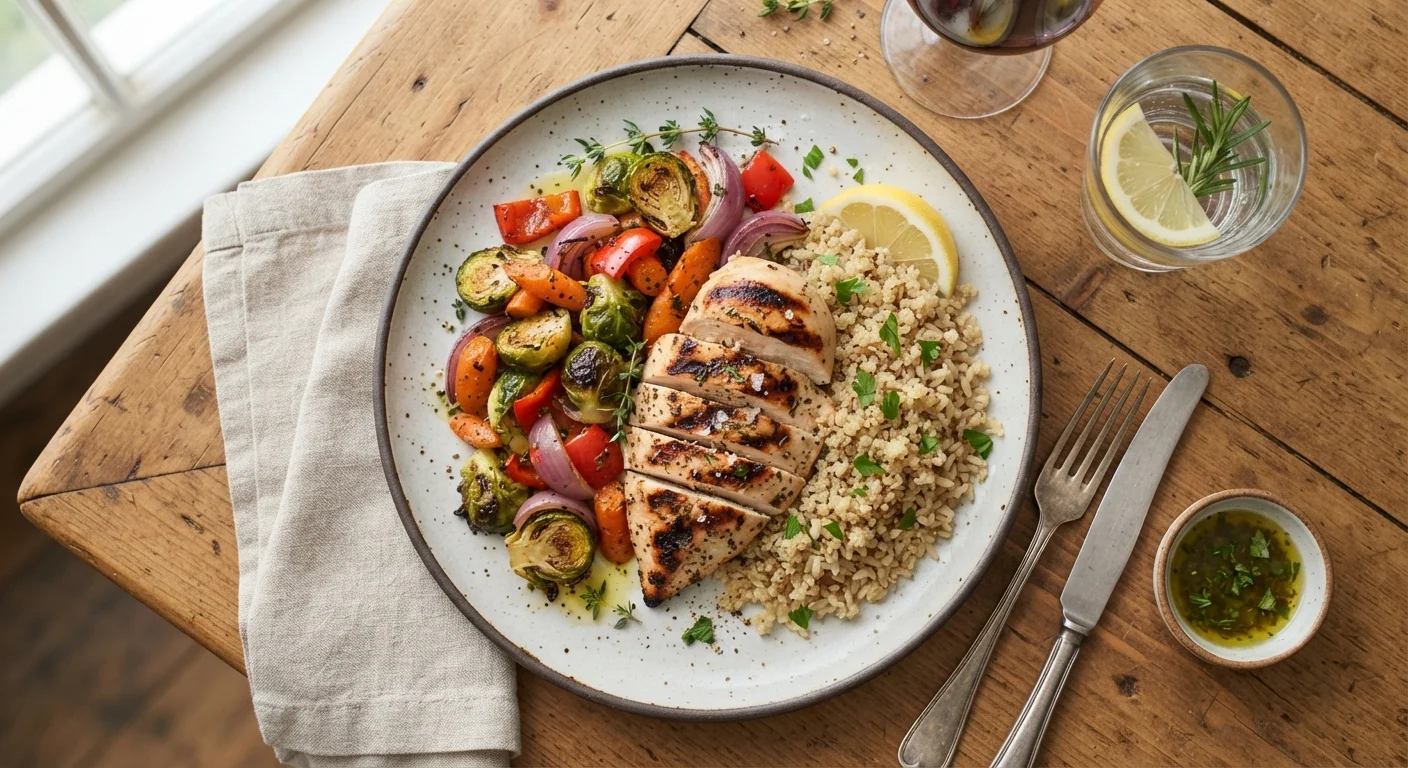
Include a protein source — animal or plant-based — with most meals to support satiety and nutrient adequacy.Must
Incorporate plant-based protein sources such as beans, lentils, tofu, or nuts at least two or three times this week.Should
Include dairy or fortified dairy alternatives to support calcium and vitamin D intake, unless medically restricted.Should
Hydration
Drink water as your primary beverage throughout the day, returning to it habitually rather than relying on other drinks.Must
Limit sugar-sweetened beverages to occasional consumption rather than a daily habit.Should
Notice whether you're drinking enough to feel alert and maintain normal energy — thirst is often a late signal of mild dehydration.Must
Eating Patterns and Habits
Eat regular meals or structured eating occasions throughout the day rather than going long stretches without food and then overeating.Should
Pause at meals to notice hunger and fullness cues — eating slowly enough to let your body register satiety.Should
Avoid eating while distracted (scrolling, working) for at least some meals each week to support more mindful intake.Nice to have
Check whether most of your meals this week included at least two distinct food groups, rather than single-food or highly processed meals.Should
Limiting Concern Foods
Keep highly processed foods — packaged snacks, fast food, processed meats — as occasional choices rather than daily staples.Should
Monitor added sugar intake by checking whether sweetened foods appear at most meals or primarily as occasional treats.Should
Be aware of sodium-heavy meals (canned soups, restaurant food, processed snacks) if you eat them frequently, as excess sodium is a common concern in American diets.Should
Relationship with Food
Reflect on whether your eating felt flexible this week — able to enjoy a meal out or a treat without guilt or compensating with restriction.Must
Notice whether any food felt "forbidden" this week — rigid food rules often signal a pattern worth examining with a professional.Should
Assess whether you felt reasonably satisfied after most meals, neither chronically deprived nor consistently uncomfortably full.Must
Consider whether stress, mood, or fatigue significantly drove your eating choices this week — emotional eating is common, and noticing it is the first step toward addressing it.Nice to have
Planning and Practical Support
Have at least a loose plan for the coming week's meals — even knowing what proteins or vegetables are on hand reduces reliance on less nutritious convenience options.Nice to have
Keep a few nutritious staples stocked (canned beans, frozen vegetables, whole grain bread, eggs) so balanced meals remain accessible on busy days.Should
If you notice gaps, choose one or two to focus on in the coming week — not all of them at once. Sustainable change comes from small, consistent adjustments, not sweeping overhauls. For guidance on building week-by-week routines that support your overall health, explore Building a Weekly Routine That Supports a Healthy Weight.
This checklist is not a diet plan
Nothing in this self-check is intended to prescribe calories, portion sizes, or specific meal structures. Nutritional needs vary significantly based on age, health status, activity level, and other factors. If you feel uncertain about what balanced eating looks like for your specific situation, a registered dietitian is the most appropriate resource — not a checklist.
This checklist is for general informational purposes only and is not a substitute for personalized medical or nutrition advice. If you have specific health conditions, dietary restrictions, or concerns about your eating patterns, consult a registered dietitian or qualified healthcare professional.
Nutrition Basics Editorial Team is the collective byline for our editorial team and contributor network. Articles published under this byline or an editorial pen name are researched, written, and reviewed according to our editorial standards for clarity, consistency, and independence before publication.
The content on this site is for informational purposes only and is not a substitute for professional advice. Always consult a qualified professional for guidance specific to your situation.