What the Terms Actually Mean
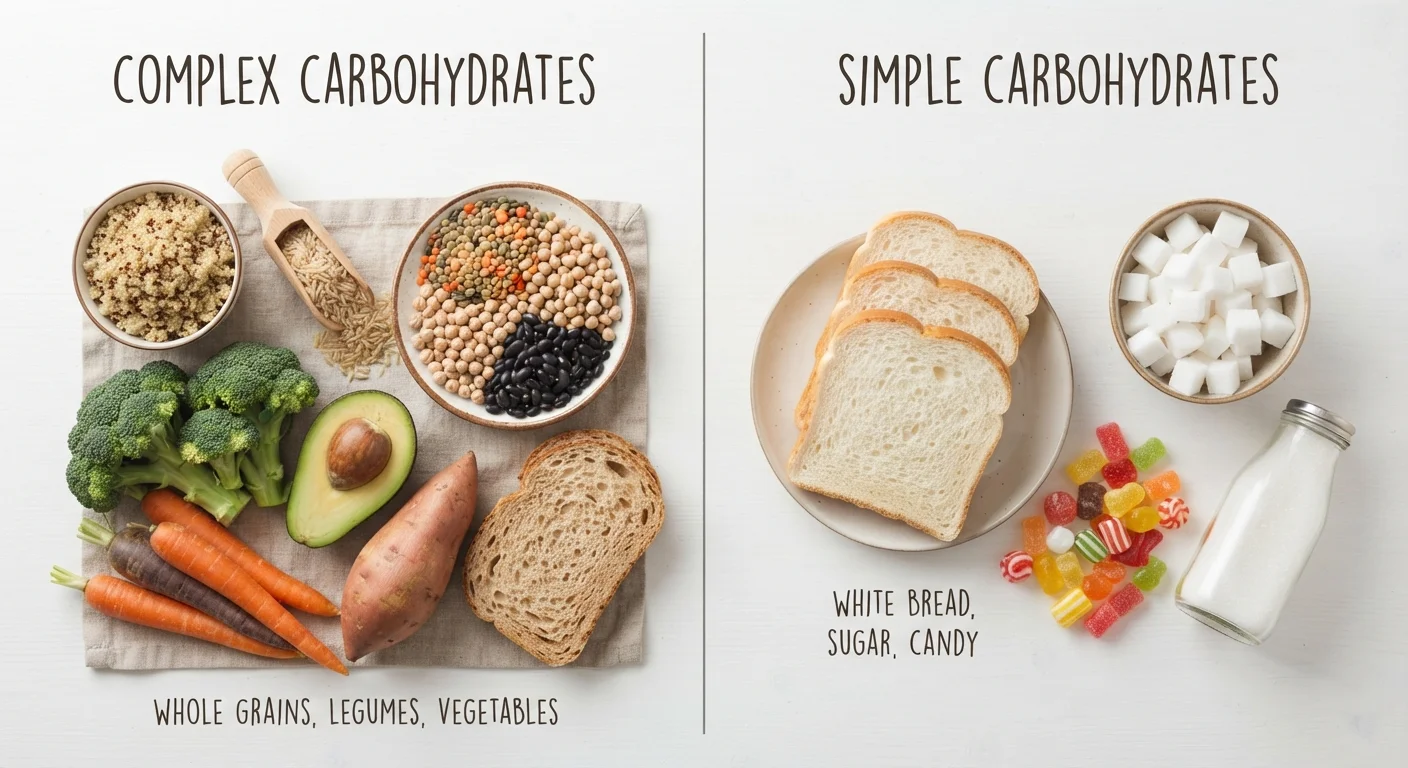
The words simple and complex refer to molecular structure. Simple carbohydrates — also called sugars — consist of one or two sugar units (monosaccharides and disaccharides). Glucose, fructose, and lactose all fall here. Complex carbohydrates are longer chains of sugar units called polysaccharides; starches and dietary fiber are the main examples.
That structural difference was the basis for an intuitive rule of thumb: simple carbs digest quickly and spike blood sugar; complex carbs digest slowly and provide steadier energy. The rule isn't wrong exactly — but it's incomplete in ways that matter a great deal to everyday eating decisions. As nutrition science has developed, researchers have found that structure is just one variable among several.
Where the Simple-Complex Framework Falls Short
The clearest problem with the framework is that it can point you toward the wrong foods. Consider two examples:
- Fruit is loaded with simple sugars (fructose and glucose), yet it also delivers fiber, vitamins, polyphenols, and water. Observational research consistently associates higher fruit consumption with better health outcomes — not worse ones.
- White bread is made from complex carbohydrates, yet the grain has been so heavily milled that most of its fiber and micronutrients are stripped away. Its glycemic response resembles table sugar more than it resembles whole-grain bread.
The deeper variable here is processing level. Refining a grain — removing the bran and germ — can transform a nutrient-dense complex carbohydrate into something nutritionally closer to a simple sugar. The molecular length barely matters once fiber is gone. This is one reason why the carbs-are-bad myth persists: people conflate heavily processed refined carbs with all carbohydrates.
| Simple Carbs (Whole-Food) | Simple Carbs (Added Sugar) | Complex Carbs (Whole Grain) | Complex Carbs (Refined) | |
|---|---|---|---|---|
| Example foods | Fruit, milk | Soda, candy, table sugar | Brown rice, oats, legumes | White bread, white pasta |
| Fiber content | Moderate (fruit) | Negligible | High | Low to negligible |
| Nutrient density | High — vitamins, antioxidants | Very low | High — B vitamins, minerals | Low — mostly stripped away |
| Digestion speed | Moderate (fiber slows it) | Fast | Slow to moderate | Faster than whole-grain |
| Blood sugar impact | Modest when eaten whole | High | Lower, more gradual | Moderate to high |
| Practical guidance | Prioritize freely | Limit added sugars | Prioritize freely | Moderate; choose whole-grain versions |
Meal context adds another layer. The speed at which any carbohydrate raises blood glucose depends significantly on what you eat alongside it. Fat, protein, fiber, and even food temperature all slow gastric emptying and blunt glycemic response. A plain baked potato has a high glycemic index eaten alone; combined with protein and vegetables in a balanced meal, its blood sugar impact is meaningfully lower. The glycemic index doesn't capture this — and neither does the simple-complex label.
What Actually Predicts a Carb's Nutritional Value
If molecular structure isn't the most reliable guide, what is? Research points to a handful of factors that more consistently predict how a carbohydrate food affects health:
- Fiber content. Dietary fiber — a type of complex carbohydrate the body can't fully digest — slows digestion, feeds beneficial gut bacteria, supports cholesterol management, and contributes to satiety. Foods naturally high in fiber (legumes, whole grains, vegetables, fruit) consistently show positive associations in large-scale nutrition research.
- Processing level. Minimally processed carbohydrate foods retain their fiber, micronutrients, and natural food matrix. Ultra-processed versions of the same raw ingredient often don't. The degree of processing is a stronger signal than the simple-vs-complex label.
- Nutrient density. Does the food bring vitamins, minerals, antioxidants, or other useful compounds alongside its carbohydrate grams? Whole carbohydrate sources generally do. Heavily refined ones often don't.
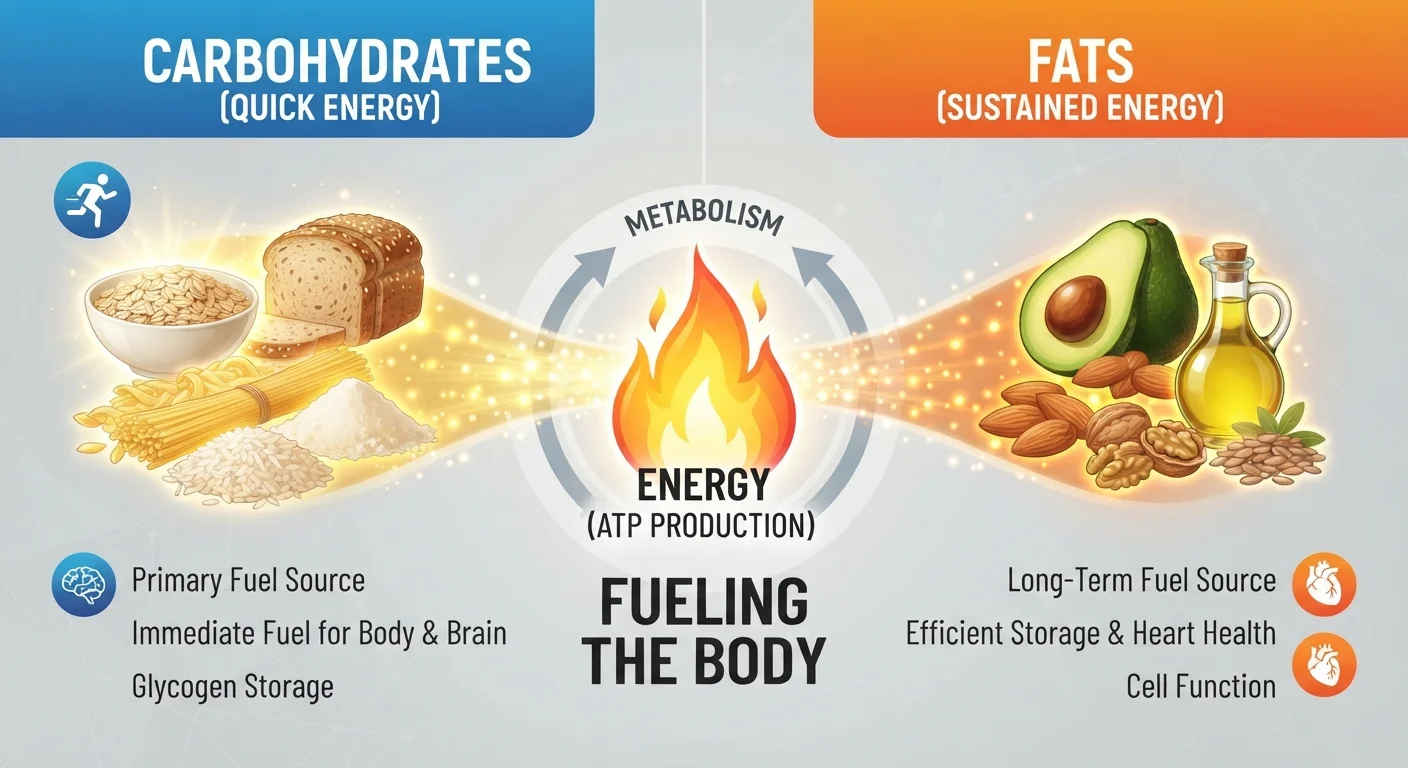
Understanding how your body uses carbohydrates as fuel can also help put quality choices in context, particularly if you're thinking about energy levels and physical activity. For those doing regular moderate exercise, carbohydrate timing and source become especially relevant considerations.
A More Practical Way to Think About Carbohydrates
The simple-complex framework isn't useless — it's a reasonable starting point for understanding carbohydrate chemistry. But as a daily food-choice tool, it overpromises. A more durable mental model focuses on two questions: How processed is this food? and What else does it bring to the plate?
Whole grains, legumes, vegetables, and fruit are reliable carbohydrate sources by this standard — not because of where they fall on a structural spectrum, but because they retain fiber and nutrients and haven't had their food matrix dismantled. Heavily refined grain products and foods with substantial added sugars deserve more moderation — again, not because of their molecular structure, but because of what processing removes.
This framing also sidesteps the all-or-nothing thinking that makes nutrition unnecessarily complicated. No carbohydrate category is inherently forbidden. Simpler, more honest labels — whole vs. refined, fiber-rich vs. fiber-poor — track closer to the science and make everyday decisions more manageable.
This article is for general informational and educational purposes only and is not a substitute for professional medical or dietary advice. If you have questions about carbohydrate intake related to a specific health condition, please consult a qualified healthcare provider or registered dietitian.