Why Nutrient Gaps Are So Common in American Eating Patterns
Despite living in one of the most food-abundant countries in the world, many Americans consistently fall short on a handful of essential micronutrients. Federal surveillance data — including the National Health and Nutrition Examination Survey (NHANES) — repeatedly identifies the same shortfall nutrients across age groups and demographics. These gaps aren't the result of carelessness; they largely reflect the structure of the modern American diet, which tends to be high in processed foods and low in the whole foods where these nutrients naturally concentrate.
Understanding which micronutrients are most commonly under-consumed is a useful first step toward a more complete eating pattern. As our guide to macronutrients and micronutrients explains, vitamins and minerals play essential roles in virtually every system in the body — roles that calories and macronutrients simply cannot fill. The nutrients below represent the gaps most frequently flagged in population-level dietary research.
Vitamin D
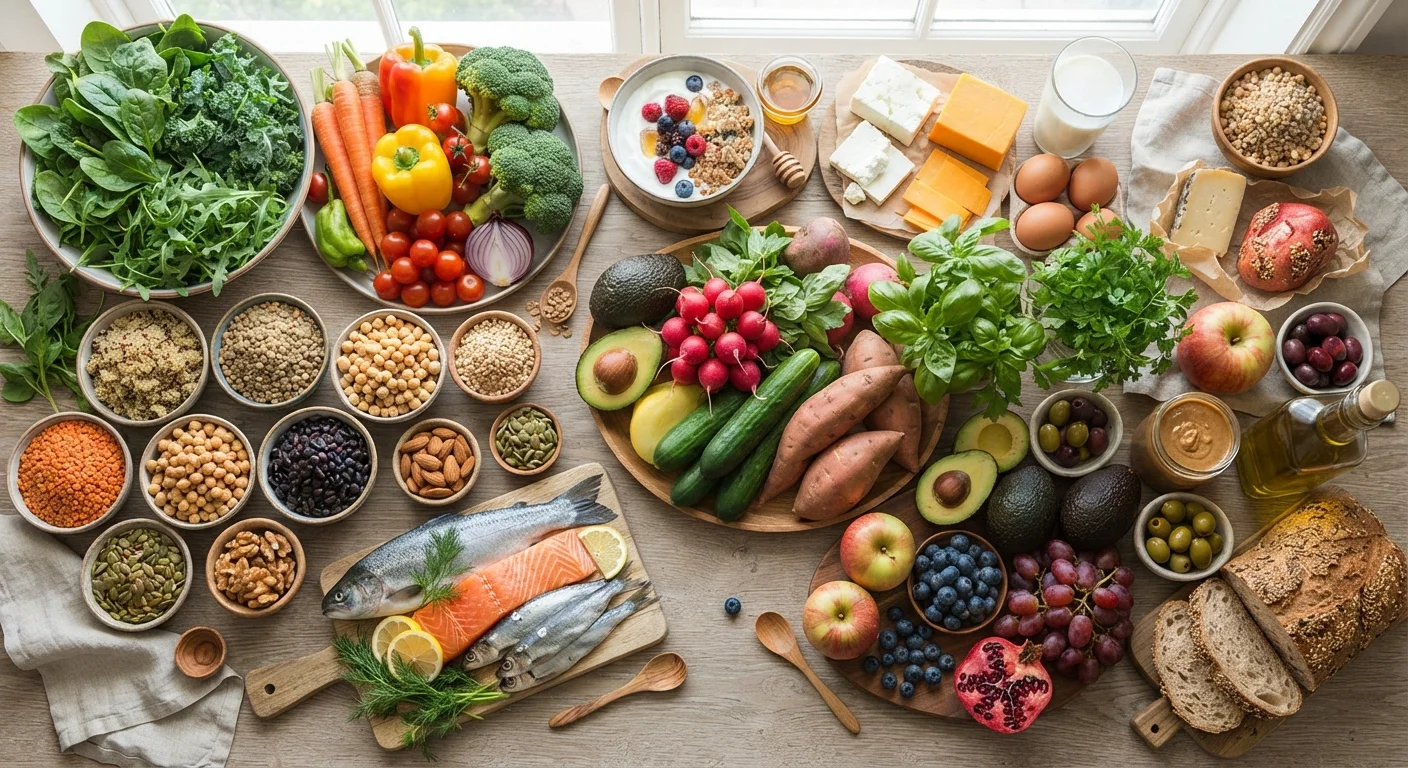
Vitamin D stands out as one of the most widespread shortfalls in the American population. The body can synthesize it through sun exposure, but factors like indoor lifestyles, sunscreen use, darker skin tones, and geographic latitude all reduce how much is actually produced. Dietary sources are limited — fatty fish such as salmon and mackerel, egg yolks, and fortified foods like milk and some cereals are among the most reliable options.
Vitamin D supports calcium absorption, immune function, and muscle health. Low intake over time has been associated in research with bone density concerns and immune challenges, though the full picture of its effects is still an active area of study. For more on how this nutrient functions, see our overview of what micronutrients do inside your body.
Fatty fish, egg yolks, and fortified milk are among the few reliable dietary sources of vitamin D.
Calcium
Calcium is the most abundant mineral in the body, playing a central role in bone structure, muscle contraction, and nerve signaling. Yet surveys consistently show that a significant portion of Americans — particularly adolescent girls and older adults — consume less than recommended amounts. Dairy products are the most concentrated food sources, but calcium is also present in fortified plant milks, canned fish with soft bones (like sardines), tofu made with calcium sulfate, and leafy greens such as bok choy and kale.
One practical nuance: some plant foods contain compounds called oxalates or phytates that can reduce how much calcium the body absorbs. Cooking methods and food pairings can influence absorption, though dairy and fortified foods generally offer high bioavailability.
Calcium supports bone structure and muscle contraction, yet many Americans consistently fall short of recommended intake.
Potassium
Potassium is classified by federal dietary guidelines as a nutrient of public health concern precisely because so many Americans under-consume it. It plays an important role in blood pressure regulation, fluid balance, and heart and kidney function. The best sources are whole foods: bananas, potatoes (with skin), beans, lentils, avocado, spinach, and yogurt are all meaningfully high in potassium.
The gap is largely a reflection of low fruit and vegetable intake in the typical American eating pattern. Processed foods, which make up a large share of calories for many people, tend to be low in potassium and high in sodium — the opposite balance from what dietary guidance recommends. Shifting even a portion of meals toward whole, minimally processed foods can meaningfully increase potassium intake.
Potassium is a nutrient of public health concern because whole-food intake — its main source — remains low for most Americans.
Magnesium
Magnesium is involved in more than 300 enzymatic reactions in the body, including energy production, protein synthesis, blood glucose regulation, and bone formation. Despite its broad importance, surveys suggest that a notable share of American adults consume less than the recommended amount. Like potassium, magnesium is found predominantly in whole, minimally processed foods: nuts (especially almonds and cashews), seeds, whole grains, legumes, and dark leafy greens.
Refining grains removes much of the magnesium naturally present in the bran and germ. Diets heavy in refined grains and low in plant foods therefore tend to come up short. Choosing whole-grain versions of bread, pasta, and rice over refined equivalents is one straightforward way to improve magnesium intake without dramatic changes to eating habits.
Refining grains strips out most of their magnesium, making whole-grain choices a simple lever for improving intake.
Iron
Iron is essential for producing hemoglobin — the protein in red blood cells that carries oxygen throughout the body. Iron-deficiency anemia is one of the most common nutritional deficiencies globally, and certain groups in the U.S. — including premenopausal women, pregnant individuals, infants, and young children — are at higher risk. Dietary iron comes in two forms: heme iron (from meat, poultry, and fish), which is absorbed efficiently, and non-heme iron (from plant foods and fortified products), which is absorbed less readily but can be meaningfully improved by consuming it alongside vitamin C-rich foods.
Plant-based eaters and those who eat little meat should pay particular attention to iron-rich plant sources such as lentils, tofu, fortified cereals, pumpkin seeds, and dark leafy greens. Pairing these foods with citrus juice, tomatoes, or bell peppers at the same meal can enhance non-heme iron absorption. Those with concerns about iron status should work with a healthcare provider, as both deficiency and excess carry health implications. This is one area where common myths about micronutrients — such as assuming more is always better — can lead people astray.
Pairing non-heme iron foods with vitamin C at the same meal is a simple, evidence-supported way to boost absorption.
Putting It All Together: Closing the Gap Through Food First
Noticing patterns in your own eating — fewer dairy products, limited sun exposure, not many leafy greens — can help you identify which shortfalls may apply to you personally. The goal isn't to track every milligram at every meal, but to recognize where your current diet may be thin and add variety accordingly. Our overview of under-consumed nutrients and whole-food sources pairs each common gap with practical food options worth exploring.
Build Variety Before Adding Supplements
For most healthy adults, broadening the range of whole foods in your diet is the most effective first step toward closing nutrient gaps. Supplements can play a role in specific circumstances, but they don't replicate the full matrix of compounds found in food. Before reaching for a pill, look for ways to add more variety — an extra serving of leafy greens, a swap to whole grains, or a legume-based meal a few times per week can shift your intake meaningfully.
If you follow a mostly plant-based eating pattern, some of these shortfalls — particularly calcium, iron, and vitamin D — deserve extra attention. See our practical guide for plant-based eaters for specific strategies. And if you're uncertain whether a supplement is appropriate for your situation, that's a conversation best had with a qualified healthcare provider who knows your individual health history.
This article is for general informational and educational purposes only and does not constitute medical advice. Always consult a qualified healthcare professional before making changes to your diet or supplement routine, especially if you have an existing health condition.