What Iron Does in the Body
Iron plays a central role in keeping your body oxygenated and energized. Its primary job is supporting the production of hemoglobin — the protein inside red blood cells responsible for transporting oxygen throughout the body. Iron also contributes to myoglobin, a similar protein that stores oxygen in muscle tissue, and supports numerous enzyme systems involved in energy metabolism and immune function.
When iron intake is consistently low over time, the body draws down its stored reserves. Eventually, red blood cell production can be affected, which may reduce the oxygen available to your tissues. Symptoms associated with inadequate iron stores — such as fatigue, difficulty concentrating, or feeling cold — are often subtle and easy to attribute to other causes, which is why a healthcare provider's assessment is important before drawing conclusions.
This article is for general educational purposes and is not a substitute for medical advice. If you have concerns about your iron levels, speak with a qualified healthcare professional.
Heme vs. Non-Heme Iron: Why the Distinction Matters
Not all iron in food is created equal. The form it takes determines how readily your body can use it.
Heme iron is found exclusively in animal-derived foods — primarily red meat, poultry, and seafood. It is structurally bound to proteins in a way that allows intestinal cells to absorb it directly and efficiently. Research cited by the National Institutes of Health indicates that heme iron absorption ranges from approximately 15% to 35%, and it is relatively unaffected by other dietary factors at the same meal.
Non-heme iron is found in plant foods, dairy, eggs, and iron-fortified products. Its absorption is considerably more variable — generally estimated at 2% to 20% — and is strongly influenced by what else is eaten at the same time. Both enhancers and inhibitors in the diet play a meaningful role.
15–35%
Absorption rate of heme iron
According to the National Institutes of Health Office of Dietary Supplements, heme iron from animal foods is absorbed at this rate — significantly higher than non-heme iron.
2–20%
Absorption rate of non-heme iron
Non-heme iron absorption is highly variable and strongly influenced by enhancers and inhibitors present in the same meal, per NIH dietary guidance.
~10 mg
Average daily iron intake for U.S. adults
USDA dietary survey data suggests average iron intakes in American adults are often close to but sometimes below recommended levels, particularly among women of childbearing age.
Understanding this distinction helps explain why two people eating diets with similar total iron content can end up absorbing very different amounts.
Foods That Enhance Iron Absorption
The good news is that simple, practical food pairings can substantially improve how much non-heme iron your body actually absorbs.
Vitamin C-Rich Foods
Ascorbic acid (vitamin C) is the most well-established enhancer of non-heme iron absorption. It reduces ferric iron to the more absorbable ferrous form and may form a soluble complex with iron that remains available even in an alkaline intestinal environment. Practical pairings include squeezing lemon juice over cooked spinach, adding bell peppers to a bean salad, or drinking a small glass of orange juice alongside a fortified cereal. For a deeper look at evidence-based food pairing strategies, see food pairing principles that improve micronutrient absorption.
Heme Iron as an Enhancer
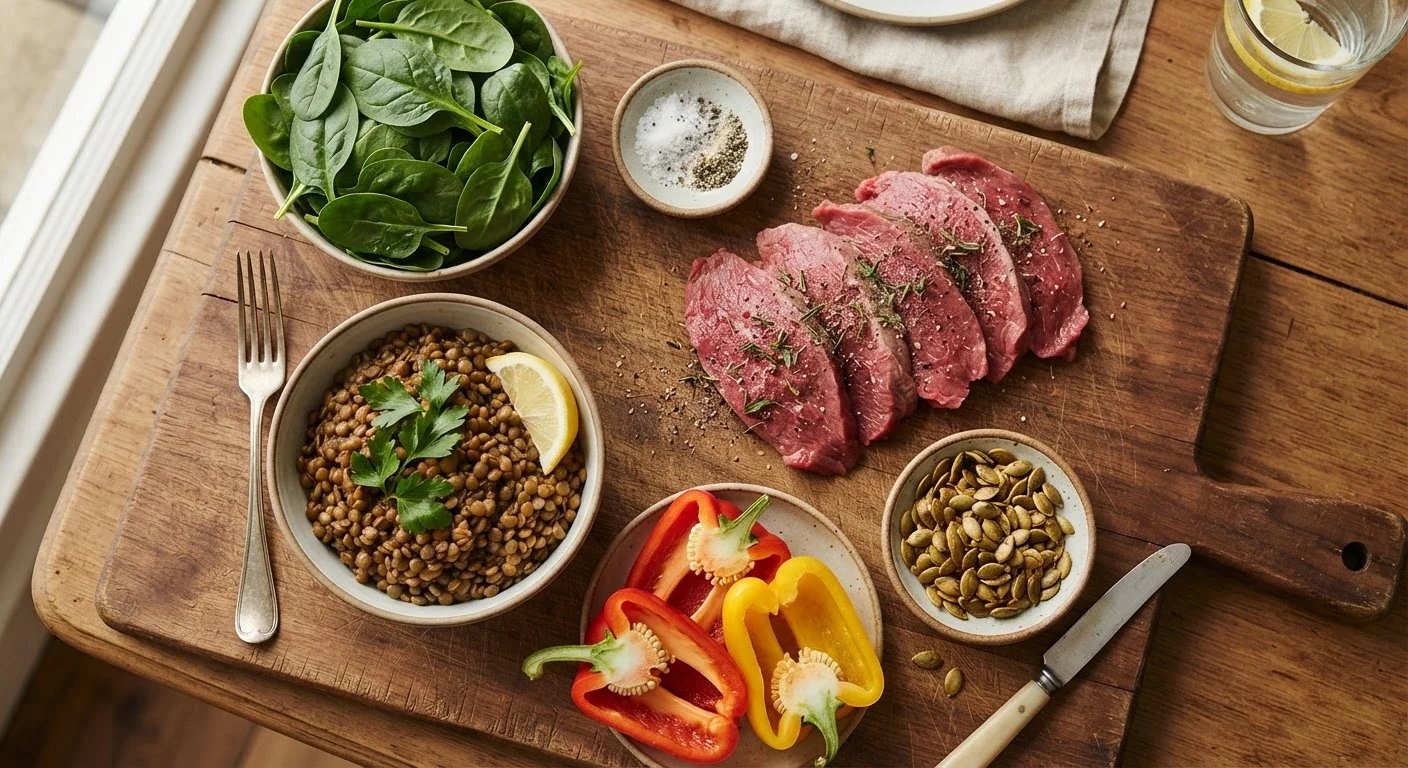
Interestingly, eating heme and non-heme iron together — such as pairing a small amount of beef with a larger serving of lentils — can improve absorption of the non-heme fraction. This is sometimes called the "meat factor," though the precise mechanism is not fully understood.
Pair Plant Iron With Vitamin C at the Same Meal
You don't need large amounts of vitamin C to make a difference. Adding just half a cup of chopped bell pepper, a handful of strawberries, or a squeeze of citrus juice to a plant-based, iron-rich meal can noticeably improve absorption. The key is consuming the vitamin C source at the same meal — not hours later.
Foods and Compounds That Inhibit Absorption
Just as some dietary factors boost iron uptake, others can reduce it — particularly for non-heme iron. Being aware of these interactions helps you make more informed meal choices, especially if you rely heavily on plant-based iron sources.
- Phytates: Found in whole grains, legumes, nuts, and seeds, phytic acid binds to iron and reduces its bioavailability. Soaking, fermenting, or sprouting these foods can help reduce phytate content.
- Tannins and polyphenols: Present in tea, coffee, red wine, and some berries, these compounds can inhibit non-heme iron absorption when consumed at the same meal. Spacing tea or coffee consumption away from iron-rich meals is a practical workaround.
- Calcium: High doses of calcium — from dairy or supplements — taken simultaneously with iron-rich foods may reduce absorption of both heme and non-heme iron. This does not mean avoiding calcium-rich foods, but rather being mindful of timing when iron intake is a priority.
- Excess zinc or manganese supplements: High supplemental doses of these minerals can compete with iron for absorption pathways. This is relevant only when consuming supplements in large amounts, not from food sources.
These inhibitory effects are most relevant when iron needs are elevated. For the general population eating a varied diet, they are usually not a major concern.
Practical Dietary Sources of Iron
Building iron-conscious eating habits doesn't require an overhaul of your diet — it's more about knowing which foods contribute meaningfully and how to combine them well.
Reliable Heme Iron Sources
- Beef and lamb (especially lean cuts and organ meats like liver)
- Oysters, clams, and mussels
- Canned sardines and tuna
- Chicken and turkey (dark meat provides more iron than white meat)
Reliable Non-Heme Iron Sources
- Lentils and chickpeas
- Tofu and tempeh
- Pumpkin seeds and hemp seeds
- Dark leafy greens such as spinach and Swiss chard
- Iron-fortified cereals and breads
- Dried apricots and raisins (modest contributors)
The USDA's Dietary Guidelines for Americans recommends that adults get between 8 mg and 18 mg of dietary iron per day depending on age and life stage, with higher needs during pregnancy. People following plant-based diets are generally advised to aim for higher total iron intake to compensate for lower bioavailability — a registered dietitian can help tailor this to individual needs.
If you are pregnant, breastfeeding, managing a chronic health condition, or have specific dietary restrictions, consult a qualified healthcare provider or registered dietitian for personalized guidance on iron intake.