Why Food Pairing Matters for Nutrient Absorption
Eating a nutrient-dense diet is only part of the equation. What your body actually absorbs from that food — a concept scientists call bioavailability — depends heavily on what you eat alongside it. Two people eating the same amount of spinach can end up with very different levels of iron absorbed, depending on the rest of their meal.
This isn't a fringe concept. Established research in nutritional biochemistry shows that specific food combinations either enhance or inhibit how well your digestive system captures vitamins and minerals. Understanding these relationships helps you get more nutritional value from foods you're likely already eating. For a broader look at why these nutrients matter in the first place, see what micronutrients actually do inside your body.
Evidence-Based Food Pairings to Know
The following practices are grounded in peer-reviewed nutrition science and recognized dietary guidance. Apply them consistently at meals for the most practical benefit.
Pair plant-based iron sources with vitamin C-rich foods at the same meal.
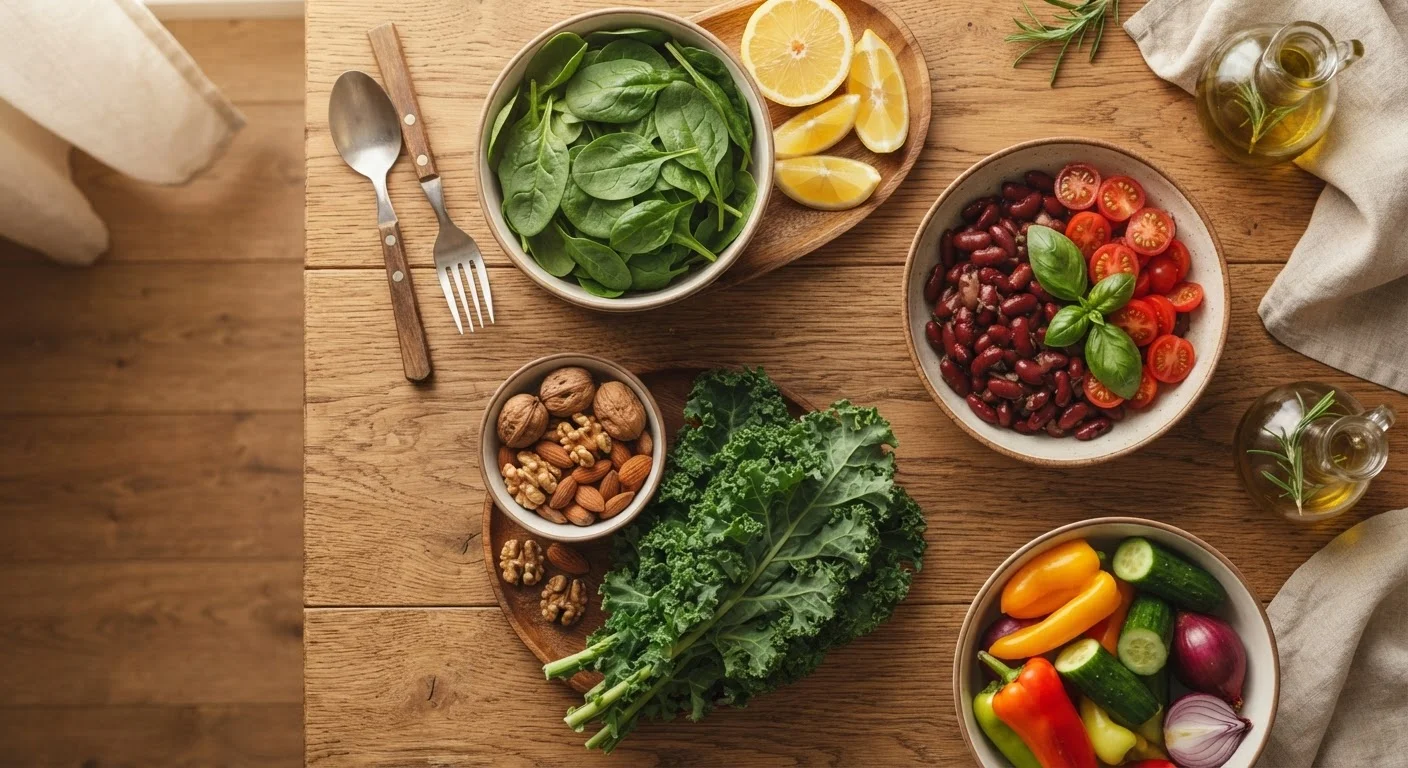
Non-heme iron — the form found in legumes, tofu, and leafy greens — is absorbed at a much lower rate than heme iron from animal sources. Vitamin C (ascorbic acid) converts non-heme iron into a more soluble form that intestinal cells can take up far more efficiently. Research suggests this pairing can increase non-heme iron absorption by up to several fold.
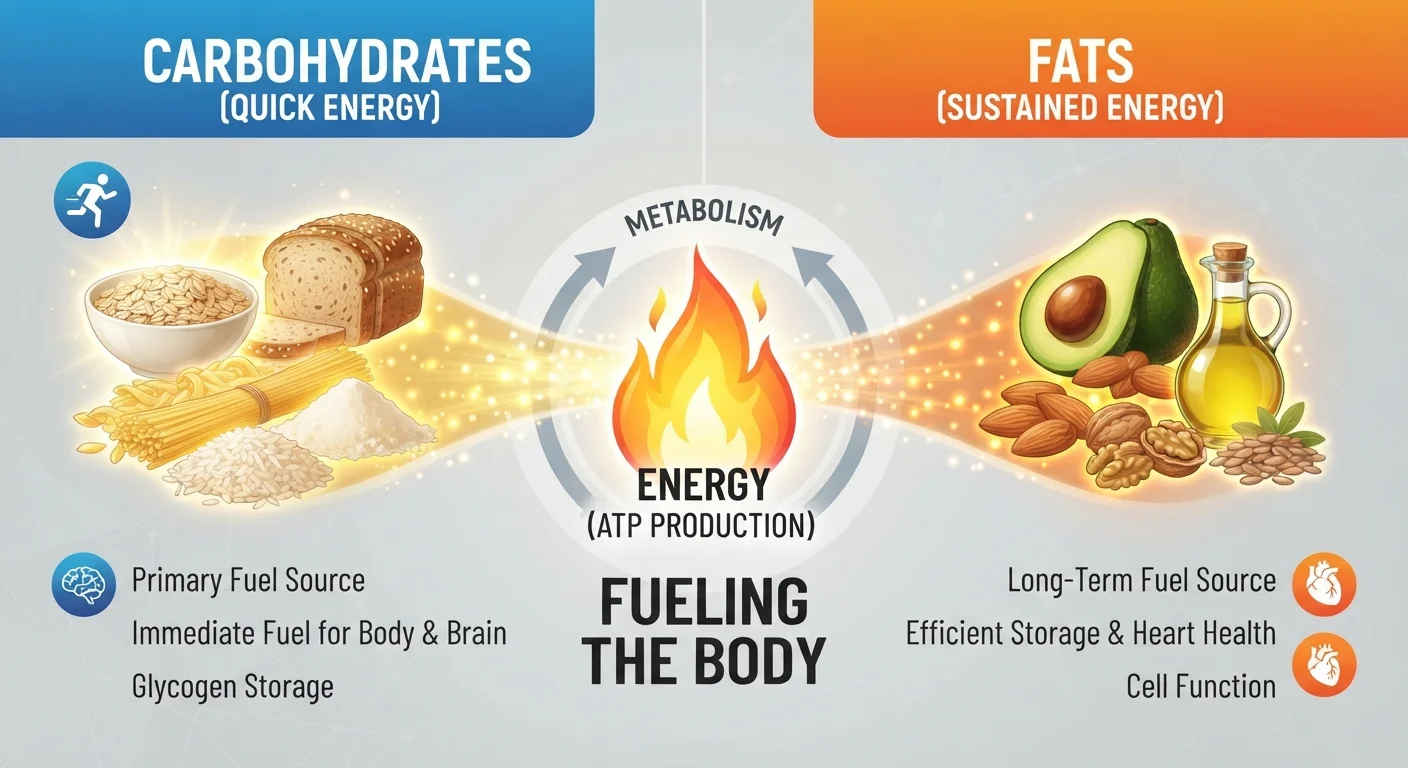
Consume fat-soluble vitamins alongside a source of healthy dietary fat.
Vitamins A, D, E, and K are fat-soluble, meaning the body needs fat present in the digestive tract to absorb and transport them. Without dietary fat at the same meal, a significant portion of these vitamins passes through unabsorbed. Even a modest amount of fat — such as from olive oil, avocado, or nuts — is sufficient.
Cook tomatoes with a small amount of olive oil to increase lycopene availability.
Lycopene, the carotenoid that gives tomatoes their red color, is more bioavailable from cooked tomatoes than raw ones. Heat breaks down cell walls that trap lycopene, and fat further enhances its absorption. This is one of the clearer examples where cooking actually improves a food's nutritional value.
Soak or ferment legumes and whole grains before cooking to reduce phytate content.
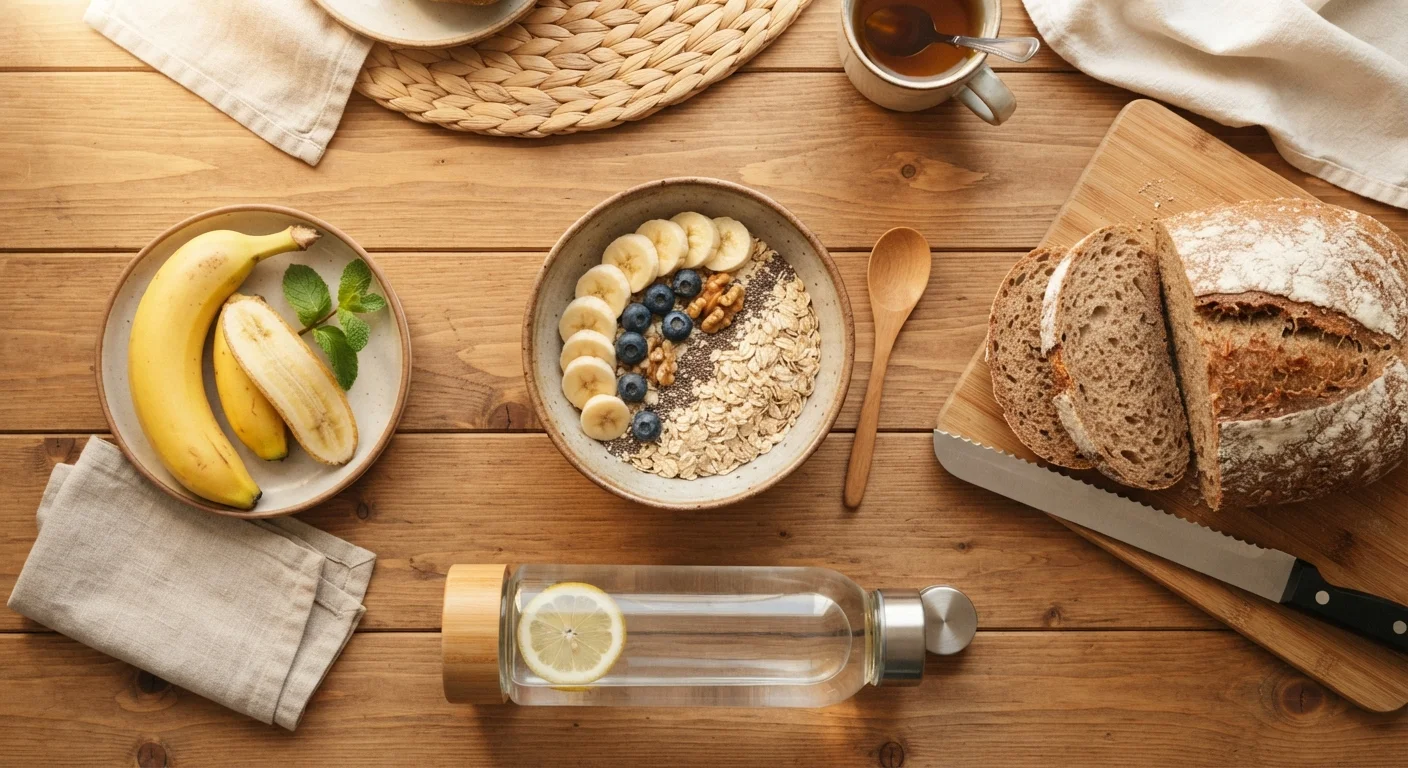
Phytic acid (phytate), found naturally in whole grains, legumes, and seeds, binds to minerals like zinc, iron, and calcium in the digestive tract, limiting their absorption. Soaking grains and legumes overnight — or using fermented grain products like sourdough bread — activates phytase enzymes that break down phytates, freeing up those minerals.
Pair vitamin D-rich foods with calcium sources at the same meal.
Vitamin D plays a direct regulatory role in calcium absorption in the small intestine. Without adequate vitamin D, the body absorbs a much smaller fraction of the calcium it encounters. Combining these nutrients at the same meal supports bone mineral density over time.
Pairings That Can Work Against You
Just as some combinations amplify absorption, others can reduce it. Knowing what to separate is equally useful.
When Calcium and Iron Compete
Calcium inhibits the absorption of both heme and non-heme iron when consumed at the same meal. This competition occurs because both minerals use overlapping transport proteins in the intestinal wall. The effect is dose-dependent — a glass of milk alongside an iron-rich meal can noticeably reduce how much iron you absorb. Spacing your highest-calcium and highest-iron meals apart is a straightforward way to get more from both.
Calcium and iron share the same intestinal transport pathway. Consuming a high-calcium food — such as dairy or a calcium-fortified beverage — alongside a meal centered on iron can meaningfully reduce how much iron you absorb. This matters most for people relying on plant-based iron sources. A practical workaround: enjoy dairy-rich foods at snacks or lower-iron meals, and pair your iron-rich meals with vitamin C sources instead.
Similarly, tannins found in black tea and coffee can bind to non-heme iron (the form found in plant foods) and reduce absorption. Waiting 30–60 minutes after an iron-rich meal before drinking coffee or tea is a simple adjustment with a meaningful payoff. If you're navigating these considerations on a plant-forward diet, getting enough vitamins and minerals when you eat mostly plant-based offers additional practical guidance.
Putting It Into Practice
You don't need to overhaul how you cook. Most of these pairings fit naturally into everyday meals: a squeeze of lemon over lentil soup, olive oil on a roasted vegetable salad, or a handful of berries alongside a fortified breakfast cereal. Small, consistent habits compound over time.
It's also worth noting that food pairing is one piece of a larger nutritional picture. Variety, overall diet quality, and total intake still matter most. For a complete view of how vitamins and minerals fit alongside macronutrients, see the full nutritional picture. And if you've encountered claims suggesting that supplements make food choices irrelevant, common micronutrient myths is a helpful read.
This article is for general informational and educational purposes only and is not a substitute for personalized medical or dietary advice. Consult a qualified healthcare professional or registered dietitian for guidance specific to your health needs.