Why Evening Screens and Sleep Are Linked
The concern over screens and sleep is rooted in real biology. Light — particularly short-wavelength blue light emitted by LED-backlit devices — signals the brain's suprachiasmatic nucleus to suppress melatonin, the hormone that promotes sleep onset. Research published in peer-reviewed sleep journals has confirmed that exposure to bright light in the hours before bed can delay the circadian clock and push back sleep timing.
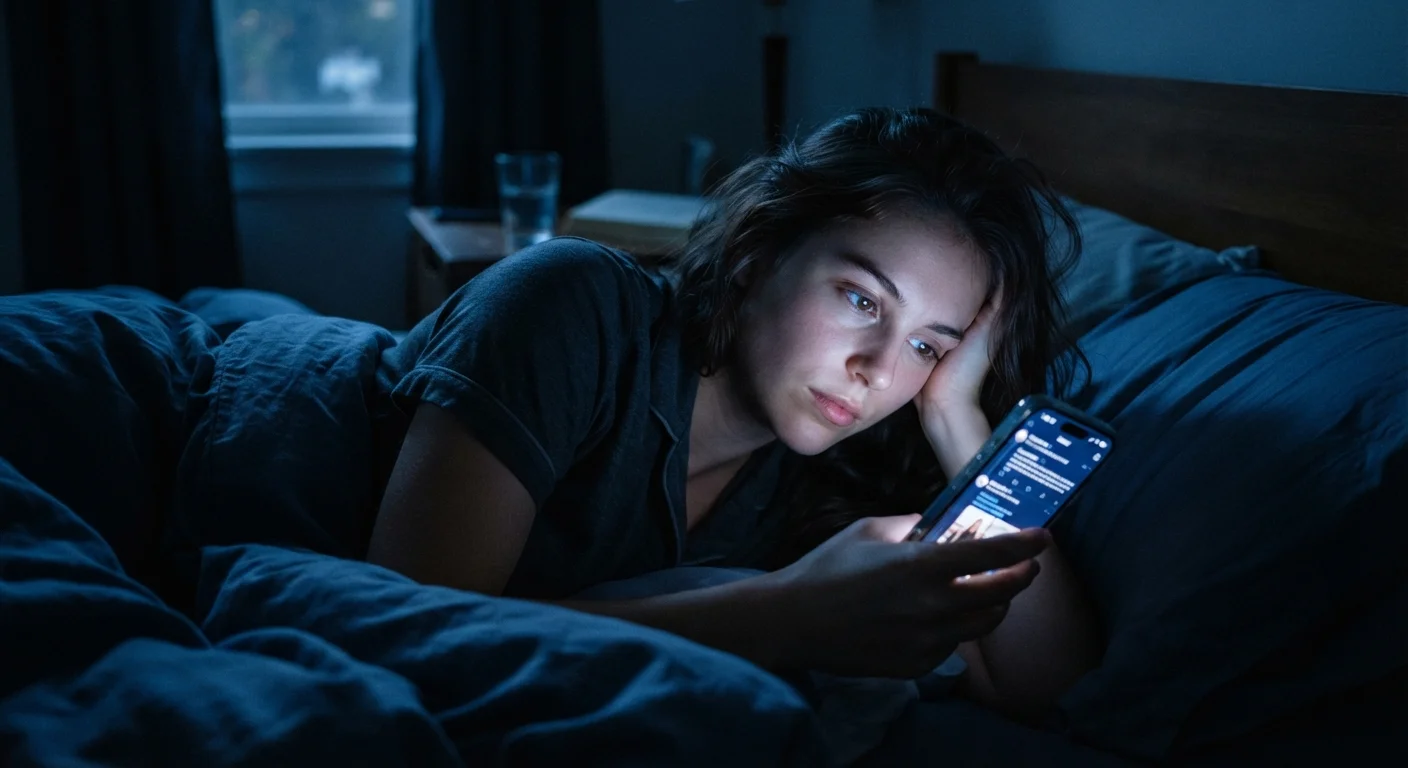
But the conversation has evolved considerably since the early blue-light studies. Sleep researchers now emphasize that the magnitude of the effect in real-world settings is frequently overstated, and that behavioral factors — mental arousal, social comparison from social media, or the alerting effect of engaging content — may be as disruptive, or more so, than the photons themselves.
Understanding what screens actually do (and don't do) to sleep is genuinely useful. It helps people make targeted changes rather than blanket bans that may not address the real culprit. For a broader look at the habits that shape nightly rest, see our guide to sleep hygiene.
Common Myths — and What the Evidence Actually Shows
Several widely repeated beliefs about screens and sleep don't hold up well under scrutiny. The myth-fact pairs below draw on published research and clinical sleep guidance to clarify what's established, what's overstated, and where genuine uncertainty remains.
Myth
Blue light from phones is the primary reason screens disrupt sleep.
Fact
Blue light is one contributing factor, but psychological arousal from engaging content is often a larger driver of sleep disruption.
Early laboratory studies used high-intensity light sources that don't closely resemble typical phone brightness in a dark bedroom. A 2021 analysis in Sleep Medicine Reviews concluded that the alerting and arousing nature of screen content — news feeds, social media, video games — plausibly explains more variance in sleep outcomes than light wavelength alone. Dimming your screen helps, but winding down the mental activity matters at least as much.
Myth
Blue-light-blocking glasses reliably improve sleep if worn in the evening.
Fact
Current evidence for blue-light-blocking glasses improving sleep in healthy adults is weak and inconsistent.
Multiple randomized controlled trials, including a well-cited 2021 study in Sleep Medicine, found no significant difference in sleep onset or quality between participants wearing blue-light-blocking lenses versus clear lenses during evening screen use. The American Academy of Sleep Medicine has stated that the evidence is insufficient to recommend these glasses specifically for sleep improvement. Reducing screen brightness and overhead lighting remains a more evidence-supported approach.
Myth
Any screen use within two hours of bed will significantly harm sleep.
Fact
The impact of pre-bed screen use varies considerably by content type, engagement level, individual sensitivity, and ambient light conditions.
Research indicates that passive, low-arousal screen use — such as watching a calm television program at a distance in a moderately lit room — produces smaller sleep disruptions than active, emotionally engaging use like social media scrolling or competitive gaming. Individual differences in circadian sensitivity also play a role. A rigid two-hour blanket rule is not well-supported across all populations; a tailored, behavior-aware approach is more consistent with the evidence.
Myth
Night mode or 'warm display' settings on phones largely eliminate the sleep-disrupting effects of screens.
Fact
Night mode reduces blue-light emission but does not eliminate the arousal and behavioral factors that disrupt sleep.
Night mode features shift screen color toward warmer wavelengths, which theoretically reduces melatonin suppression. However, a 2019 study published in Current Biology suggested that yellow-tinted screens may still signal wakefulness under certain conditions. More importantly, night mode does nothing to reduce the cognitive stimulation from engaging content. It is a modest tool, not a solution — and should not substitute for winding down the type and intensity of pre-sleep activity.
Myth
Children and teenagers are affected by evening screens in the same way adults are.
Fact
Adolescents appear more sensitive to evening light's circadian effects than adults, making screen timing particularly relevant for this group.
Puberty naturally shifts the circadian clock later — a phenomenon called sleep phase delay — making teenagers already prone to later sleep and wake times. Research suggests adolescents also show greater melatonin suppression in response to evening light compared with older adults. This combination makes evening screen use a more clinically meaningful concern for this age group. Parents and caregivers of children and teenagers should consult a pediatric healthcare provider for personalized guidance on screen habits and sleep.
For a deeper dive into how morning and evening light separately shape your body clock, see Morning Light vs. Evening Light.
What a Practical, Evidence-Informed Wind-Down Looks Like
Rather than fixating on a single variable like blue light, sleep medicine experts generally recommend building a wind-down routine that reduces overall physiological and cognitive arousal in the hour before bed. This might include dimming overhead lighting throughout the room — not only the phone screen — and choosing lower-stimulation content if screen use continues.
Consistency of sleep and wake timing is among the most robustly supported sleep hygiene behaviors in the research literature. The body clock responds strongly to predictability. Evening habits that erode that consistency — staying up late scrolling on weekends, for instance — may be more disruptive than the screen exposure itself.
If you regularly struggle with sleep despite reasonable habits, it's worth discussing this with a qualified healthcare provider. Cognitive behavioral therapy for insomnia (CBT-I) is the first-line, evidence-based treatment recommended by clinical guidelines, and it addresses the full behavioral picture rather than one device at a time. You can also explore evening habits that quietly work against restful sleep for a broader behavioral perspective.
This article is for general informational purposes only and does not constitute medical advice. If you have concerns about your sleep health, consult a qualified healthcare professional.