
What 'Sleep Hygiene' Actually Means
The phrase sleep hygiene trips many people up. It sounds like it's about showering before bed or keeping clean sheets — but in sleep science and clinical medicine, it means something specific and behavioral. Sleep hygiene is the collection of practices, routines, and environmental conditions that either support or undermine your ability to fall asleep, stay asleep, and wake feeling restored.
The concept draws on the broader public health meaning of hygiene: habitual behaviors that protect health. Just as dental hygiene protects teeth through daily brushing and flossing, sleep hygiene protects sleep quality through consistent daily behaviors. Many of those behaviors happen hours before you ever lie down. For a deeper dive into the language of sleep science, see the Sleep Science Glossary for plain-language definitions of key terms.
Sleep Hygiene vs. Sleep Disorders
Sleep hygiene addresses behavioral and environmental contributors to poor sleep, but it is not a treatment for clinical sleep disorders. Conditions such as obstructive sleep apnea, restless legs syndrome, and clinical insomnia disorder require professional diagnosis and targeted care. If hygiene improvements don't help after several weeks, or if symptoms are severe, speaking with a healthcare provider is the appropriate next step.
Why Sleep Hygiene Matters for Your Health
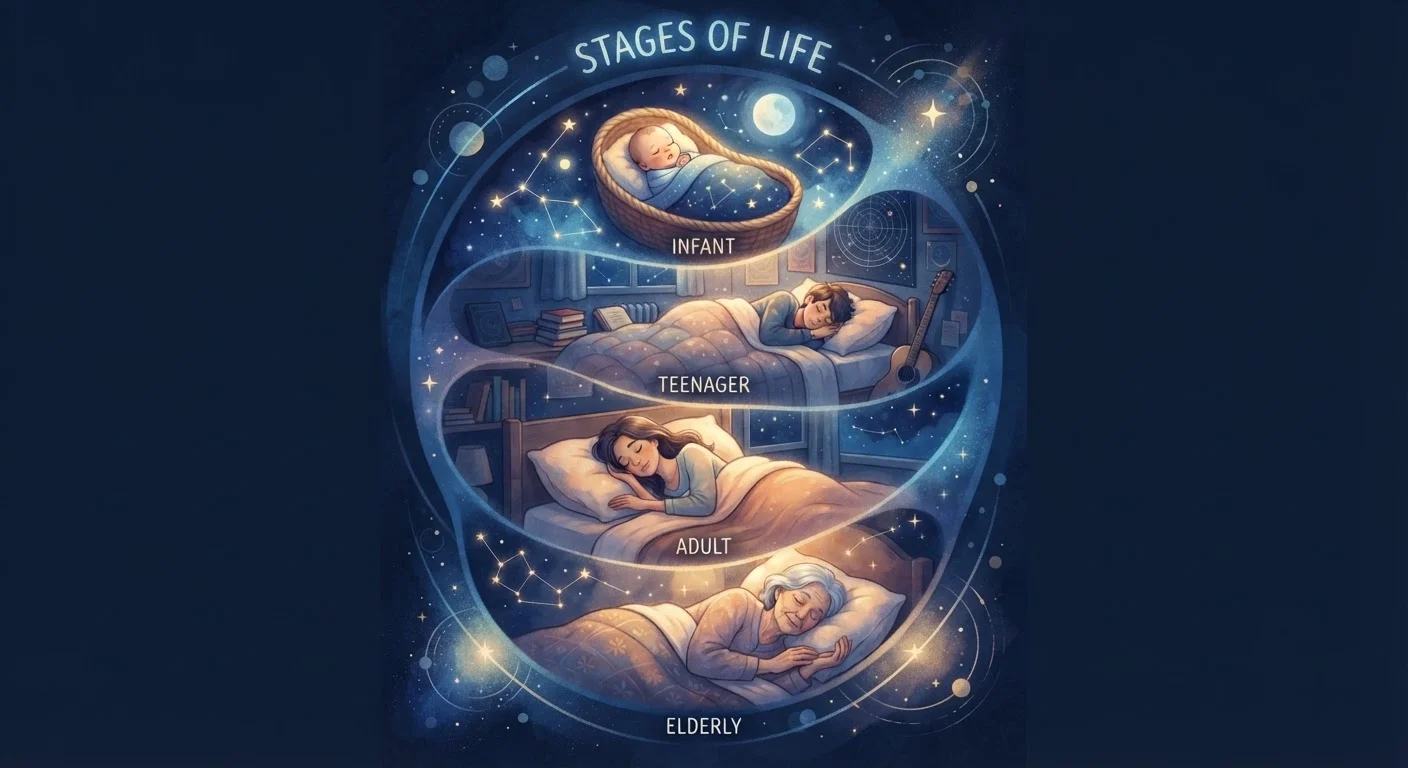
Sleep is not a passive state. During the night, your brain cycles through distinct stages — including deep slow-wave sleep and REM sleep — each serving critical biological functions: memory consolidation, immune regulation, cellular repair, and emotional processing. Disrupting these cycles consistently has measurable consequences for cognitive performance, mood, metabolic health, and cardiovascular function.
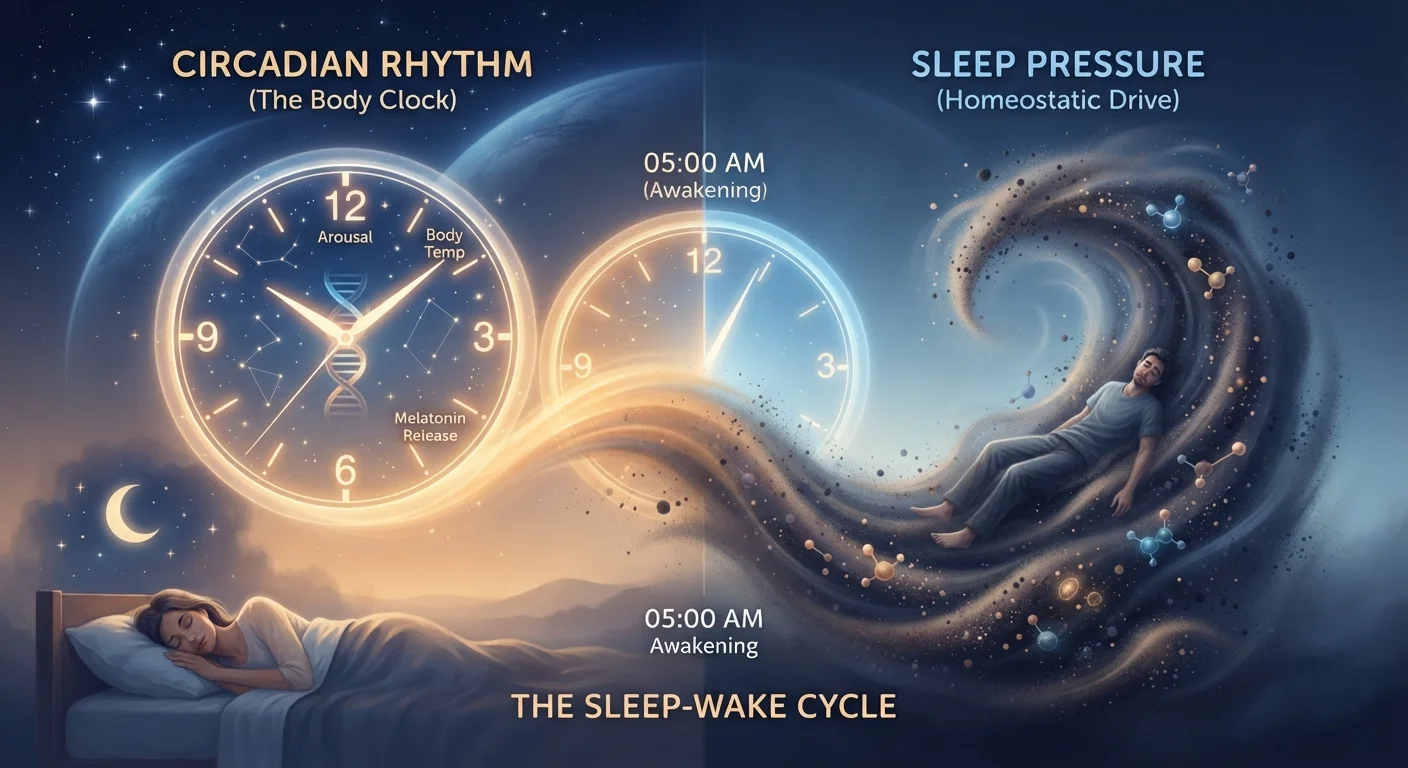
Sleep hygiene matters because the habits surrounding sleep directly influence how readily your brain and body can enter and sustain these restorative stages. The sleep science hub offers a broader look at the biology behind these processes. Daytime behaviors — when you consume caffeine, how much natural light you get, how regularly you exercise — prime your circadian system (your internal biological clock) for a smooth transition into sleep. Evening behaviors then determine whether your nervous system can sufficiently downshift to allow sleep onset.
1 in 3
U.S. adults getting insufficient sleep
According to the CDC, more than a third of American adults report regularly sleeping less than the recommended seven hours per night.
~5–6 hrs
Caffeine half-life in typical adults
Pharmacological data shows caffeine's half-life averages five to six hours, meaning a 3 p.m. coffee still has meaningful stimulant activity at 9 p.m.
CBT-I
First-line clinical treatment for insomnia
The American Academy of Sleep Medicine recommends Cognitive Behavioral Therapy for Insomnia (CBT-I) as the preferred first-line treatment over sleep medication for chronic insomnia.
Core Pillars of Sleep Hygiene
Research consistently groups effective sleep hygiene practices into a few key domains:
- Consistent sleep schedule: Going to bed and waking at roughly the same times daily — including weekends — anchors your circadian rhythm and reduces the time it takes to fall asleep.
- Light management: Morning light exposure reinforces wakefulness and sets the circadian clock; dimming lights and limiting blue-spectrum screens in the evening supports natural melatonin rise. Our article on bedroom environment design covers the research on light, temperature, and noise in detail.
- Caffeine and alcohol timing: Caffeine has a half-life of roughly five to six hours in most adults, meaning a mid-afternoon coffee can still affect sleep onset. Alcohol, while sedating initially, fragments sleep architecture in the second half of the night.
- Bedroom environment: A cool, dark, and quiet sleeping space reduces arousal signals that compete with sleep onset.
- Pre-sleep wind-down: A consistent buffer period of low stimulation — reading, light stretching, or relaxation practices — signals to the nervous system that sleep is approaching.
For a closer look at which of these practices have the strongest research backing, see evidence-based sleep habits.
What Sleep Hygiene Is Not
Sleep hygiene is sometimes oversimplified into a checklist of rigid rules, which can backfire — particularly for people who develop anxiety about following those rules perfectly. Clinical experts, including those working within CBT-I frameworks, are careful to position sleep hygiene as a foundation, not a cure-all.
If you find yourself lying awake worrying about whether you've done everything right, that cognitive arousal is itself a sleep disruptor. Sleep hygiene is meant to reduce friction, not create new pressure. It's also worth knowing that some habits feel like they should help but actually work against rest. Evening habits that quietly erode sleep quality are worth reviewing alongside any new routine you're building.
For those with chronic insomnia, sleep apnea, restless legs syndrome, or other diagnosable conditions, hygiene improvements alone are unlikely to be sufficient. These conditions require professional evaluation and, often, targeted clinical treatment. This article is general health information and is not a substitute for medical advice. If you have persistent sleep concerns, please consult a qualified healthcare professional.
Building Habits That Actually Stick
Understanding sleep hygiene is the starting point — applying it consistently is where most people need support. Research on habit formation suggests that starting with one or two high-leverage changes (such as a fixed wake time or cutting caffeine after noon) tends to produce better long-term adherence than overhauling every behavior at once.
Tracking how you feel after a week of consistent changes — energy levels, mood, how quickly you fell asleep — gives useful feedback and builds motivation to continue. For a structured, practical approach to putting these principles into an evening routine, building a nightly routine that actually sticks offers layered, evidence-informed guidance you can adapt to your schedule.
“Sleep hygiene is necessary but not sufficient for treating insomnia. It sets the stage, but the real work often happens in addressing the cognitive and physiological arousal that keeps people awake.”
— American Academy of Sleep Medicine, Clinical guidelines on insomnia treatment and CBT-I