What the Microbiome Actually Contains
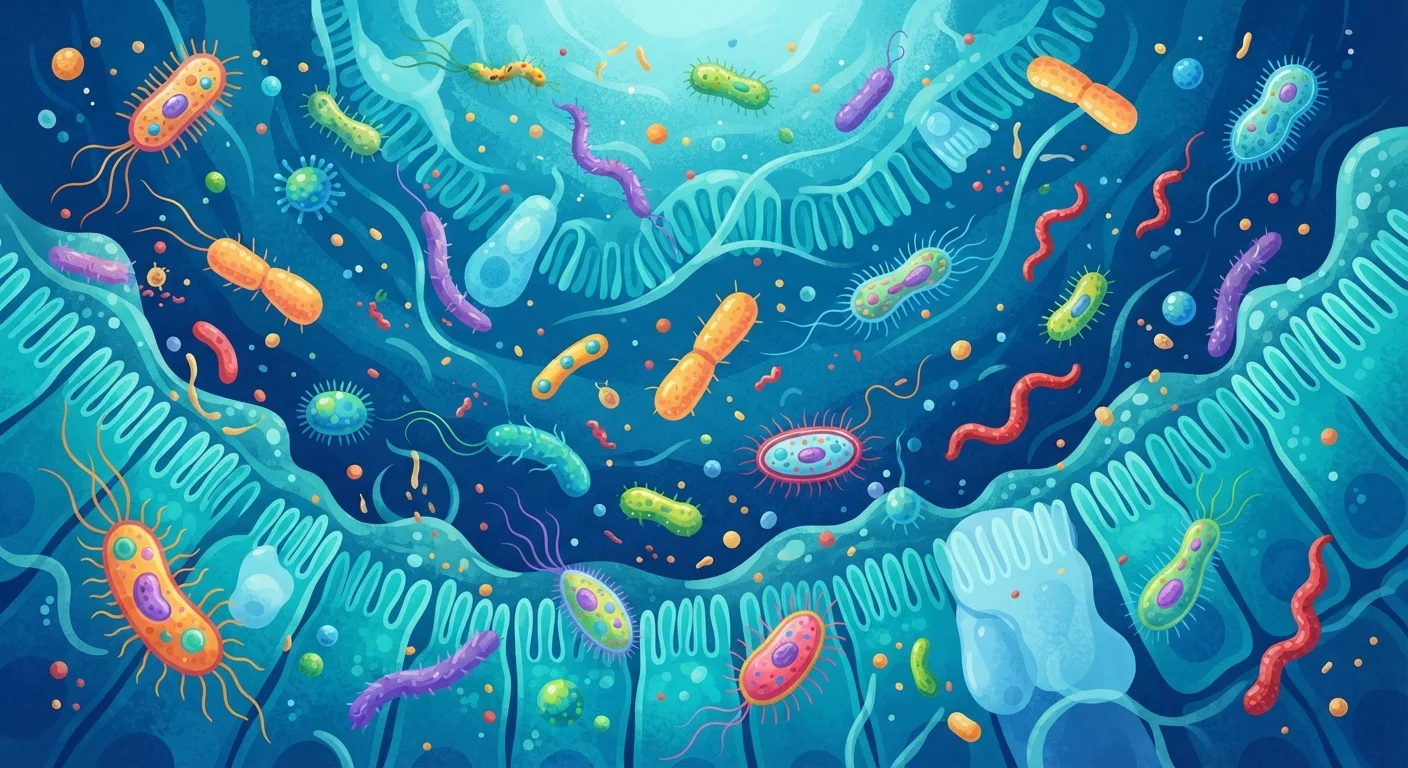
Most people have heard that gut bacteria matter for health, but the microbiome is considerably larger and more complex than any single category of microbe. Scientists estimate the human gut alone houses roughly 38 trillion microbial cells — a figure comparable to the total number of human cells in the body. These include hundreds of bacterial species alongside viruses (including bacteriophages that target bacteria), fungi, and single-celled organisms called archaea.
Each body site hosts its own distinct microbial community. The oral microbiome differs from the gut microbiome. The skin hosts communities shaped by moisture, temperature, and sun exposure. Even the lungs, once thought to be sterile, harbor a microbiome. The gut, however, commands the most research attention due to both its sheer microbial density and its proximity to immune tissue. For a grounded look at the key vocabulary researchers use, see our reference glossary of gut and immune health terms.
How the Microbiome Develops — and What Shapes It
Microbial colonization begins at birth. Babies delivered vaginally are exposed to maternal vaginal and fecal microbes, seeding their initial communities, while those born by cesarean section acquire microbes primarily from skin and the surrounding environment. Breastfeeding introduces additional bacteria, including species that help digest human milk oligosaccharides — complex sugars present specifically to feed beneficial microbes, not the infant.
Through early childhood, the microbiome diversifies rapidly. By age three, it broadly resembles an adult profile, though it continues shifting throughout life. Key factors that shape microbial composition include:
- Diet: The single most modifiable factor in adults. Fiber fermented by gut bacteria produces short-chain fatty acids that support intestinal lining integrity and immune signaling.
- Antibiotic use: Antibiotics can rapidly reduce microbial diversity, with recovery sometimes taking months and occasionally incomplete.
- Stress and sleep: Chronic stress and poor sleep are associated with altered gut microbial profiles, though the mechanisms remain under active investigation.
- Geographic and environmental factors: People living in different regions, with different diets and environmental exposures, show markedly different microbiome compositions.
~38 trillion
Microbial cells in the human body
Estimates from a 2016 analysis published in Cell suggest microbial cells roughly equal — and may slightly outnumber — human cells.
~70%
Immune tissue located in the GI tract
A broadly cited figure in immunology reflecting the concentration of gut-associated lymphoid tissue (GALT) along the gastrointestinal tract.
500–1,000+
Bacterial species identified in the human gut
According to NIH Human Microbiome Project data, the number of bacterial species identified varies widely by individual and methodology.
Why It Matters Beyond Digestion
The microbiome's influence extends well beyond breaking down food. Approximately 70 percent of the body's immune tissue lines the gastrointestinal tract, and gut microbes interact continuously with this immune infrastructure. They help train the immune system to distinguish between harmful pathogens and harmless substances — a process that begins in early life and has lifelong implications for immune regulation.
Research has also identified a gut-brain axis: a two-way communication pathway between the gut and the central nervous system, mediated in part by the vagus nerve and microbial metabolites. Disruption of this communication has been studied in the context of mood disorders, though this field remains preliminary and findings should not be interpreted as clinical guidance.
Metabolically, gut microbes influence how efficiently calories are extracted from food, how bile acids are recycled, and how certain vitamins — including some B vitamins and vitamin K — are synthesized. This intersects with broader topics like how metabolism actually functions in the body. For an overview of what specific nutrients do once inside the body, our article on what micronutrients actually do provides helpful context.
What Dysbiosis Means — and the Limits of Current Evidence
When the microbial community shifts away from its typical composition — losing diversity, or allowing certain species to overgrow — researchers call this dysbiosis. Dysbiosis has been observed alongside conditions including inflammatory bowel disease, irritable bowel syndrome, type 2 diabetes, and obesity. However, the relationship is often correlational: researchers can see that dysbiosis and disease appear together, but demonstrating that one causes the other is considerably harder to establish.
This distinction matters for how readers interpret microbiome health claims. While the science is genuinely compelling, many consumer products marketed around microbiome health — certain probiotics, prebiotics, or dietary regimens — are ahead of what clinical evidence fully supports. Researchers acknowledge that no universally "ideal" microbiome has been defined; what constitutes healthy diversity appears to vary meaningfully between individuals and populations.
For those interested in how day-to-day eating interacts with gut health, our article on what everyday eating patterns actually influence in the gut covers the research grounded in realistic dietary patterns rather than supplements. The longer arc of how this plays out over a lifetime is explored in our piece on gut health and aging.
This article is for general health information and educational purposes only and does not constitute medical advice. Consult a qualified healthcare provider for guidance specific to your health situation.