The Four Numbers on Every Cholesterol Report
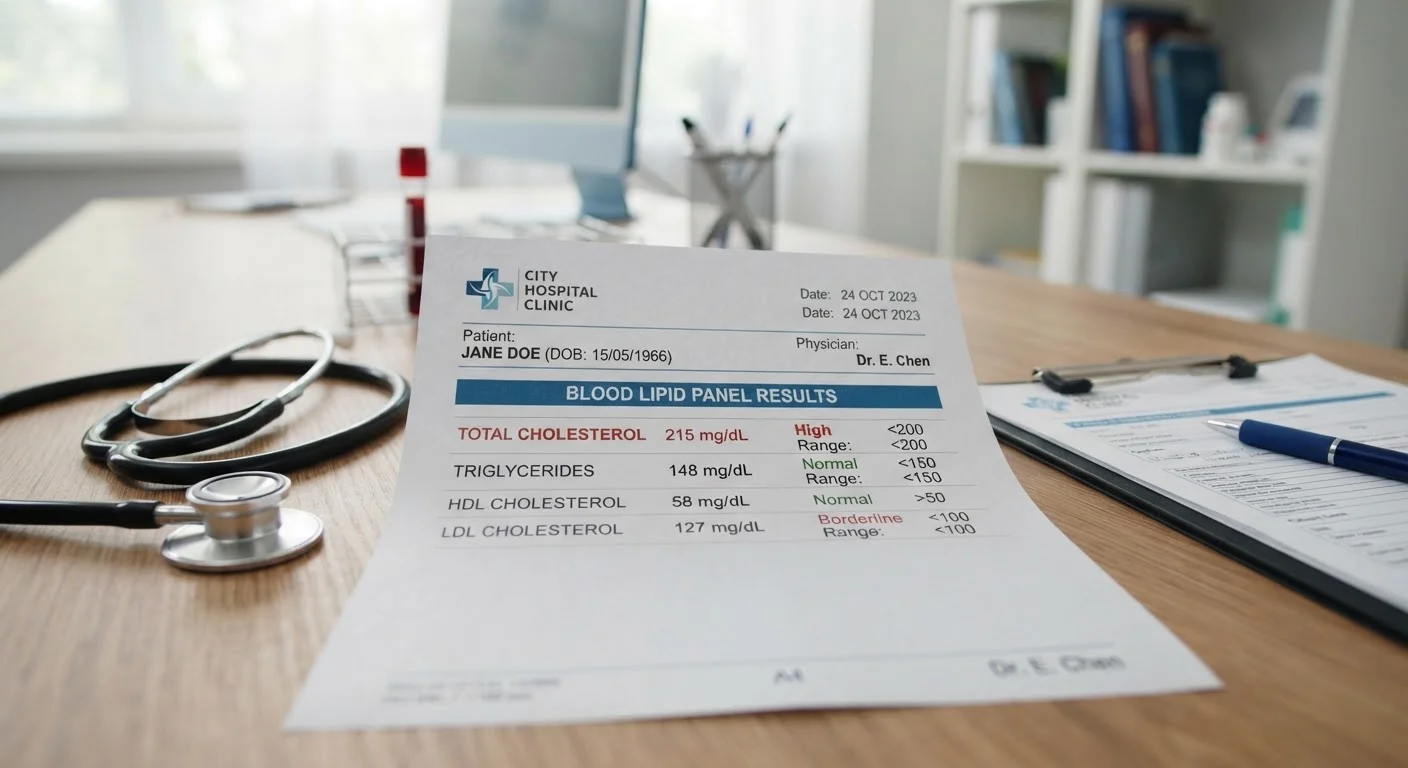
When your doctor orders a lipid panel, you receive four distinct measurements — not a single "cholesterol score." Each value tells a different story about how fats are moving through your cardiovascular system.
- Total Cholesterol: The sum of all cholesterol types in your blood. Useful as a broad signal but rarely interpreted alone.
- LDL (Low-Density Lipoprotein): Often called "bad" cholesterol, LDL carries cholesterol into artery walls where it can accumulate as plaque. It is the primary target of most cholesterol-lowering interventions.
- HDL (High-Density Lipoprotein): Often called "good" cholesterol, HDL transports cholesterol away from the arteries and toward the liver for removal. Higher HDL is generally protective.
- Triglycerides: A type of fat derived partly from dietary calories. Elevated triglycerides are linked to metabolic syndrome, insulin resistance, and cardiovascular risk — especially when combined with low HDL.
Understanding what each number represents is the first step toward having a meaningful conversation with your healthcare provider about your results.
Reference Ranges: What the Thresholds Actually Mean
Clinical guidelines published by organizations like the American Heart Association (AHA) and the National Institutes of Health (NIH) provide widely used reference ranges for adults:
| Measurement | Desirable | Borderline / At Risk | High / Concern |
|---|---|---|---|
| Total Cholesterol | Less than 200 mg/dL | 200–239 mg/dL | 240 mg/dL or above |
| LDL Cholesterol | Less than 100 mg/dL | 130–159 mg/dL | 160 mg/dL or above |
| HDL Cholesterol | 60 mg/dL or above | 40–59 mg/dL | Below 40 mg/dL (men) |
| Triglycerides | Less than 150 mg/dL | 150–199 mg/dL | 200 mg/dL or above |
These thresholds are starting points, not verdicts. A person with an LDL of 135 mg/dL who smokes and has high blood pressure faces a very different risk profile than someone with identical LDL but no other risk factors. Your provider will weigh your results within the broader context of your health history.
86M+
U.S. adults with high or borderline-high cholesterol
According to CDC data, more than 86 million American adults have total cholesterol above 200 mg/dL.
Less than 50%
Adults with high LDL who have it under control
The CDC reports that fewer than half of adults with high LDL cholesterol are receiving treatment to manage it.
Every 4–6 years
Recommended screening frequency for healthy adults
CDC guidance recommends cholesterol testing at least once every 4–6 years for adults without known risk factors.
Who Should Be Screened and When
The U.S. Preventive Services Task Force (USPSTF) and the CDC recommend routine cholesterol screening for adults based on age and individual risk factors. General guidance includes:
- Men ages 35 and older: Routine screening is recommended.
- Women ages 45 and older: Routine screening is recommended.
- Younger adults (men 20–35, women 20–45): Screening is recommended if there is increased risk — such as a family history of early heart disease, diabetes, hypertension, or tobacco use.
- Children and adolescents: Targeted screening may be advised for those with a strong family history of high cholesterol or premature cardiovascular disease. Consult a pediatrician for guidance specific to your child.
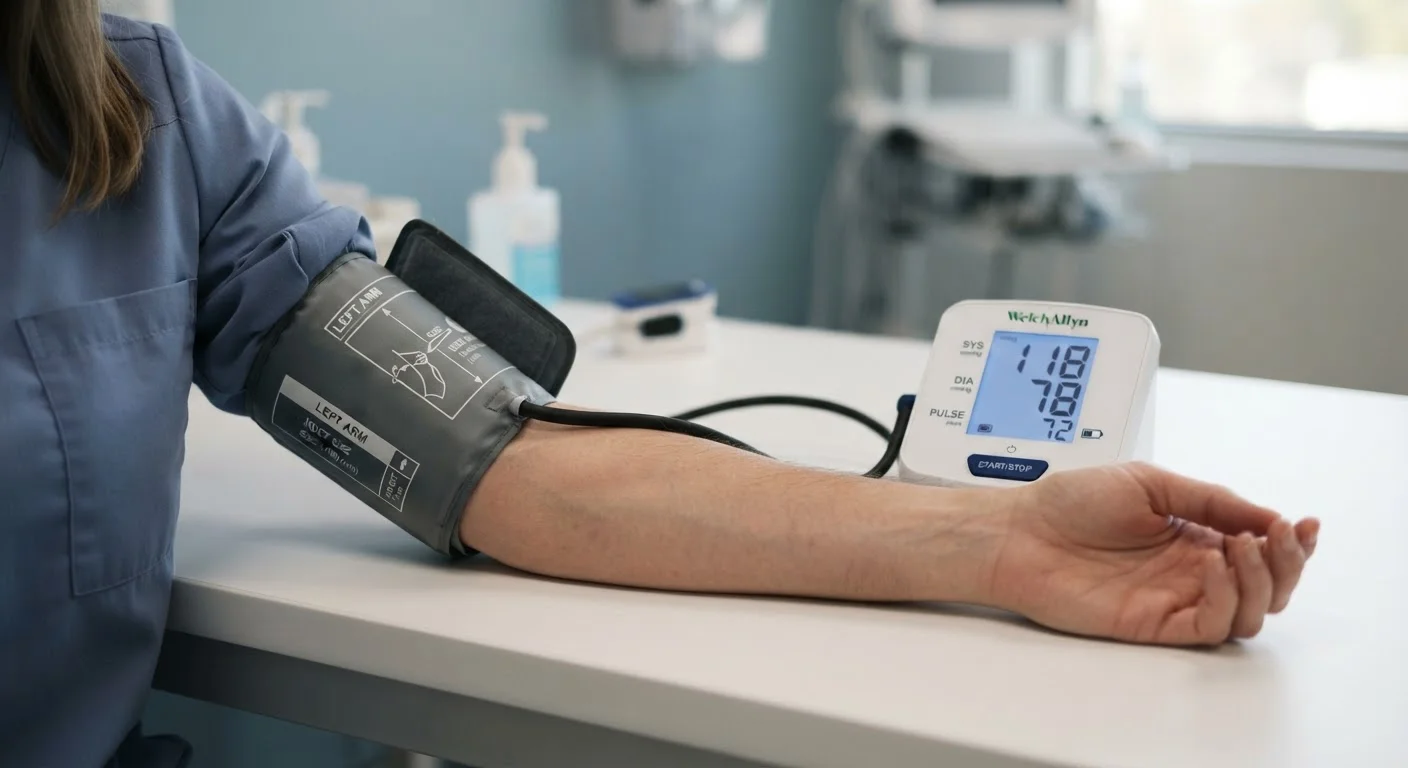
If you already have cardiovascular disease or are on cholesterol-lowering medication, more frequent testing is typically warranted. Speak with your doctor to establish the right interval for your situation. Cholesterol screening works best as part of a broader preventive picture — pairing it with blood pressure monitoring and diabetes screening gives your provider a more complete view of cardiovascular risk.
Lifestyle Factors That Influence Your Numbers
Cholesterol levels are shaped by both genetics and everyday habits. While you cannot change your genetic predisposition, several modifiable factors consistently influence lipid levels according to established research:
- Dietary fat quality: Saturated fats (found in red meat and full-fat dairy) raise LDL; replacing them with unsaturated fats tends to lower it. Learning to read nutrition labels can make this shift more practical — the food label literacy guide explains how to identify fat types on packaged food.
- Soluble fiber intake: Foods like oats, legumes, and certain fruits have evidence supporting modest LDL reduction.
- Physical activity: Regular aerobic exercise is associated with raising HDL and lowering triglycerides.
- Body weight: Excess weight — particularly abdominal fat — is linked to higher triglycerides and lower HDL. Body composition metrics can provide useful context here.
- Smoking: Tobacco use lowers HDL and damages artery walls, compounding LDL-related risk.
- Alcohol: Heavy consumption raises triglycerides; moderate intake has a mixed evidence profile.
Lifestyle changes can make a real but often modest difference. For individuals with significantly elevated LDL or high baseline cardiovascular risk, medication may be necessary and appropriate — a decision made with your healthcare provider.
This article is for general informational purposes only and does not constitute medical advice. Always consult a qualified healthcare professional for guidance specific to your health situation.