
Why Screenings Change With Age
Preventive screenings are not one-size-fits-all checkups. The tests your clinician recommends at 28 differ substantially from those at 55 or 72 — and for good reason. Disease risk shifts across the lifespan based on cumulative exposures, hormonal changes, and the natural biology of aging. A screening offered too early may produce false positives without meaningful benefit; offered too late, the same test may miss a window when intervention is most effective.
The complete preventive screening guide for adults covers the full landscape of adult testing. This reference focuses specifically on how recommendations evolve decade by decade, using guidance primarily from the USPSTF and major clinical organizations.
| Primary screening authority | U.S. Preventive Services Task Force (USPSTF) (USPSTF publishes evidence-based screening recommendations for U.S. adults) |
| Colorectal cancer screening start age | 45 (average risk) (USPSTF, updated 2021) |
| Cervical cancer screening interval | Every 3–5 years, depending on test type (USPSTF recommendation) |
| Breast cancer mammography start age | 40 (USPSTF recommends starting no later than 50) (USPSTF, 2024 update) |
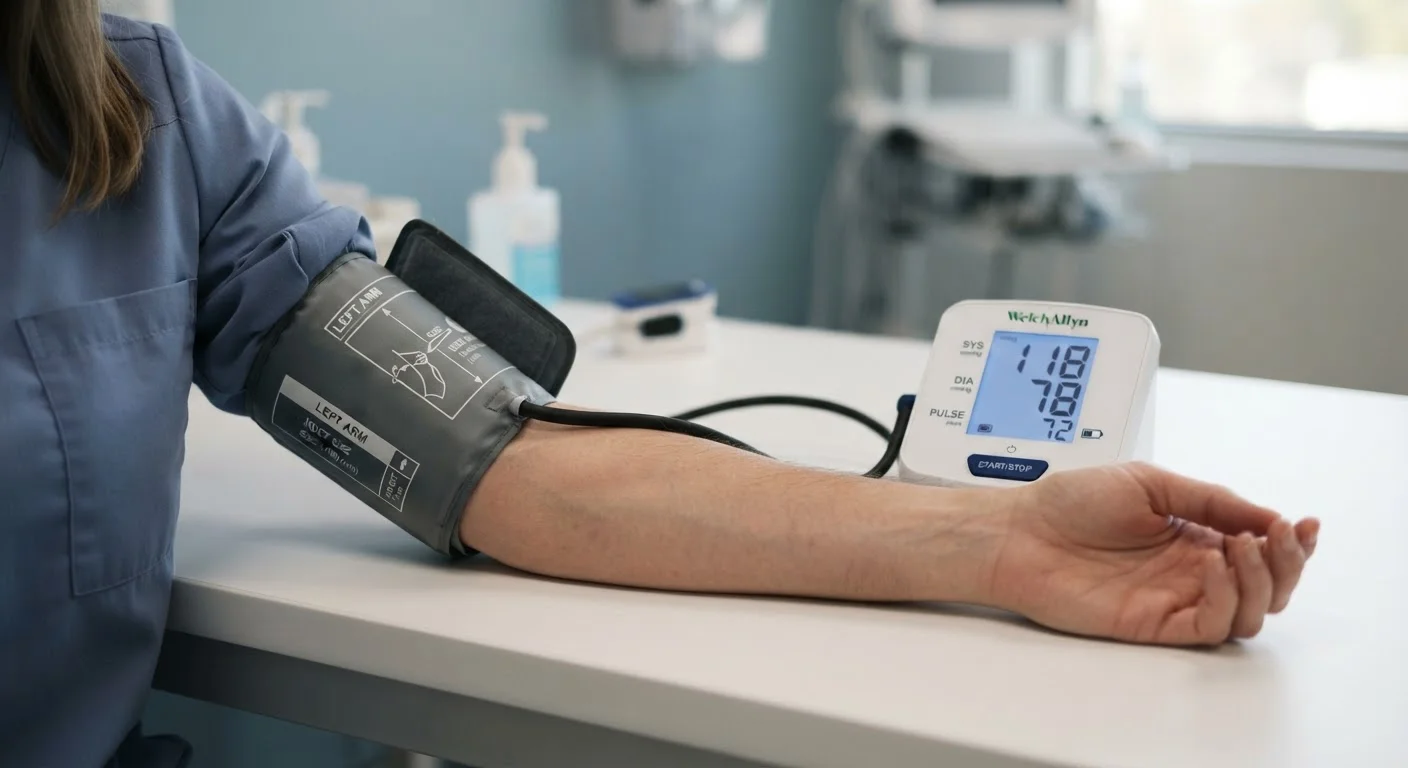
| Blood pressure check frequency | At least every year for adults 40+ (American Heart Association guidance) |
| Lung cancer screening eligibility | Adults 50–80 with a 20 pack-year smoking history (USPSTF recommendation) |
This article is for general health information only and is not a substitute for personalized medical advice. Talk with a qualified healthcare provider to determine which screenings are appropriate for your age, sex, family history, and individual risk factors.
Your 20s and 30s: Establishing a Baseline
Many adults in this age group feel too healthy to warrant routine screening — but that assumption carries real risk. Screenings commonly skipped by adults under 40 outlines the specific tests most often deferred and why timing matters.
Core screenings during these decades typically include:
- Blood pressure: Checked at least every two years if readings are normal; annually or more if elevated. Hypertension is often asymptomatic.
- Cholesterol (lipid panel): Most guidelines recommend a baseline lipid check by age 35 for men and earlier for those with risk factors. Women with low risk may begin later.
- Cervical cancer (Pap smear / HPV co-test): Women should begin Pap smears at 21, repeated every three years. After 30, an HPV co-test every five years is an accepted alternative.
- STI screening: The USPSTF recommends screening sexually active women under 25 for chlamydia and gonorrhea annually; adults at elevated risk at any age.
- Diabetes screening: Recommended for adults who are overweight or obese, beginning at age 35 in average-risk individuals.
Family history of early-onset heart disease, cancer, or genetic conditions may shift all of these timelines earlier. Discuss your personal history openly with your provider.
Your 40s and 50s: The Decade of Expanding Risk
This is where the screening calendar expands most meaningfully. Cumulative exposures and hormonal transitions begin influencing disease risk in measurable ways, making mid-life the most consequential window for early detection.
Key additions and changes during these decades:
- Colorectal cancer: Average-risk adults should begin screening at 45. Options include annual stool-based tests or a colonoscopy every ten years. Discuss which approach fits your risk profile and preferences.
- Breast cancer: The USPSTF's 2024 update recommends that women begin mammography at 40. Annual or biennial schedules depend on individual risk. Women with dense breast tissue or a family history may need additional imaging.
- Lung cancer: Adults ages 50–80 with a 20 pack-year smoking history who currently smoke or quit within the past 15 years qualify for annual low-dose CT screening under USPSTF guidance.
- Diabetes: All adults 35–70 who are overweight or obese should be screened; frequency depends on prior results.
- Blood pressure and cholesterol: Annual monitoring becomes standard for most adults in their 40s and 50s, especially as cardiovascular risk accumulates.
The cognitive and lifestyle habits that support long-term health in this window are explored in our guide on brain health habits worth building in your 40s, 50s, and 60s.
Your 60s, 70s, and Beyond: Shifting Priorities
Screening in later decades involves a more individualized calculus. Some tests — like cervical cancer screening — conclude at 65 for those with a history of normal results. Others, such as bone density and abdominal aortic aneurysm testing, become newly relevant.
Notable changes and additions:
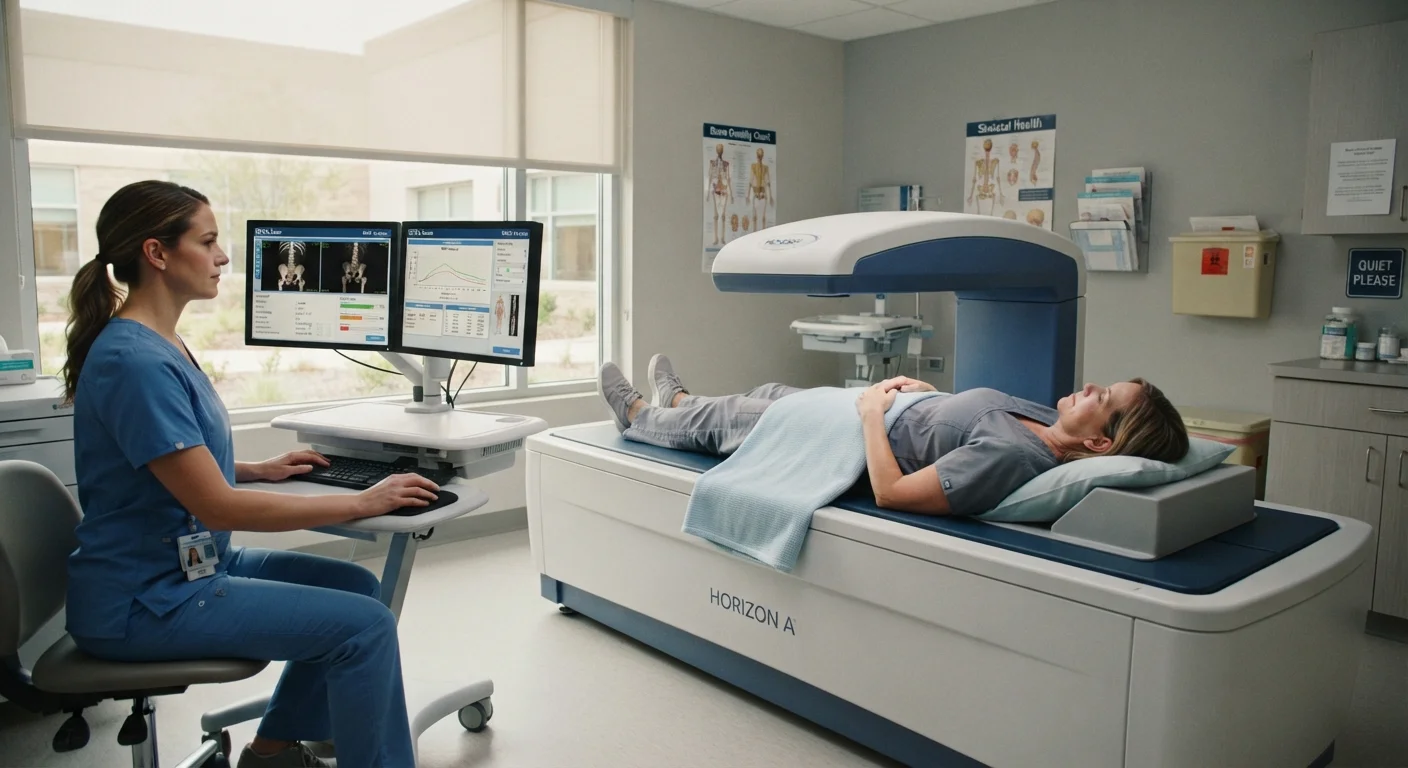
- Bone density (DEXA scan): Recommended for all women at 65; men with elevated fracture risk should discuss screening with their provider. Osteoporosis is largely silent until a fracture occurs.
- Abdominal aortic aneurysm (AAA): A one-time abdominal ultrasound is recommended for men ages 65–75 who have ever smoked. Risk in this population is substantially elevated.
- Cervical cancer screening ends: Women 65+ with adequate prior normal screening history no longer require routine Pap or HPV testing per USPSTF guidelines.
- Vision and hearing: While formal USPSTF recommendations are limited, clinical practice widely supports annual assessments given the link between sensory decline and fall risk and cognitive change.
- Cognitive assessment: There is no current USPSTF recommendation for routine cognitive screening in asymptomatic adults, but clinicians often incorporate brief assessments at wellness visits for older patients.
For adults managing these transitions alongside daily habit changes, see our resource on longevity habits across every decade. As with all screening decisions at this stage, benefits, harms, and life expectancy should be weighed with your care team — particularly for older adults managing multiple chronic conditions.
USPSTF
The U.S. Preventive Services Task Force — an independent panel of national experts that issues evidence-based recommendations on preventive services for adults and children.
Baseline screening
An initial test performed at a defined age to establish a reference point for future comparisons, even in the absence of symptoms.
Pack-year
A measure of cigarette exposure calculated by multiplying the number of packs smoked per day by years smoked. Used to determine lung cancer screening eligibility.
Colonoscopy
A procedure that uses a flexible camera to examine the entire large intestine for polyps or cancer. One of several accepted colorectal screening methods.
Bone density scan (DEXA)
A low-dose X-ray test that measures bone mineral density to assess fracture risk. Recommended for women beginning at age 65 and for men at higher risk.
Lipid panel
A blood test measuring total cholesterol, LDL, HDL, and triglycerides — key markers of cardiovascular disease risk.