
What Actually Happens During a Physical
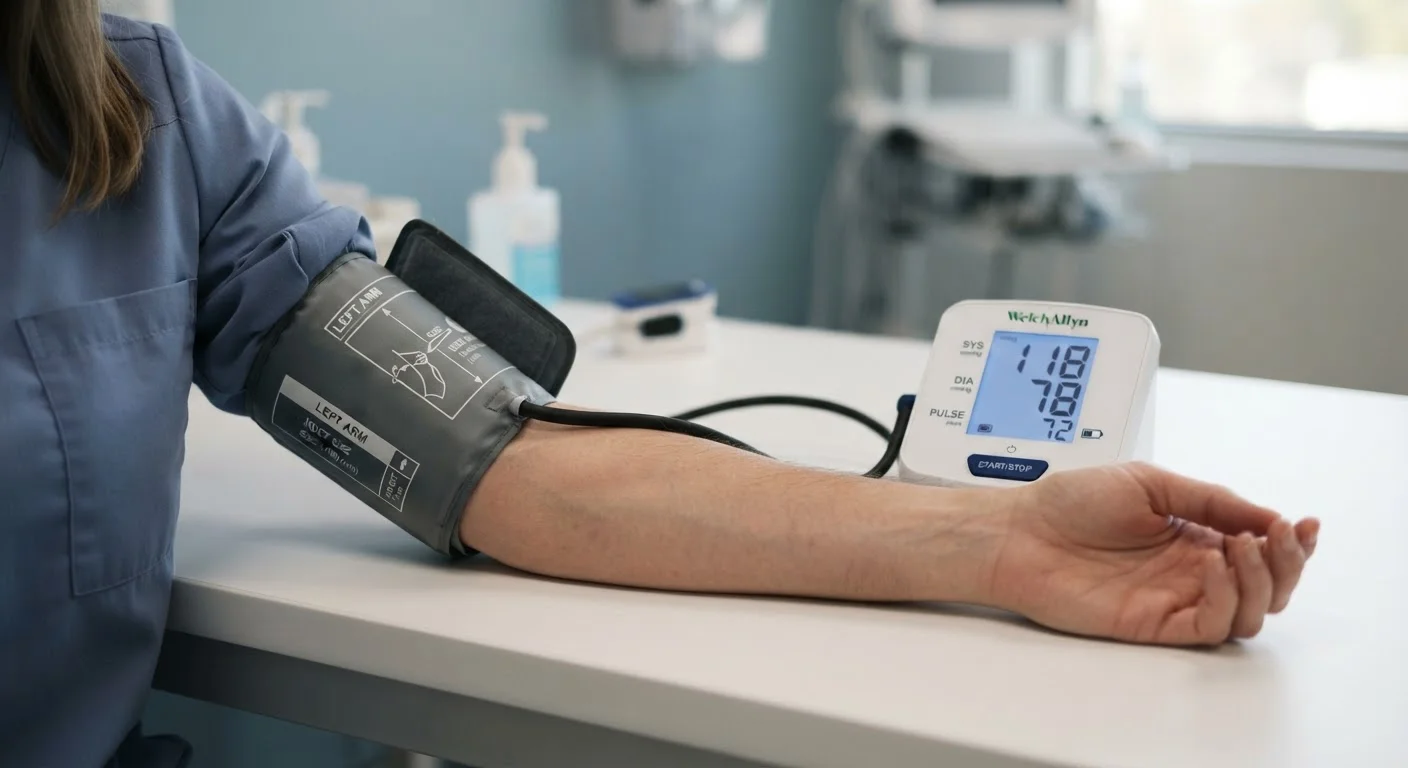
A standard annual physical is more structured than most people realize. Your provider will typically begin by reviewing your medical history, current medications, and any changes in your family health history since your last visit. Vital signs — blood pressure, heart rate, weight, and temperature — are recorded to establish or update your baseline.
The clinical exam follows: your doctor will listen to your heart and lungs, palpate your abdomen, assess reflexes, and examine your skin. Depending on your age and sex, a genital, prostate, or pelvic exam may be included. Lab work — most commonly a lipid panel, metabolic panel, and blood glucose test — is often ordered at or before the visit.
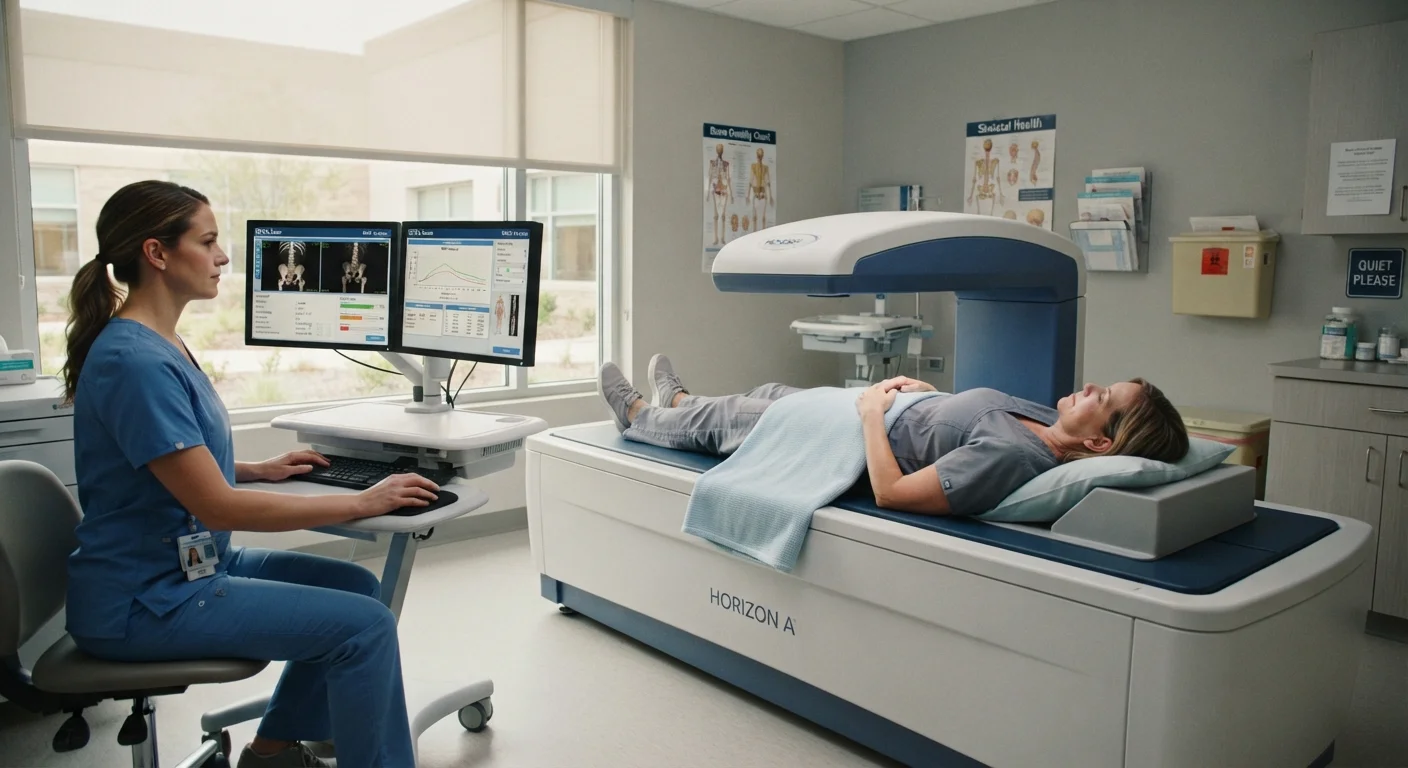
Preventive screenings are then layered in based on USPSTF guidelines. A 45-year-old may be offered a colorectal cancer screening referral; a 65-year-old woman may receive a bone density assessment recommendation. Vaccinations are reviewed, and any gaps in immunization are addressed. See what to expect at your first adult physical if you're unfamiliar with the process.
Why Asymptomatic Doesn't Mean Risk-Free
The most consequential reason to attend annual physicals is simple: the conditions that kill Americans most often don't announce themselves early. Hypertension affects roughly one in three U.S. adults, yet it is frequently called the "silent killer" because it rarely causes symptoms until it has already caused arterial damage, heart disease, or stroke. The same is true of prediabetes, high LDL cholesterol, and early-stage colorectal cancer.
~45%
U.S. adults with hypertension
According to CDC data, nearly half of American adults have high blood pressure, and many are unaware of it.
96%
5-year survival rate for localized colorectal cancer
The American Cancer Society reports that colorectal cancer caught at a localized stage has a roughly 96% five-year relative survival rate — compared to about 13% when diagnosed at a distant stage.
1 in 3
U.S. adults with prediabetes
CDC estimates indicate approximately 96 million American adults have prediabetes, and more than 80% do not know they have it.
Detection during a routine visit — before a crisis forces the issue — creates an entirely different treatment landscape. A patient identified with prediabetes through a routine fasting glucose test has time to make meaningful lifestyle changes that can prevent or delay the progression to type 2 diabetes. A patient who first learns their blood pressure is dangerously elevated in the emergency room has far fewer options at that moment.
This is why clinical guidelines don't wait for symptoms. They are calibrated to the natural history of disease — the window during which intervention produces the greatest benefit. Annual physicals are the mechanism for meeting that window.
Age-Based Screening: What Changes Over Time
Preventive screening isn't static. What your provider checks at 28 differs meaningfully from what they prioritize at 48 or 68. Understanding the general framework helps you know what to expect and what to advocate for.
- 20s and 30s: Blood pressure, cholesterol baseline, sexually transmitted infection screening if indicated, cervical cancer screening (Pap smear) beginning at age 21, and discussions about reproductive and mental health. Low-risk adults in this range may not require annual visits, but a provider should set that schedule.
- 40s: Diabetes screening, breast cancer screening discussions (mammography recommendations have evolved — your provider can explain current USPSTF guidance), and colorectal cancer screening starting at age 45.
- 50s and 60s: Continued colorectal screening, lung cancer screening with low-dose CT for eligible current or former smokers, abdominal aortic aneurysm screening for men who have ever smoked, and bone density evaluation for women approaching or past menopause.
Readers who want to understand which screenings are most commonly deferred — and why that carries risk — can review screenings commonly skipped by adults under 40.
The Hidden Costs of Skipping Checkups
Deferring preventive care is rarely cost-neutral. When conditions are caught later — at a more advanced stage — treatment is almost always more intensive, more expensive, and more disruptive to daily life. A colonoscopy that removes a precancerous polyp costs a fraction of stage III colorectal cancer treatment. A blood pressure medication started early can prevent a stroke that requires months of rehabilitation.
There are also systemic patterns worth noting. Men are statistically less likely than women to attend routine checkups, a disparity that contributes to measurably worse health outcomes across several chronic disease categories. Why men delay preventive screenings explores this pattern in more depth.
For insured Americans, cost should rarely be a barrier to the visit itself. The Affordable Care Act mandates that USPSTF Grade A and B preventive recommendations be covered without cost-sharing. Understanding what your plan covers — and using it — is a straightforward health investment.
This article is for general informational and educational purposes only and does not constitute medical advice. Always consult a qualified healthcare professional for guidance specific to your health history and circumstances.