
Why Sleep Alone Isn't Enough After Sustained Stress
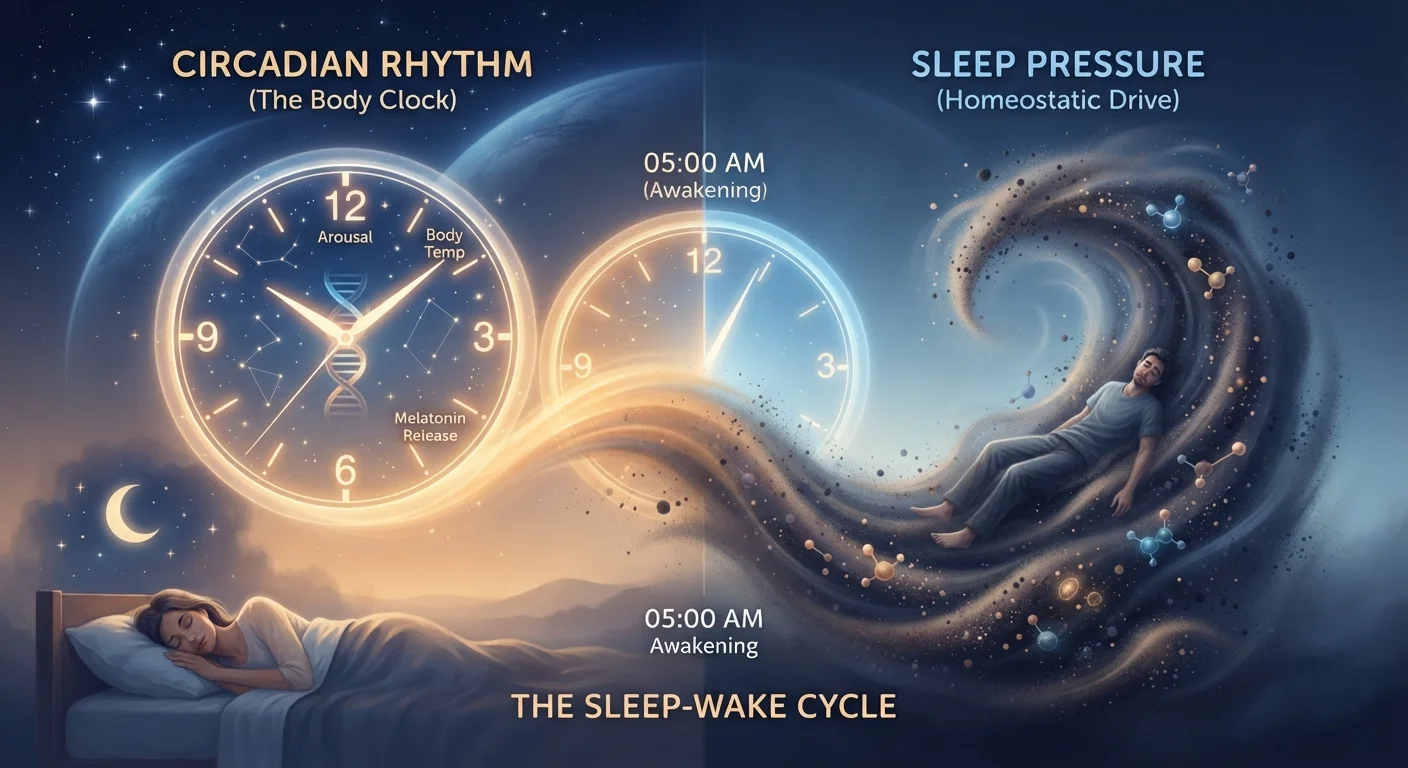
After a high-pressure period — a difficult work sprint, a family crisis, or prolonged uncertainty — many people expect that a few good nights of sleep will reset them. But psychological fatigue operates on different mechanisms than physical tiredness. While sleep remains foundational (see how sleep shapes emotional resilience), it addresses only part of what's depleted.
Sustained stress keeps the hypothalamic-pituitary-adrenal (HPA) axis activated, elevating cortisol and maintaining a low-grade state of physiological vigilance. Even when sleep hours are adequate, the nervous system may remain stuck in a sympathetic-dominant pattern — alert, reactive, and slow to restore executive function. Cognitive resources including working memory, flexible thinking, and emotional regulation require targeted recovery strategies beyond rest alone. Understanding the cortisol-recovery relationship helps clarify why this happens at a biological level.
Evidence-Informed Recovery Practices
The following strategies are grounded in psychological and neuroscientific research. None are substitutes for professional support when symptoms are severe or persistent — this information is educational, not medical advice. If you are experiencing prolonged distress, please consult a qualified healthcare provider.
Schedule unstructured time with no goal or output
Attention Restoration Theory, developed by Rachel and Stephen Kaplan, proposes that directed attention — the kind used during problem-solving and decision-making — has a finite capacity that replenishes during effortless, non-goal-directed experience. Forcing productivity through fatigue compounds depletion. Deliberately protecting time with no agenda allows prefrontal cortex resources to recover.
Use controlled breathwork to shift out of sympathetic dominance
Slow, extended exhalation activates the vagus nerve and increases parasympathetic tone, measurably reducing heart rate variability imbalances associated with chronic stress. Research consistently shows that practices like box breathing (inhale 4 counts, hold 4, exhale 4, hold 4) can accelerate the return of a regulated baseline nervous system state.
Reconnect with social support without performance pressure
Social connection activates the brain's threat-regulation networks, reducing amygdala reactivity and dampening the stress response. Research in affective neuroscience suggests that even passive co-presence — being physically near a trusted person without needing to converse — can regulate the nervous system. The key is removing the social performance pressure common during high-stress periods.
Establish clear cognitive boundaries between stress domains
Mental fatigue worsens when stress from one domain (e.g., work) bleeds into recovery time. Psychological detachment — mentally disengaging from work demands during off-hours — is associated with lower burnout, better mood, and faster restoration of cognitive performance, according to occupational health research by Sabine Sonnentag and colleagues.
Engage in low-demand nature exposure
Studies in environmental psychology show that time in natural settings reduces cortisol, lowers blood pressure, and restores directed attention capacity more effectively than equivalent time in urban environments. The effect does not require wilderness — even urban green spaces like parks provide measurable benefit.
Reflect on meaning and progress, not just tasks completed
Research on post-stress recovery suggests that making sense of a difficult period — identifying what was learned or how it contributed to personal values — supports psychological integration and reduces rumination. This is distinct from toxic positivity; it's an honest, structured reflection process.
Quick Actions to Start Your Mental Recovery Today
Recovery doesn't have to begin with a sweeping lifestyle overhaul. Small, deliberate actions signal safety to the nervous system and gradually restore cognitive capacity. The following quick wins are designed to be low-barrier entry points.
For a deeper look at how breathwork specifically supports nervous system downregulation, see breathwork techniques rooted in physiology. And if you're curious about how passive rest contributes to recovery, the case for passive recovery offers useful context.
This article is for general informational and educational purposes only and does not constitute medical advice. If you are experiencing significant or persistent mental health symptoms, please seek guidance from a qualified healthcare professional.