How Cortisol Fits Into the Body's Stress Response
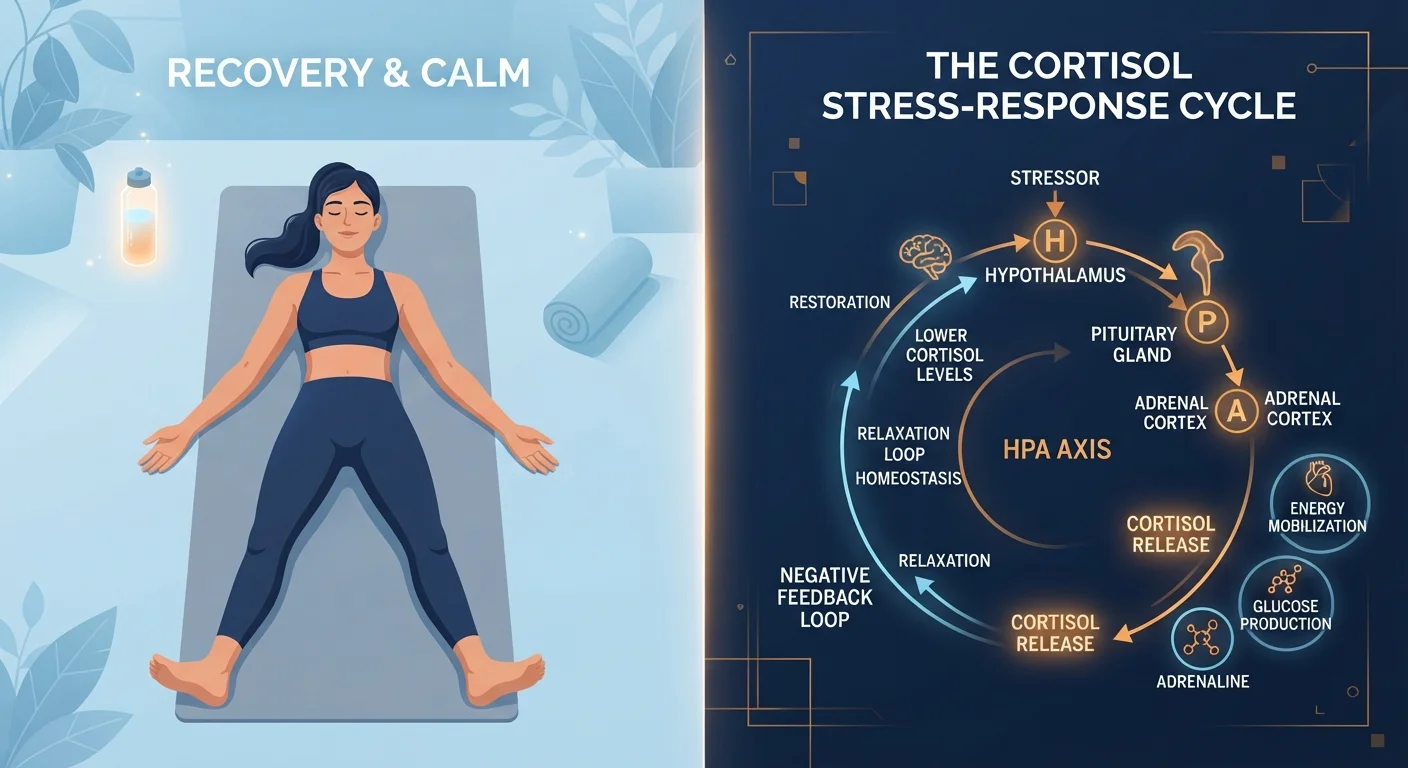
When the brain perceives a threat — physical or psychological — it triggers a cascade along the HPA axis, ultimately prompting the adrenal glands to release cortisol. In acute situations, this is adaptive: cortisol mobilizes glucose for energy, sharpens alertness, and temporarily dampens non-essential functions like digestion and immune activity so the body can respond to the immediate challenge.
The problem emerges when psychological stressors — work pressure, financial worry, relational conflict — remain unresolved for weeks or months. The HPA axis stays activated, and cortisol levels remain chronically elevated. Unlike the brief cortisol surge from a morning workout or a near-miss traffic incident, this sustained elevation begins to work against the very systems that enable recovery. For a broader look at how prolonged stress ripples through the body, see how chronic stress influences inflammation and immunity.
Cortisol Is Not the Villain
It's tempting to frame cortisol as purely harmful, but that misrepresents its biology. Without cortisol, the body cannot mount an effective immune response, regulate blood sugar, or wake up in the morning. The issue is chronic overactivation — not the hormone itself. Context, duration, and individual variability all matter when interpreting cortisol's role in health.
The Hormonal Tug-of-War: Cortisol vs. Anabolic Signals
Physical recovery — whether from a hard training session, an injury, or illness — depends heavily on anabolic hormones: testosterone, insulin-like growth factor 1 (IGF-1), and growth hormone. These signals drive protein synthesis, tissue repair, and cellular regeneration. Cortisol, in its catabolic role, works in the opposite direction: it breaks down muscle protein to free up amino acids for glucose production, a process called gluconeogenesis.
Under normal, balanced conditions, the relationship between cortisol and anabolic hormones is dynamic and functional. But chronically elevated cortisol tips the balance toward catabolism. Research published in peer-reviewed sports science literature consistently shows that athletes experiencing high psychological stress recover more slowly, sustain higher rates of soft-tissue injury, and exhibit blunted hormonal responses to training compared to those under lower stress loads — even when exercise volume and nutrition are matched.
Sleep Architecture: The Hidden Casualty
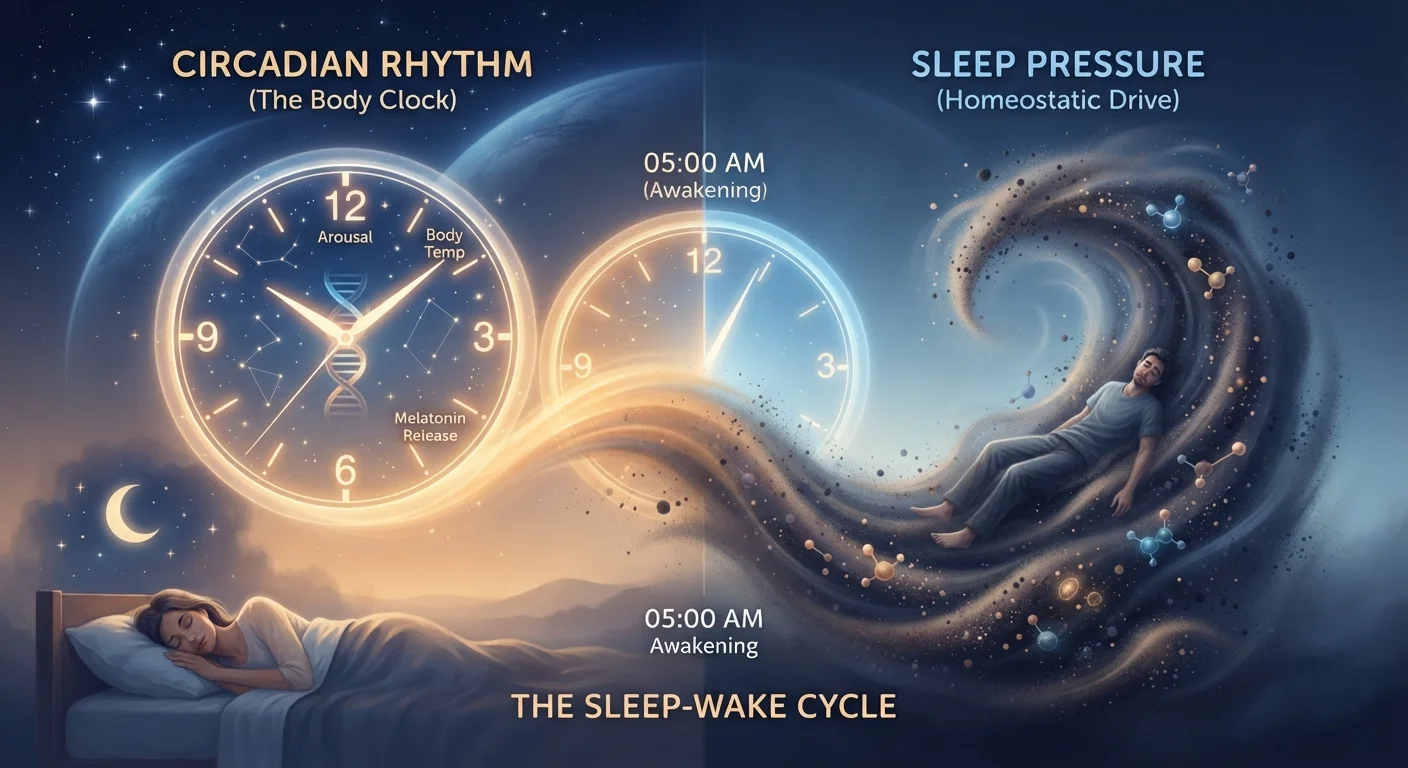
One of the most consequential pathways through which chronic stress impairs physical recovery is sleep disruption. Cortisol follows a natural diurnal rhythm — high in the morning to support wakefulness and declining toward the evening to allow sleep onset. Chronic stress distorts this rhythm, keeping cortisol elevated at night, which shortens slow-wave sleep (the deep, restorative stage most critical for growth hormone release and tissue repair) and increases nocturnal arousals.
This creates a self-reinforcing cycle: poor sleep raises cortisol the following day, which further disrupts the next night's sleep. Our companion article on how sleep and stress undermine each other explores this bidirectional relationship in greater depth. The practical implication is significant: without addressing the psychological stress driving cortisol elevation, standard sleep hygiene interventions often produce limited results.
~60–90 min
Typical duration of an acute cortisol spike
After removal of an acute stressor, cortisol generally returns toward baseline within this window, according to established endocrinology research.
Up to 30%
Reduction in slow-wave sleep linked to elevated evening cortisol
Studies on chronic stress populations have reported significant reductions in restorative deep sleep stages when cortisol rhythms are disrupted.
2–3x
Higher injury risk in high-stress athletes vs. low-stress peers
Sports psychology research has documented substantially elevated injury rates in athletes reporting high life-event stress, independent of training load.
Practical Levers: Non-Sleep Recovery Tools Backed by Evidence
Addressing cortisol-mediated recovery impairment doesn't require eliminating stress — a largely impossible goal. Instead, certain evidence-informed practices help regulate HPA axis activity and lower resting cortisol enough to meaningfully shift the recovery environment.
- Controlled breathing: Slow, diaphragmatic breathing (typically 5–6 breath cycles per minute) activates the parasympathetic nervous system, measurably reducing acute cortisol and promoting a physiological state conducive to repair.
- Social connection: Positive social interaction is associated with lower cortisol reactivity in experimental studies, likely through oxytocin-mediated dampening of HPA activation.
- Deliberate rest periods: Scheduled low-stimulation downtime — distinct from passive screen time — allows the nervous system to shift away from sympathetic dominance.
- Mind-body practices: Yoga, tai chi, and mindfulness-based stress reduction (MBSR) have demonstrated cortisol-lowering effects in multiple controlled trials, particularly for chronically stressed populations.
For a deeper look at strategies targeting psychological fatigue specifically, mental recovery strategies beyond sleep provides evidence-informed guidance on restoring mental bandwidth.
This article is for general informational purposes only and does not constitute medical advice. If you are experiencing symptoms of chronic stress or suspect a hormonal imbalance, please consult a qualified healthcare professional.