
The Gap Between Effort and Results
Many people who struggle with recovery are not doing too little — they're doing the wrong things, in the wrong order, with gaps they haven't identified. Recovery is a physiological process governed by predictable mechanisms: hormonal signaling, tissue repair, nervous system regulation, and metabolic restoration. When those mechanisms are disrupted — even unintentionally — the process stalls.
The mistakes below are the most common culprits. Each one is rooted in a understandable misunderstanding, and each one has a practical fix. If your routine isn't producing results, the answer is rarely to do more. It's usually to do the right things more consistently.
Recovery Is Not Optional
Without adequate recovery, repeated physical stress accumulates into overtraining syndrome — a state characterized by persistent fatigue, performance decline, and increased injury susceptibility. Research published in sports medicine literature consistently shows that physiological adaptation (getting stronger, fitter, faster) happens during recovery, not during the workout itself. Skipping or shortchanging recovery does not build resilience; it erodes it.
Common Recovery Mistakes — And How to Fix Them
The following errors appear across all fitness levels, from beginners to experienced athletes. Recognizing them is the first step; understanding why they happen is what makes the fix stick.
Neglecting post-exercise nutrition within the critical window.
Why it happens: Many people focus all their energy on the workout and treat eating afterward as optional, especially if they're not hungry immediately after intense exercise.
Treating mental stress as separate from physical recovery needs.
Why it happens: The mind-body divide is deeply ingrained in how most people think about fitness — workouts are 'physical,' stress is 'mental,' and never the twain shall meet.
Defaulting to passive rest when active recovery would be more effective.
Why it happens: After hard training, doing nothing feels intuitively correct. The idea of moving on a rest day can seem counterproductive.
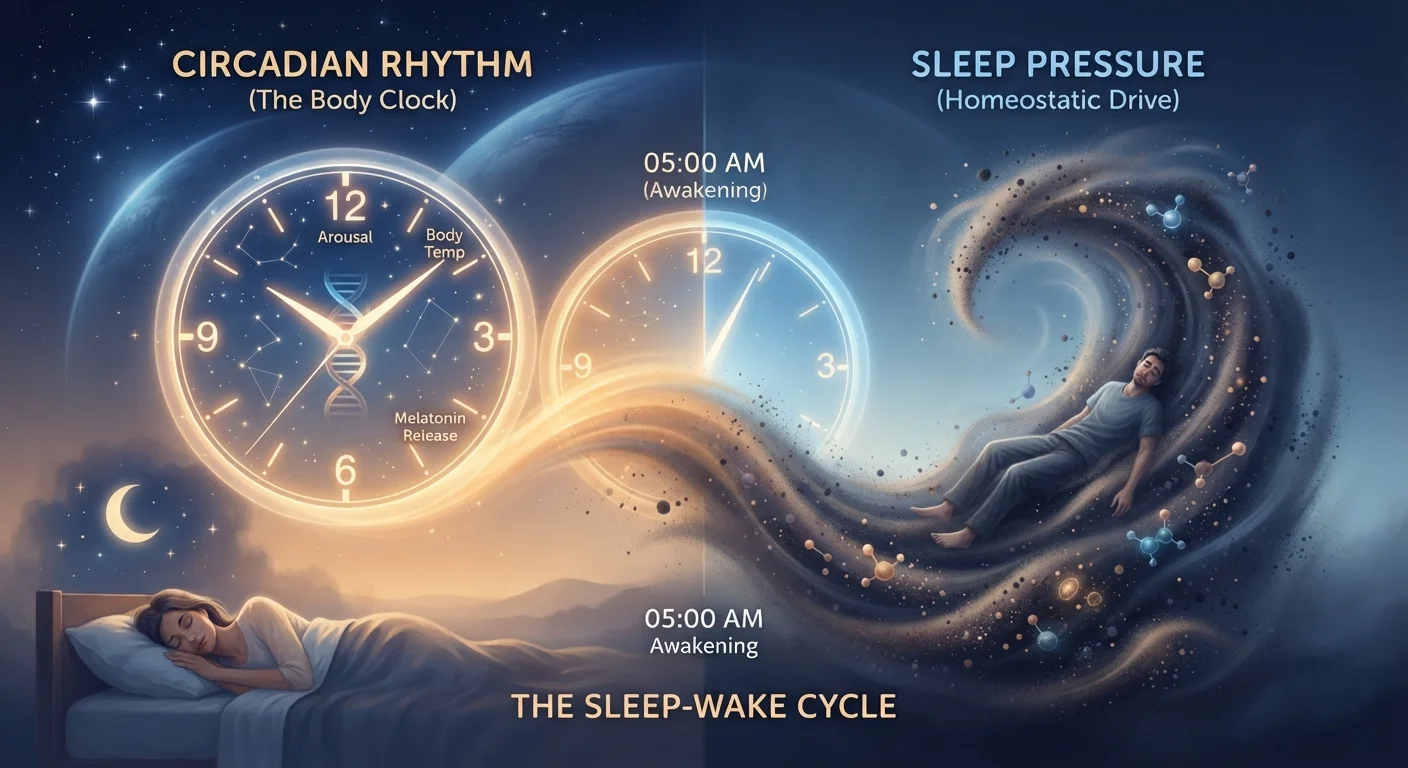
Underestimating sleep as the primary recovery mechanism.
Why it happens: Sleep is easy to sacrifice when schedules are tight, partly because its benefits are invisible and delayed — unlike a cold plunge or massage, you don't feel sleep 'doing' anything.
Adding recovery tools without addressing training volume imbalances.
Why it happens: It's easier to buy a foam roller or schedule a massage than to reduce workout frequency, which can feel like giving up.
For a structured approach to building these habits from the ground up, see building a recovery routine from scratch. And if you're wondering whether well-intentioned wellness habits elsewhere in your routine are working against you, this overview of common wellness missteps is worth reviewing.
This article is for general informational and educational purposes only and does not constitute medical advice. Always consult a qualified healthcare professional before making changes to your exercise, nutrition, or recovery practices — particularly if you have an existing health condition or are experiencing persistent symptoms.