
What Recovery Actually Means
Recovery is the process by which the body restores physiological balance after physical or mental stress. It is not simply doing nothing — it is a coordinated biological response involving tissue repair, nervous system regulation, hormone rebalancing, and metabolic clearance. Understanding this distinction matters because it reframes rest from a passive absence of effort into something deliberate and trainable.
Research in exercise physiology distinguishes between immediate recovery (the minutes after exertion), short-term recovery (hours of rest between sessions), and long-term recovery (scheduled rest days and seasonal deload periods). A practical routine addresses all three, though beginners need only focus on daily and weekly habits to start.
Active recovery
Low-intensity movement performed on rest days to promote circulation and reduce muscle stiffness without adding training stress.
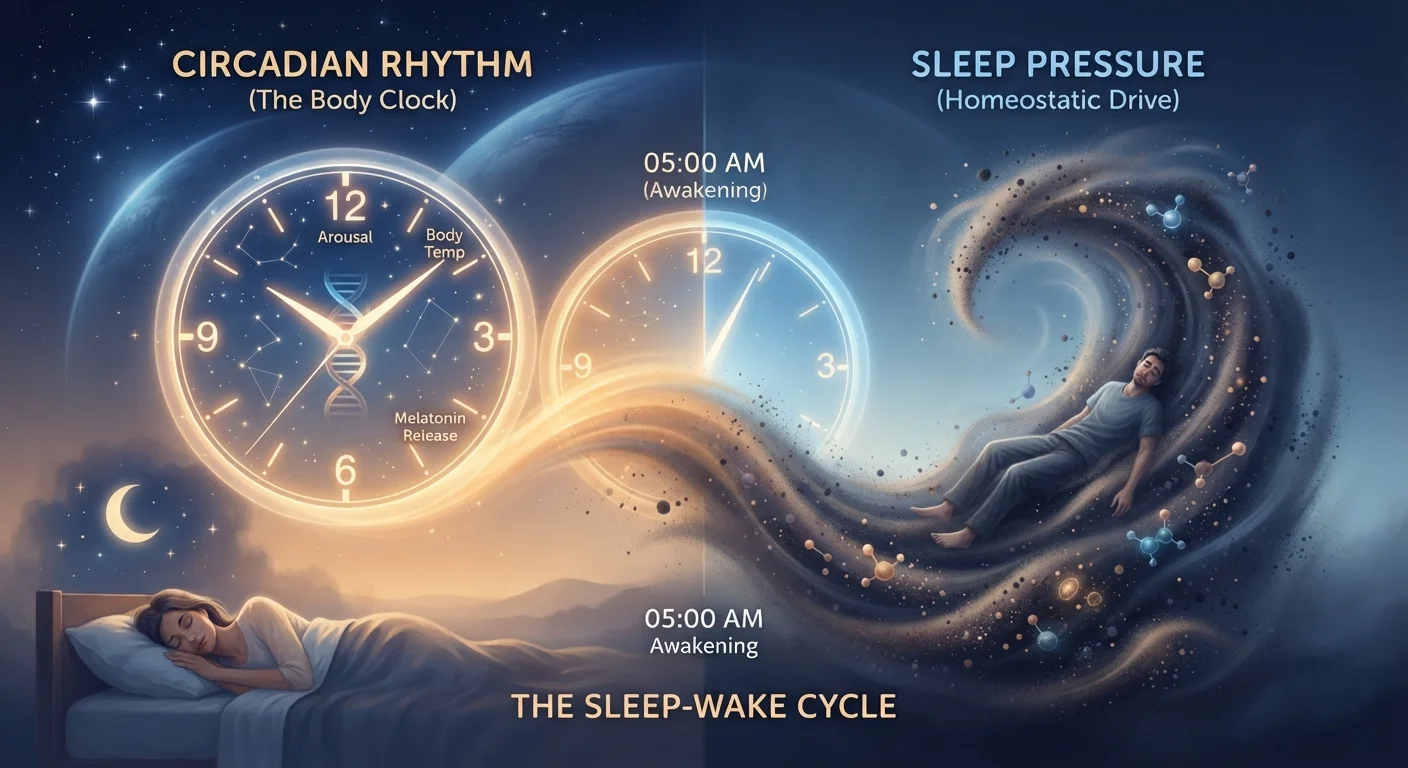
Circadian rhythm
The body's internal 24-hour clock that regulates sleep-wake cycles, hormone release, and metabolism. It is strongly influenced by light exposure and consistent sleep timing.
Parasympathetic nervous system
The branch of the nervous system responsible for rest and recovery functions — sometimes called 'rest and digest.' It counteracts the stress response and promotes tissue repair.
Glycogen
A form of carbohydrate stored in the muscles and liver that serves as a primary fuel source during physical activity. It is replenished through carbohydrate intake after exercise.
Muscle protein synthesis
The biological process of building and repairing muscle tissue using dietary protein. It increases after physical activity and is the mechanism behind strength and muscle gains.
Cortisol
A hormone released in response to stress that, when chronically elevated, can disrupt sleep, suppress immunity, and slow recovery. Managing stress helps keep cortisol in a healthy range.
The Four Core Pillars of Recovery
Effective recovery rests on four interconnected pillars. Neglecting any one of them limits the others.
1. Sleep
Sleep is the body's primary repair window. During deep sleep stages, the pituitary gland releases growth hormone, tissues rebuild, and the glymphatic system clears metabolic waste from the brain. Seven to nine hours per night is the established target for most adults. Consistency of sleep timing — going to bed and waking at roughly the same time daily — reinforces the circadian rhythm and improves sleep quality beyond what duration alone can achieve. For a broader look at the science behind this, see the Sleep & Recovery hub.
2. Movement Quality
Recovery does not mean immobility. Light, low-intensity movement — walking, stretching, or mobility work — promotes blood flow that delivers nutrients to repairing tissues and clears inflammatory byproducts. This is sometimes called active recovery. If you are also building an exercise habit, starting a workout routine from scratch explains how effort and rest days interrelate.
3. Nutrition and Hydration
Muscle protein synthesis — the process of rebuilding muscle fibers after stress — depends on adequate dietary protein. Carbohydrates replenish glycogen, the primary fuel stored in muscle and liver tissue. Hydration supports virtually every recovery process, including temperature regulation and nutrient transport. There is no universally correct eating pattern; total daily intake and food quality matter more than rigid timing for most people.
4. Stress Management
Psychological stress and physical stress share overlapping biological pathways. Chronically elevated cortisol — the primary stress hormone — suppresses immune function, disrupts sleep architecture, and slows tissue repair. Practices that activate the parasympathetic nervous system (rest-and-digest mode), such as diaphragmatic breathing, gentle yoga, or simply time in nature, counteract this cascade. Even ten minutes of deliberate downtime can shift physiological state meaningfully.
How to Build Your First Recovery Routine
The most effective beginner strategy is to pick one habit from each pillar and practice it consistently for two to four weeks before adding complexity. This approach respects the brain's limited capacity for behavior change and avoids the all-or-nothing thinking that derails most new routines.
- Sleep anchor: Choose a consistent wake time and protect it, even on weekends. This single change stabilizes your circadian rhythm faster than any supplement or sleep gadget.
- Movement anchor: Schedule ten to fifteen minutes of walking or stretching on days when you are not doing structured exercise. This is enough to support circulation without adding training stress.
- Nutrition anchor: Prioritize eating a meal containing both protein and carbohydrates within a few hours of your most demanding activity — physical or mental — each day.
- Stress anchor: Add a five-minute breathing or wind-down practice before bed. Simple box breathing (inhale four counts, hold four, exhale four, hold four) has research support for reducing acute stress markers.
Start with one change at a time
Research on habit formation consistently shows that stacking too many new behaviors at once reduces the likelihood that any of them stick. Choose the single pillar where you feel most deficient and focus there for two weeks. Once that habit feels automatic, add the next. Small, consistent wins compound into lasting routines.
Once these four anchors feel automatic, you can layer in additional practices. A structured weekly view of how these habits fit together is available in our guide to what a balanced rest schedule looks like.
Common Beginner Mistakes to Avoid
Most early recovery routines fail not from lack of effort but from a handful of predictable errors.
- Treating rest days as optional
- Recovery adaptations — strength gains, endurance improvements, skill consolidation — happen during rest, not during the stressor itself. Skipping rest days delays progress rather than accelerating it.
- Confusing fatigue with laziness
- Persistent tiredness after adequate sleep is a signal worth investigating, not a character flaw to push through. Chronic fatigue that does not resolve with rest should be evaluated by a healthcare professional.
- Chasing complexity too soon
- Ice baths, red light therapy, and compression garments generate headlines, but evidence for their benefit over basic sleep and nutrition is modest. Master the fundamentals first. For a grounded look at what workout structure actually requires, see how reps, sets, and rest interact.
Your Next Steps
Recovery is a skill that improves with consistent practice and honest self-assessment. Begin with the four anchors described above and audit your progress honestly after two weeks — not by how you look, but by how you sleep, how your energy holds through the day, and how quickly you bounce back from effort.
If you have never had a structured exercise habit, starting from zero with a practical exercise framework will help you understand how training load and recovery interact from the very beginning. For those interested in a broader lifestyle structure, building a weekly routine that supports a healthy weight offers a complementary framework covering movement, nutrition, and sleep together.
This article is for general informational and educational purposes only and is not a substitute for professional medical advice, diagnosis, or treatment. Always consult a qualified healthcare provider before making significant changes to your health habits, particularly if you have an existing medical condition.