
Why the Early Stage of Eating Better Is So Easy to Get Wrong
Most people who decide to eat better start with genuine enthusiasm and solid intentions. The problem isn't motivation — it's that the first steps often feel obvious but lead in the wrong direction. The early weeks of changing how you eat are actually the highest-risk period for habits to collapse, not because the goal is wrong, but because the approach can quietly work against you.
Understanding what tends to go sideways — and why — is one of the most practical things a new eater can do. This isn't about perfection. It's about setting yourself up so that small efforts actually compound into lasting patterns. If you're also thinking about how food habits connect to broader wellness goals, starting with longevity-focused habits can help you see the bigger picture without feeling overwhelmed.
Common Mistakes New Eaters Make — and How to Course-Correct
The missteps below show up repeatedly among people who are just beginning to pay attention to what they eat. Each one is understandable, rooted in common advice or cultural messaging, and — importantly — fixable.
Changing everything at once rather than building one habit at a time.
Why it happens: When motivation is high, a complete overhaul feels achievable — and culturally, we're told that commitment means going all in. But the mental load of changing breakfast, lunch, dinner, and snacks simultaneously is enormous.
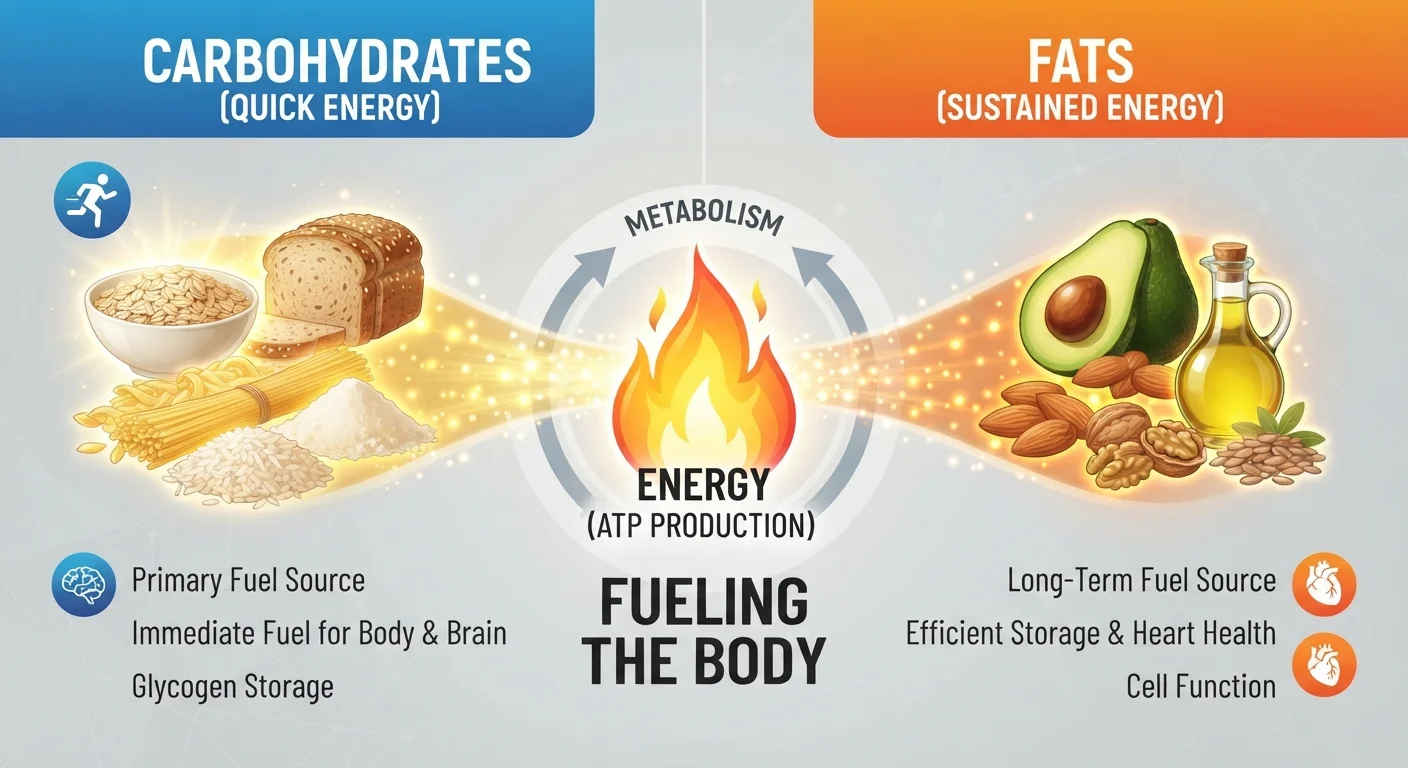
Eliminating entire food groups without understanding what they provide nutritionally.
Why it happens: Popular wellness messaging frequently frames certain food categories — carbohydrates, fats, dairy — as universally harmful, making elimination feel like a logical first step.
Thinking in terms of 'good' and 'bad' foods rather than overall patterns.
Why it happens: This framing is deeply embedded in nutrition culture and media. It feels like it simplifies decisions, but it actually sets up an all-or-nothing mindset that makes one 'bad' meal feel like a failure.
Ignoring internal hunger and fullness signals in favor of external rules.
Why it happens: Rigid eating plans and calorie-tracking apps encourage people to eat according to schedules or numbers rather than their body's actual cues, which can erode the natural ability to recognize hunger and satiety.
Expecting visible results within days and abandoning the approach when they don't appear.
Why it happens: Social media and marketing consistently showcase dramatic short-term transformations, creating unrealistic timelines in people's minds. When reality doesn't match that pace, discouragement sets in quickly.
If you're also starting to hear about macronutrients and want a grounded introduction, a practical look at macros can help you think about food composition without overcomplicating your meals.
Building a Foundation That Actually Holds
80%
Of dietary changes that rely on willpower alone
Research in behavioral nutrition consistently finds that environment design and habit-stacking outperform willpower as long-term drivers of dietary change.
2–3 months
Typical time for a new habit to become automatic
A study published in the European Journal of Social Psychology found that habit formation takes an average of 66 days, with meaningful variation depending on complexity.
The patterns that stick tend to share a few qualities: they're flexible enough to survive a bad week, grounded in foods you genuinely enjoy at least some of the time, and built incrementally rather than all at once. Sustainable weight habits follow the same logic — gradual, realistic, and rooted in your actual life rather than an idealized version of it.
It's also worth noting that eating doesn't exist in isolation. Sleep, stress, and movement all interact with how your body uses food. If your overall routine feels off, common recovery missteps may be contributing more than you realize. And if you've ever felt pulled toward stricter approaches, understanding why crash diets tend to fail can help you recognize the cycle before it starts.
This article is for general informational and educational purposes only and is not a substitute for professional medical or dietary advice. Consult a qualified healthcare provider or registered dietitian before making significant changes to your eating pattern, especially if you have an existing health condition.