
The Appeal of Elimination — and Why It Oversimplifies Things
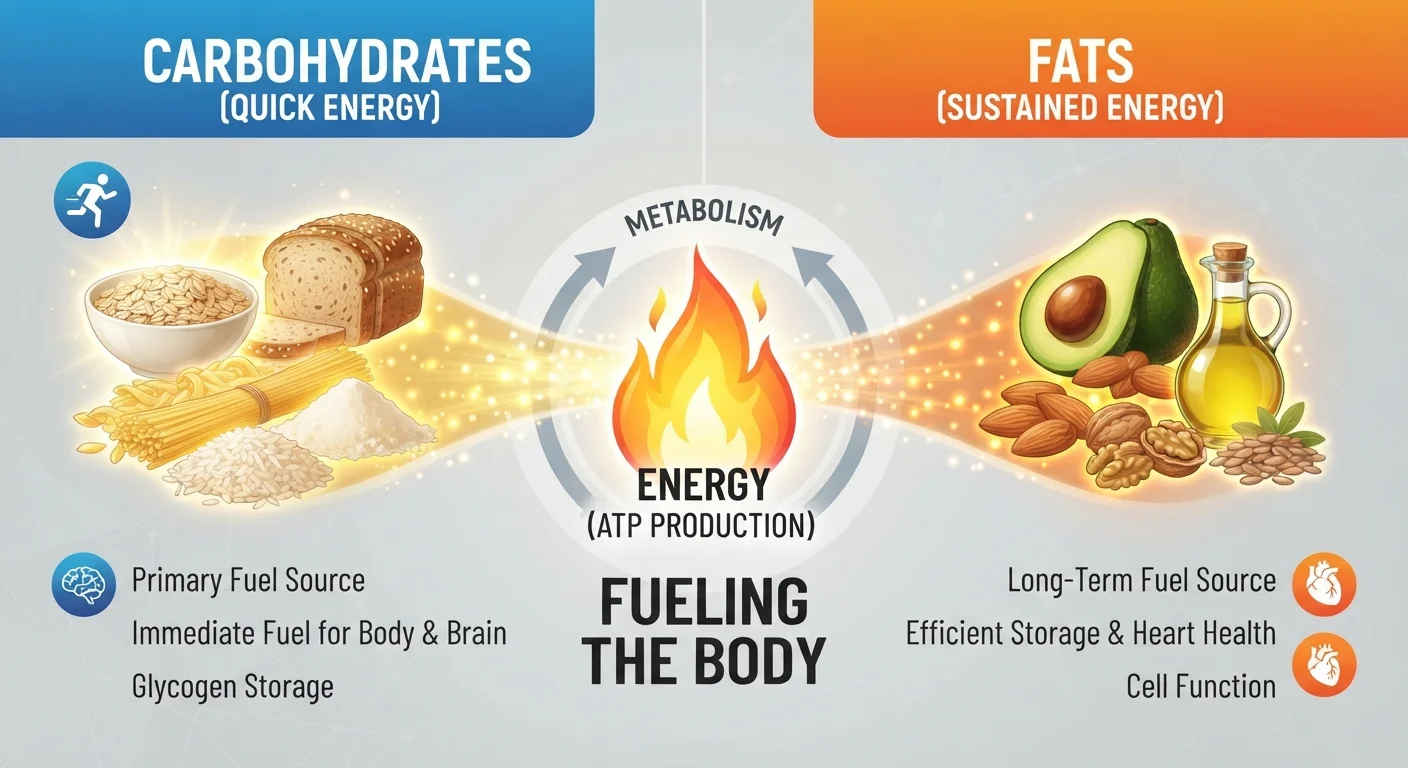
The logic sounds clean: if eating too much of something causes problems, cutting it out entirely should fix things fast. That reasoning is part of why zero-carb, fat-free, and very-low-protein diets have each cycled through popularity at different points. But your body doesn't treat macronutrients as optional extras — carbohydrates, fats, and proteins each carry out specific jobs that the other two cannot reliably cover.
If you're new to thinking about macros, our plain-language breakdown of what carbs, protein, and fat actually do explains the physiological roles at stake. Understanding those functions makes it easier to see why elimination strategies so frequently produce unexpected or unwanted results.
Eliminating all carbohydrates expecting sustained fat loss.
Why it happens: Carbohydrates are often blamed for weight gain because refined versions — sugar, white bread — are easy to overeat. This makes cutting the whole category seem logical.
Going fat-free based on the outdated belief that dietary fat becomes body fat directly.
Why it happens: Decades of low-fat dietary messaging led many people to equate fat in food with fat on the body — a simplification that nutrition science has since substantially revised.
Drastically under-eating protein to reduce calories, then losing muscle alongside fat.
Why it happens: Protein's caloric contribution (4 calories per gram) makes it a target when someone is cutting calories quickly without guidance. The structural role of amino acids gets overlooked.
Misreading early weight loss from macro elimination as evidence the approach is working long-term.
Why it happens: Glycogen stored in muscle holds water; depleting it through carbohydrate restriction causes rapid scale weight loss that feels like progress but is primarily fluid, not fat.
Assuming that because a macro restriction worked short-term for someone else, it will work the same way for you.
Why it happens: Social media success stories are highly visible; the majority of people who try the same approach and don't sustain results tend not to post about it.
What the Evidence Suggests About Extreme Macro Restriction
Research consistently shows that highly restrictive eating patterns — regardless of which macro is targeted — tend to produce similar patterns: initial weight loss followed by a plateau, increased hunger signaling, and a meaningful rate of rebound. The type of weight lost matters too. Rapid carbohydrate restriction, for example, depletes muscle glycogen and causes corresponding water loss, which registers on a scale but doesn't reflect fat reduction.
~95%
Long-term diet failure rate
Research published in nutrition and obesity journals consistently estimates that the large majority of people who lose weight through restrictive dieting regain it within 1–5 years.
Up to 5 lbs
Water weight lost in first week of carb restriction
Glycogen depletion through low-carbohydrate eating can account for several pounds of water loss in the first week, according to exercise physiology research.
10–35%
Recommended protein range (% of daily calories)
The Dietary Reference Intakes established by the National Academies of Medicine place acceptable protein intake in this range for healthy adults.
Protein restriction creates its own set of problems. The body requires amino acids for immune function, enzyme production, and tissue repair. When dietary protein falls too low, the body may begin breaking down lean muscle to source what it needs — the opposite of most people's goals. Very low fat intake, meanwhile, can interfere with absorption of vitamins A, D, E, and K, which are fat-soluble and depend on dietary fat to reach the bloodstream.
For a practical look at how different eating approaches actually distribute macros without eliminating any of them entirely, see how major dietary patterns divide calories among carbs, protein, and fat.
A broader look at why restriction-based approaches tend to underperform over time is covered in our piece on why crash diets keep failing even when they work at first.
This article is for general informational purposes only and does not constitute medical or dietary advice. Talk to a qualified healthcare provider or registered dietitian before making significant changes to your eating pattern.