Why Micronutrient Myths Persist
Vitamins and minerals don't generate the same headlines as protein or carbohydrates, yet they drive hundreds of essential processes — from energy metabolism to immune defense to bone maintenance. Because they work quietly behind the scenes, misunderstandings about how they function are easy to accumulate and hard to correct.
Our guide to what micronutrients actually do inside your body explains the foundational science. This article goes a step further, taking on the specific myths that trip up even people who pay close attention to what they eat. Understanding where these beliefs come from — and what the evidence actually says — can help you make more confident, grounded food choices without unnecessary anxiety or expense.
The Myths, Corrected
The following myth-and-fact pairs address the most common and consequential micronutrient misconceptions. Each correction is grounded in established dietary research and recognized guidance from bodies such as the National Institutes of Health (NIH) and the USDA.
Myth
Taking extra vitamins gives you more energy and better health, even when you already eat well.
Fact
Vitamins don't provide energy directly, and exceeding your body's needs for most nutrients delivers no additional benefit.
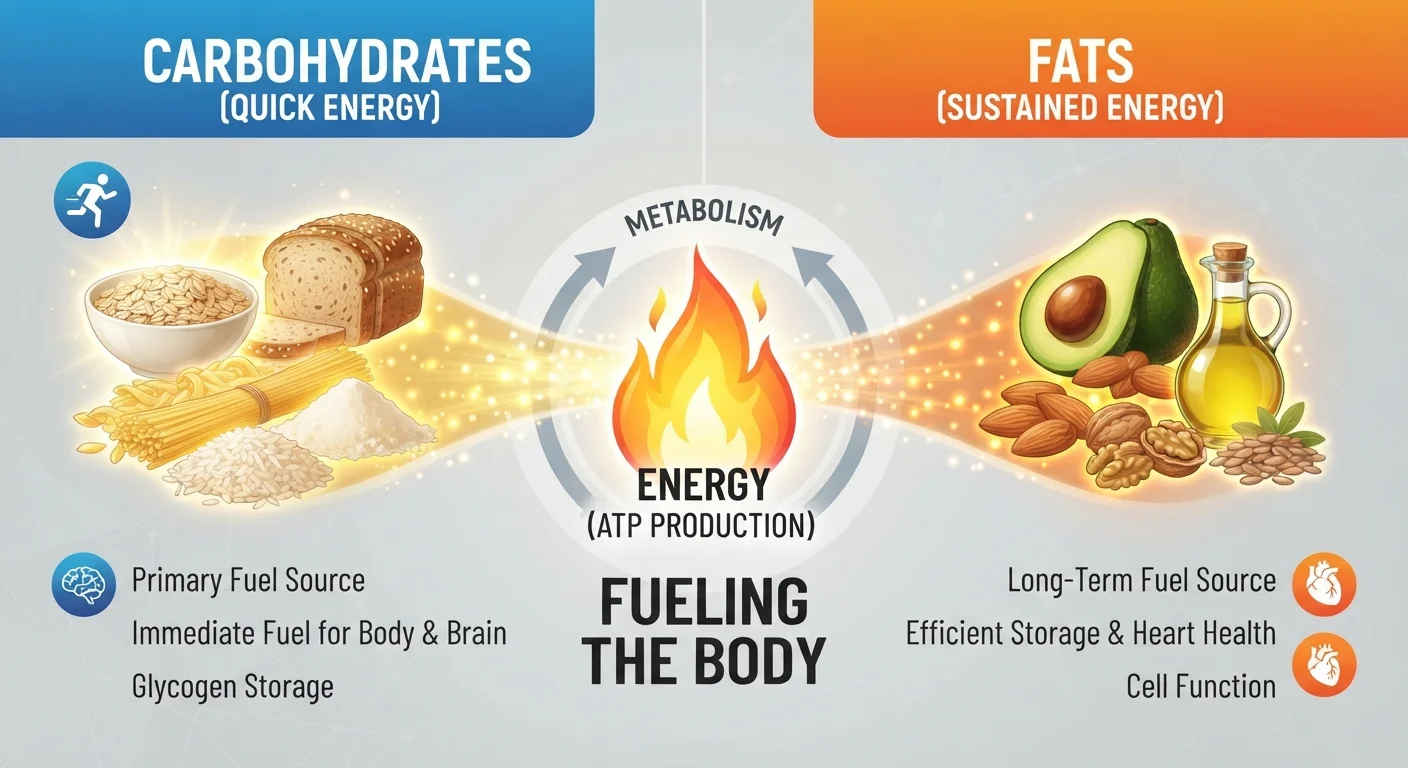
Energy comes from macronutrients — carbohydrates, fats, and protein. Vitamins like the B complex help enzymes unlock that energy from food, but taking more B vitamins than your body needs doesn't accelerate the process. Once cellular needs are met, the excess is typically excreted (for water-soluble vitamins) or stored in tissue (for fat-soluble ones). More is not equivalent to better; it's just more.
Myth
A daily multivitamin is a reliable insurance policy that fills any gap in your diet.
Fact
Multivitamins can help address specific documented shortfalls, but they are not a substitute for a varied diet and do not replicate the full nutritional complexity of whole foods.
Whole foods deliver fiber, phytonutrients, antioxidants, and compounds that interact synergistically — none of which are captured in a standard multivitamin tablet. Research consistently shows that nutrients absorbed from food behave differently from the same nutrients in isolated supplement form. Multivitamins can be appropriate for people with documented deficiencies or specific physiological needs, but the evidence does not support using them as a blanket dietary substitute for the general population.
Myth
If a vitamin is natural or plant-derived, it's automatically safe to take in any amount.
Fact
Natural origin does not determine safety at high doses. Fat-soluble vitamins in particular — A, D, E, and K — accumulate in body tissue and can reach toxic levels.
The NIH's Office of Dietary Supplements establishes Tolerable Upper Intake Levels (ULs) for many vitamins and minerals precisely because excessive amounts cause harm regardless of their source. Vitamin A toxicity, for example, can cause liver damage and bone loss. Vitamin D in very high supplemental doses has been associated with hypercalcemia (elevated blood calcium). The word 'natural' on a supplement label carries no regulatory guarantee of safety at elevated doses.
Myth
You can tell when you're deficient in a vitamin because you'll feel noticeably unwell.
Fact
Many micronutrient deficiencies develop gradually and produce vague or no early symptoms, making self-diagnosis unreliable.
Iron deficiency, for instance, can progress through several stages before classic anemia symptoms appear. Vitamin D insufficiency is often entirely asymptomatic until bone health consequences emerge over years. Relying on how you feel is not an accurate method for assessing micronutrient status. Blood tests ordered by a healthcare provider are the appropriate diagnostic tool when deficiency is suspected.
Myth
Cooking vegetables destroys most of their vitamins, so raw is always the better nutritional choice.
Fact
Cooking affects different nutrients in different ways — it reduces some while making others more bioavailable.
Water-soluble vitamins like vitamin C and folate are sensitive to heat and can leach into cooking water. However, cooking can also break down cell walls, increasing the bioavailability of fat-soluble nutrients like beta-carotene (a vitamin A precursor) and lycopene. Steaming tends to preserve more water-soluble vitamins than boiling. A diet that includes both cooked and raw vegetables provides the broadest nutritional range — the goal isn't to pick one method but to eat a variety.
Myth
Eating fortified foods means you don't need to worry about nutrient gaps.
Fact
Fortification addresses specific targeted deficiencies in specific foods, but does not guarantee overall micronutrient adequacy across your diet.
Fortification programs — such as adding folic acid to grain products or vitamin D to milk — are designed to address population-level deficiencies in defined nutrients. They are not comprehensive nutritional solutions. A diet built around heavily processed fortified foods may still fall short on magnesium, potassium, zinc, or other nutrients not commonly added during fortification. Whole and minimally processed foods deliver a wider and more naturally balanced micronutrient profile. See which nutrients Americans commonly under-consume for context.
For a broader look at how vitamins and minerals fit alongside carbohydrates, protein, and fat, see our overview of macronutrients and micronutrients together.
What This Means for Everyday Eating
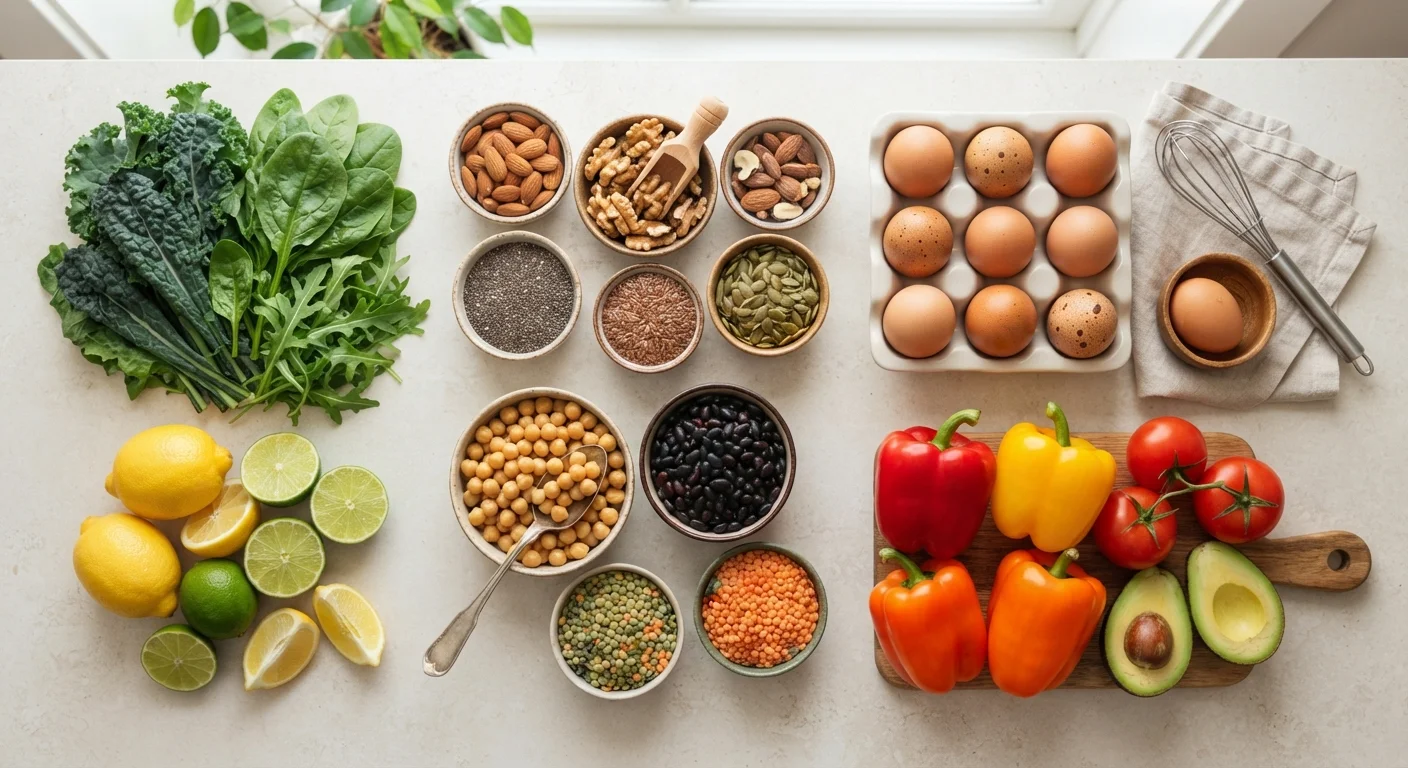
Correcting these myths points toward the same practical conclusion: variety and whole foods consistently outperform narrow supplementation strategies. Federal dietary surveys regularly show that Americans fall short on nutrients like vitamin D, calcium, potassium, and magnesium — not because supplements are unavailable, but because dietary patterns leave predictable gaps.
How you combine foods also matters more than many people realize. Pairing certain foods strategically — such as vitamin C–rich vegetables alongside plant-based iron sources — can meaningfully improve what your body actually absorbs. And if you follow a mostly plant-based diet, a few nutrients warrant extra attention; our plant-based micronutrient guide covers those specifically.
When reading nutrition labels to gauge your intake, understanding Percent Daily Values helps put individual foods in context without overcounting or undercounting what you're getting. And if you're concerned about toxicity from high-dose supplements, understanding tolerable upper intake levels explains exactly where the risks lie.
This article is for general informational and educational purposes only and is not a substitute for professional medical or dietary advice. If you have questions about your personal nutrient needs or supplement use, consult a qualified healthcare provider or registered dietitian.