Why a Weekly Recovery Audit Matters
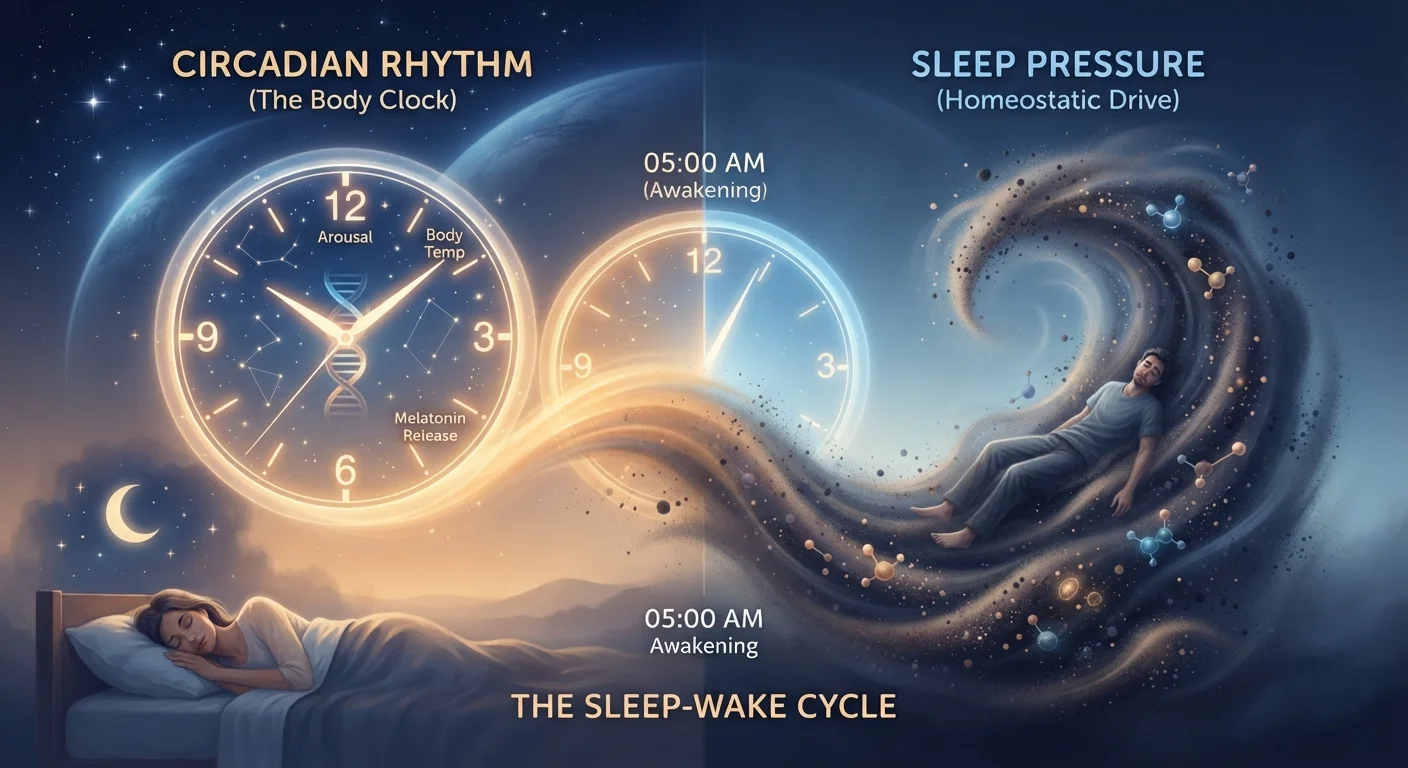
Most people track their workouts. Far fewer track their recovery — which is where adaptation actually happens. During sleep and rest, the body consolidates motor learning, repairs micro-damaged muscle fibers, regulates inflammatory pathways, and restores hormonal balance. Neglecting this side of the equation doesn't just slow progress; it increases injury risk and compounds stress over time.
Recovery isn't a single variable. Sleep quality, nutritional adequacy, psychological downtime, and movement patterning throughout the week all interact. A Sunday lie-in won't undo five nights of poor sleep hygiene or a week of under-eating protein. This checklist is designed to help you view the full picture — across all seven days — and identify the specific areas that most need attention. Use it as a weekly audit, not a rigid prescription.
For a broader look at your day-to-day wellness habits, see the Daily Habits Audit — a companion checklist covering sleep, movement, nutrition, and stress baselines. And if stress is a recurring disruptor of your rest, the weekly stress audit offers structured prompts for identifying triggers and evaluating your coping strategies.
How to Use This Checklist
Work through each group once at the end of your week — Sunday evening is a practical time for most people. Be honest rather than aspirational: the goal is accurate self-assessment, not a perfect score. Items marked must reflect non-negotiable recovery foundations supported by strong clinical evidence. Should items are strongly recommended and make a meaningful difference for most adults. Nice-to-have items offer additional benefit but are optional enhancements.
If you find consistent gaps in a particular category, that's useful signal. Recovery deficits tend to cluster — poor sleep often accompanies under-eating and high perceived stress simultaneously. Addressing the highest-priority gaps first generally produces the greatest return.
Sleep Hygiene
Active Recovery & Movement
Nutrition for Recovery
Mental & Nervous System Rest
Weekly Review & Adjustment
This article is for general informational purposes only and does not constitute medical advice. Consult a qualified healthcare professional before making changes to your exercise, nutrition, or sleep routine, particularly if you have an existing health condition.
Supporting Your Recovery With the Right Tools
You don't need specialized equipment to recover well, but a few practical tools make consistency easier. The following resources are worth having access to during your week.
Sleep journal or logbook
Record your sleep and wake times, perceived quality, and any disruptions each morning to surface patterns over the week.
Foam roller or massage ball
Apply self-myofascial release to major muscle groups on training and recovery days to support tissue quality.
Wearable fitness tracker with heart rate monitoring
Track resting heart rate trends, sleep stages, and recovery scores to add objective data to your weekly audit.
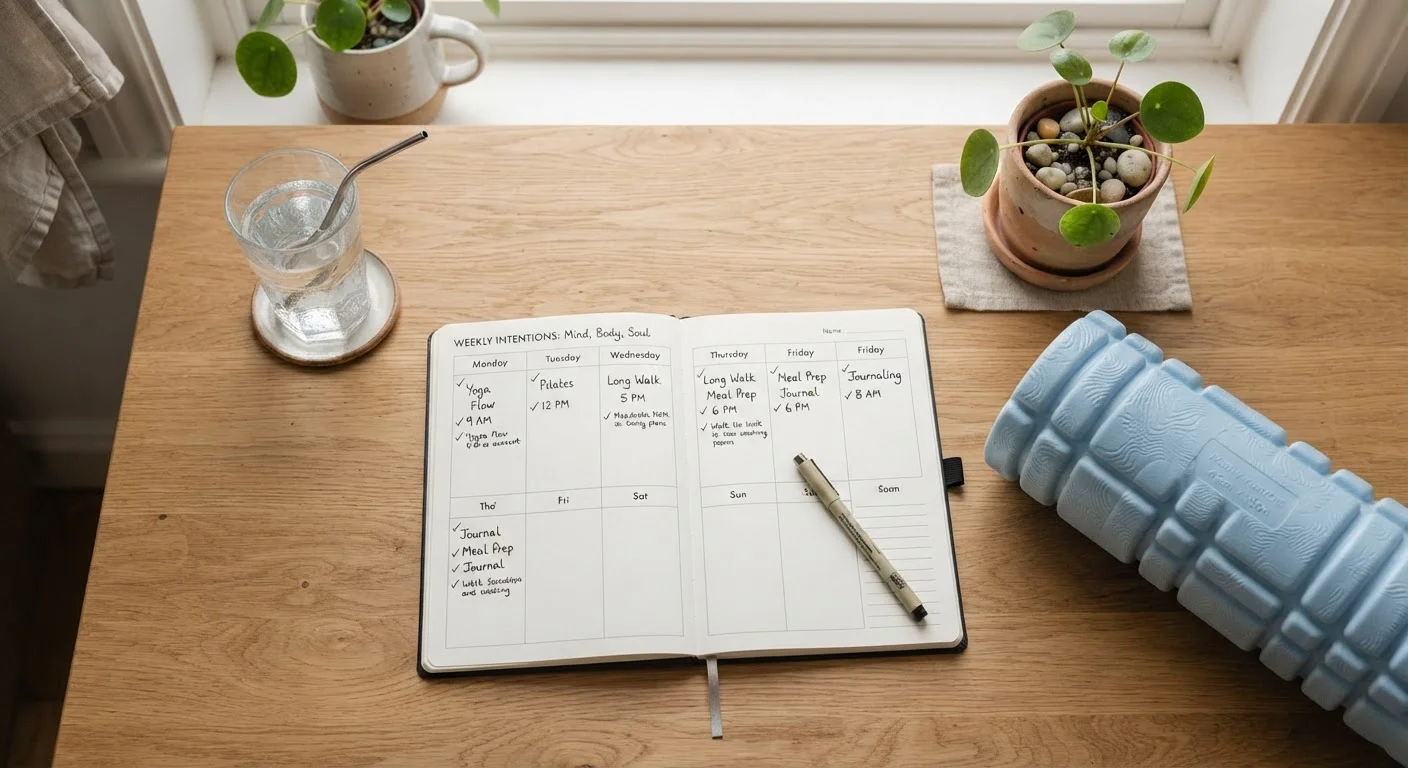
Weekly planner or habit tracker
Map out training, rest, and recovery activities across the seven-day window so gaps and imbalances become visible.
Dim or amber-tinted light source
Replace overhead lighting in the hour before bed to reduce blue-light exposure and support melatonin onset.
For guidance on structuring your nutrition to complement your recovery plan, the weekly balanced eating self-check is a practical companion. And if you're unsure how to spend your rest days productively, active recovery explains when and why light movement outperforms full rest.