The Sedative Trap: Why Alcohol Feels Like a Sleep Aid
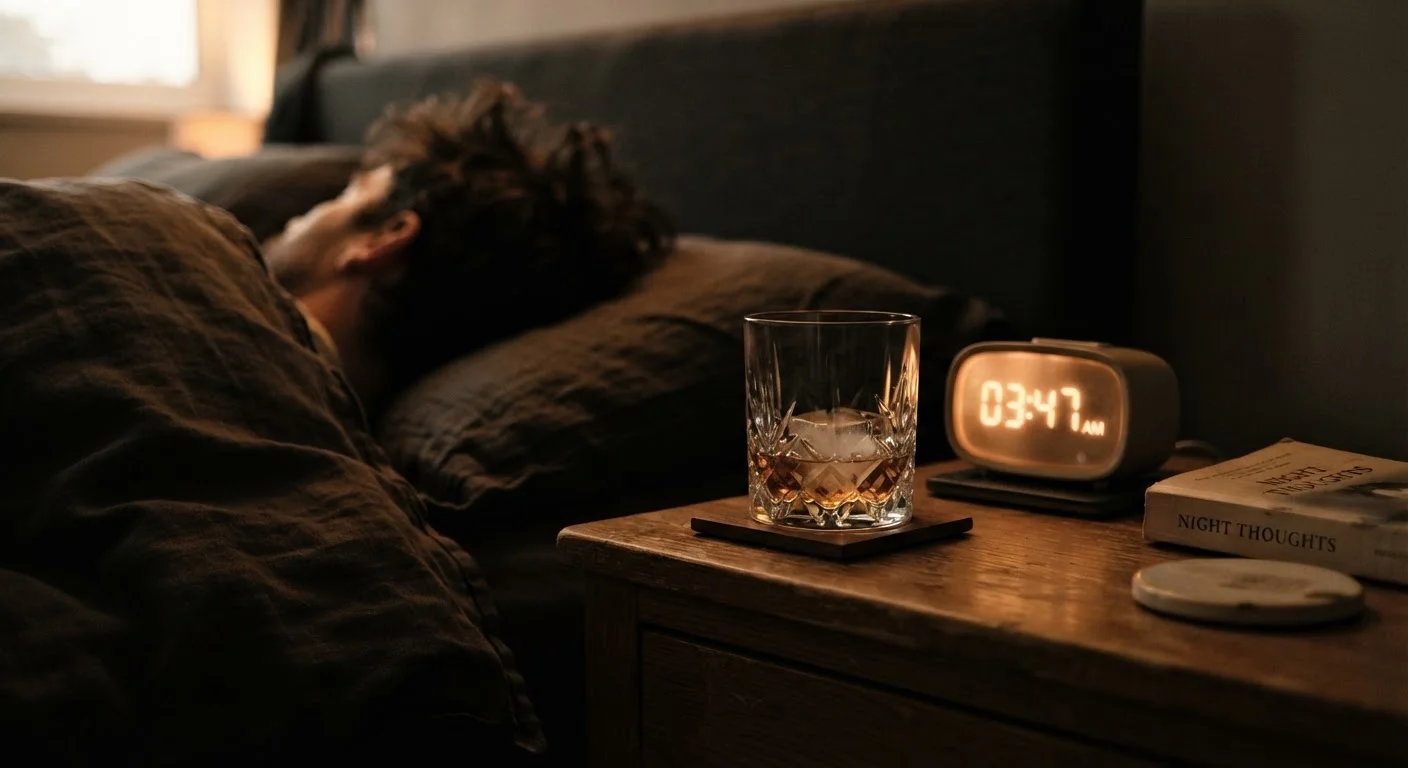
Alcohol is a central nervous system depressant. At low to moderate doses, it binds to GABA receptors in the brain, producing a calming, drowsy effect that can genuinely shorten the time it takes to fall asleep. This is the core reason so many people reach for a nightcap — and why the habit is so easy to form.
But sedation and restorative sleep are not the same thing. Falling asleep faster only matters if the sleep that follows is structured correctly. When alcohol is in your system, the normal cycling between sleep stages is disrupted from the very first hour — a problem that compounds as the night progresses.
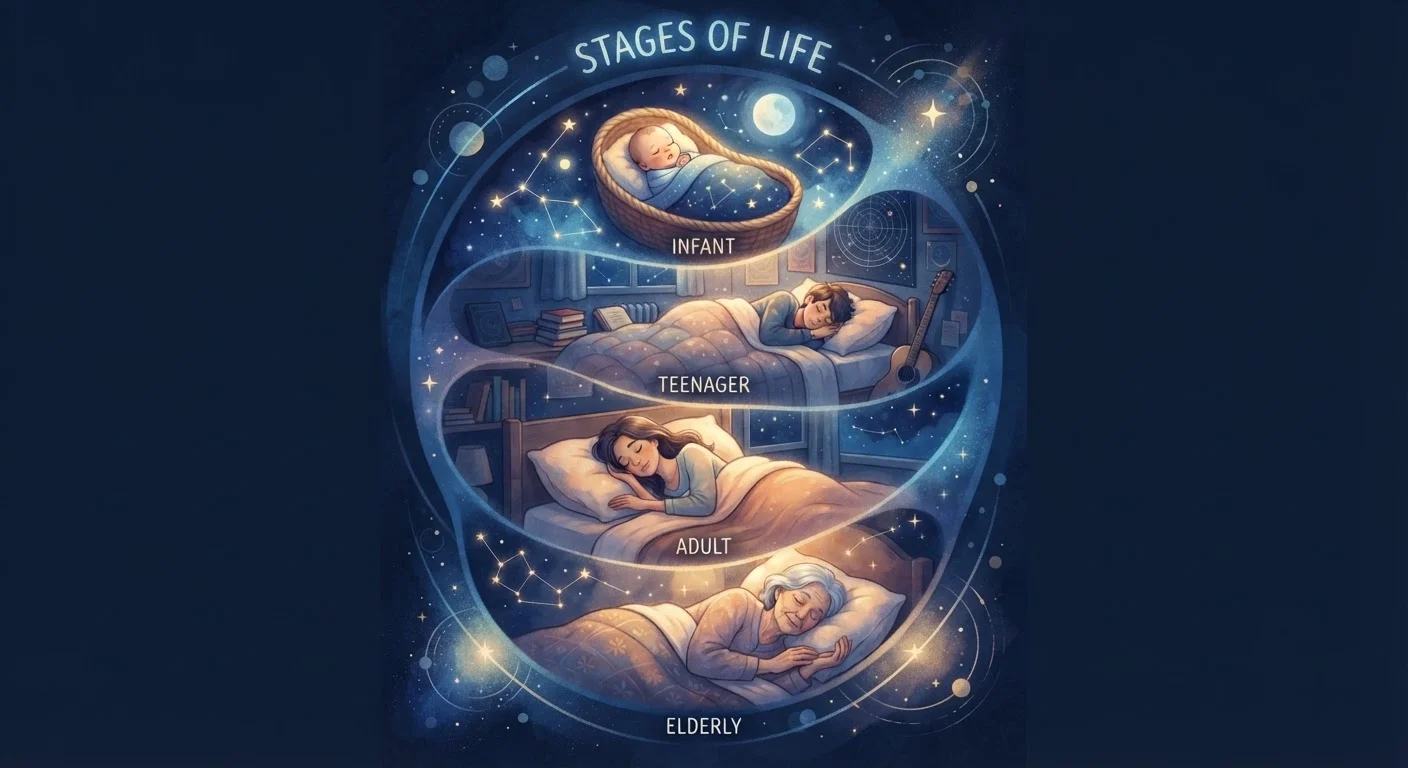
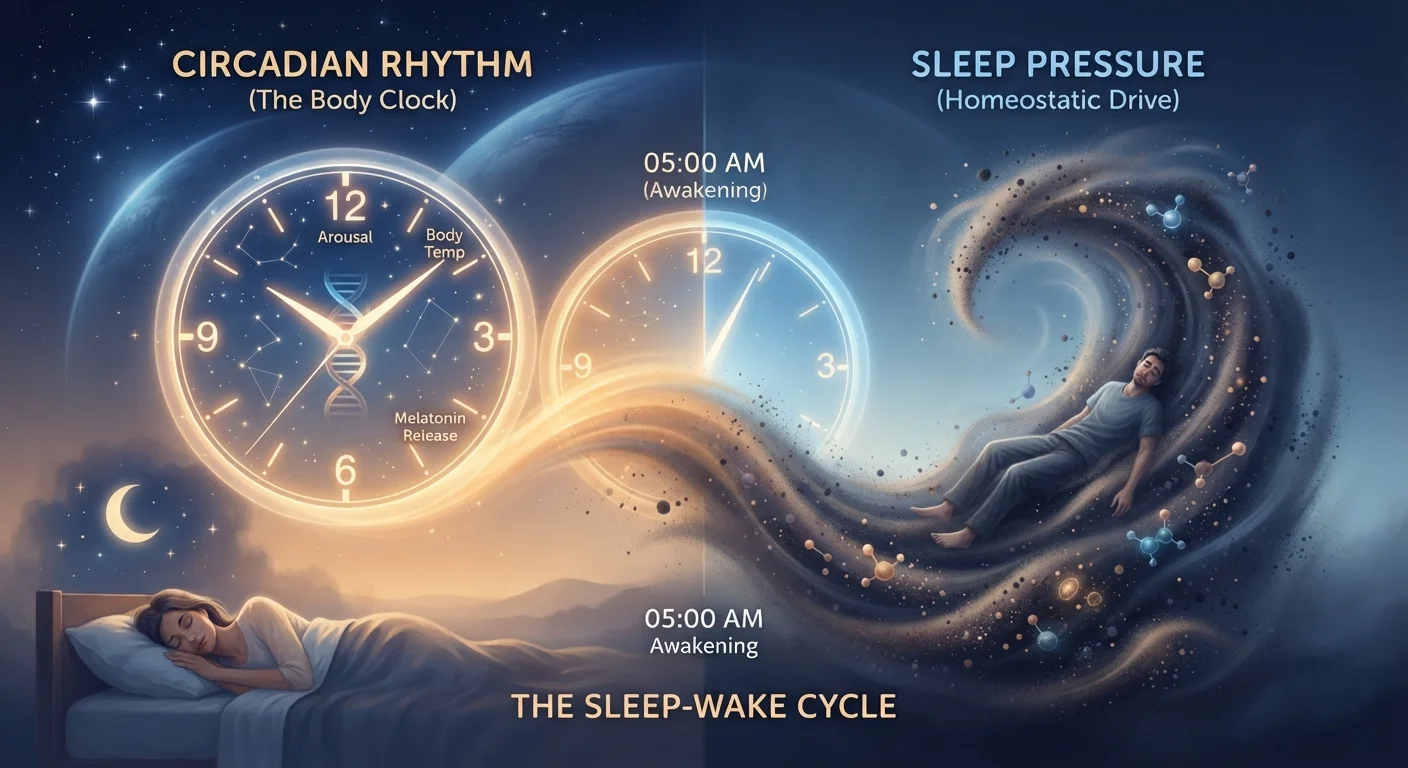
Understanding what's actually happening requires a look at how sleep is organized. Your body cycles through light sleep, deep slow-wave sleep, and REM sleep roughly every 90 minutes. Each stage serves distinct biological functions. Light and deep sleep both contribute to recovery in ways that alcohol quietly undermines.
Track How You Feel, Not Just How Long You Slept
Total hours in bed can be misleading when alcohol is involved. If you regularly wake feeling unrefreshed despite a full night's sleep, consider keeping a simple sleep log that notes both your evening alcohol intake and your morning energy levels. Patterns often become clear within one to two weeks — and that data is genuinely useful to bring to a healthcare provider.
What Alcohol Does to Sleep Stages
Research consistently shows that alcohol shifts the balance of sleep stages in two distinct phases of the night:
- First half of the night: Alcohol suppresses REM sleep and increases slow-wave (deep) sleep. This can feel like heavy, uninterrupted rest — but it comes at a cost.
- Second half of the night: As your liver finishes metabolizing the alcohol, the sedative effect wears off. The brain rebounds into a hyperarousal state, causing lighter sleep, more frequent awakenings, and a surge of REM sleep that is often more intense and fragmented than normal.
REM sleep is where the brain consolidates memories, processes emotional experiences, and maintains cognitive flexibility. Suppressing it — even partially — affects next-day mood, reaction time, and learning capacity. This REM rebound in the early morning is also a key reason why people who drink often report vivid, unsettling dreams.
24%
Reduction in REM sleep with high-dose alcohol
A meta-analysis in Alcoholism: Clinical and Experimental Research found high alcohol doses reduced REM sleep by approximately 24% across the full night.
~1 hr/drink
Average alcohol metabolism rate
The liver metabolizes roughly one standard drink per hour on average, though individual rates vary based on body weight, sex, and other factors.
3–4 hrs
Recommended gap between drinking and bedtime
Sleep researchers generally suggest a minimum of three to four hours between your last alcoholic drink and going to bed to reduce sleep disruption.
Dose, Timing, and Individual Variability
The degree of sleep disruption is dose-dependent. A 2018 meta-analysis published in Alcoholism: Clinical and Experimental Research found that low, moderate, and high doses of alcohol all reduced REM sleep, with effects scaling upward with the amount consumed. Timing also matters: the closer to bedtime you drink, the less time your body has to process the alcohol before sleep cycles begin.
Individual factors — body weight, sex, age, whether you've eaten, and your history of alcohol use — all influence how quickly alcohol is metabolized. People who drink regularly may develop a partial tolerance to some sedative effects but can also experience worsening sleep disruption over time as dependence patterns emerge.
It's also worth noting that alcohol can worsen existing sleep conditions. People with sleep apnea may experience more frequent and severe breathing interruptions, since alcohol relaxes the muscles of the upper airway. If you have a diagnosed sleep disorder, this is a conversation to have with your healthcare provider.
Recovery Sleep and the Athletic Cost
For anyone using sleep as a recovery tool — whether you're an athlete, a regular gym-goer, or simply someone trying to bounce back from physical exertion — alcohol's interference with deep sleep carries a specific cost. The majority of growth hormone secretion occurs during slow-wave sleep, and this hormone drives muscle protein synthesis and tissue repair. While alcohol may initially increase slow-wave sleep early in the night, higher doses suppress it in the second half, reducing total growth hormone output.
Beyond muscle repair, poor sleep quality affects the hormonal regulation of appetite, stress response, and immune function — all systems that depend on consolidated, well-structured overnight rest. If you're already dealing with disrupted nights, strategies like strategic napping may help partially offset deficits — though napping has its own tradeoffs worth understanding before making it a habit.
Practical Considerations for Better Sleep Hygiene
If alcohol is a regular part of your social or evening routine, a few evidence-informed adjustments can reduce its impact on sleep quality:
- Increase the gap between your last drink and bedtime. Giving your body three to four hours to metabolize alcohol before sleep reduces — though doesn't eliminate — disruption to sleep architecture.
- Moderate your total intake. Dose-dependent effects mean that reducing the amount consumed in an evening has a direct, proportional benefit for sleep quality.
- Avoid alcohol as a sleep aid. If you're relying on it to fall asleep, this is worth discussing with a healthcare professional, as it may signal an underlying sleep issue or a developing dependency pattern.
- Examine your broader evening habits. Alcohol is rarely the only factor affecting nighttime rest. Other evening behaviors can quietly erode sleep quality in ways that compound alcohol's effects.
This article is for general informational purposes only and does not constitute medical advice. If alcohol use is affecting your sleep or health, please consult a qualified healthcare professional.