Why a Wind-Down Routine Works
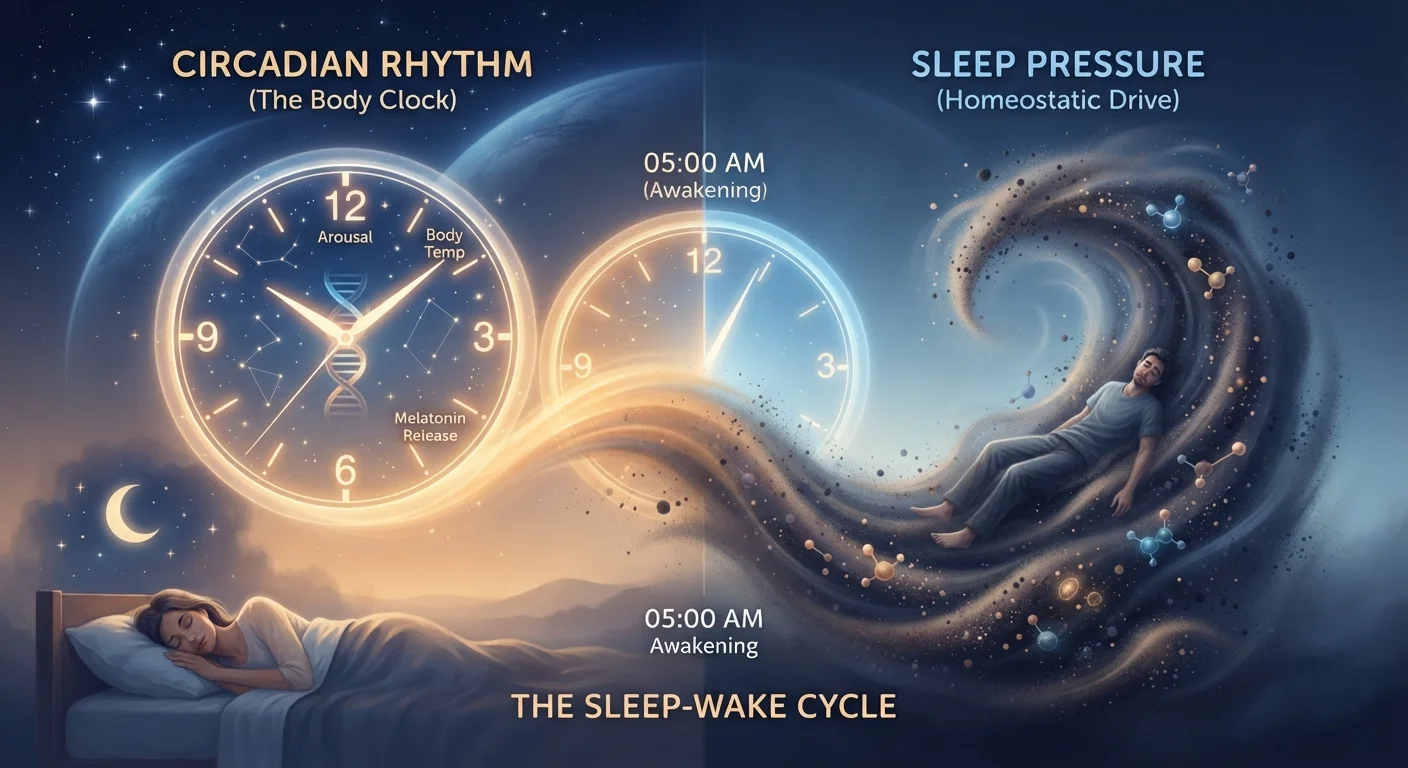
Sleep doesn't switch on like a light. The transition from wakefulness to sleep is a gradual physiological process governed largely by two systems: the circadian clock, which tracks time of day, and the homeostatic sleep drive, which accumulates pressure to sleep the longer you're awake. A wind-down routine works by signaling both systems simultaneously — consistent pre-bed cues tell your circadian clock that sleep is approaching, while deliberate de-arousal behaviors (dimming lights, reducing cognitive load, lowering stimulation) allow the nervous system to shift from sympathetic dominance toward the parasympathetic state that sleep requires.
Cortisol — the hormone most associated with alertness and stress response — follows a daily curve that naturally declines in the evening. But stimulating activities, bright light exposure, and unresolved mental demands can blunt or delay that decline. A well-designed routine removes those obstacles so your biology can do its job.
For a broader look at how nightly habits connect to long-term health, see Building a Daily Routine That Supports Long-Term Cognitive Health, which addresses how sleep fits into the bigger picture of cognitive wellbeing.
Anchor Your Routine to an Existing Habit
Behavioral research on habit formation consistently shows that linking a new behavior to an established cue dramatically improves adherence. Try attaching your wind-down start — such as dimming lights or brewing tea — to something you already do every evening, like finishing dinner or brushing your teeth.
What You'll Need Before You Start
Before working through the steps below, review the prerequisites and tools that make the routine easier to sustain. You don't need to have everything in place on day one — but knowing what's involved helps you plan realistically.
What you will need
Dim or warm-toned lighting
Reduces blue-light exposure in the evening to support natural melatonin rise.
Phone or device screen timer
Automates a screen-off boundary so you don't have to rely on willpower alone.
Journal or notebook
Used for brief worry-dumping or gratitude writing to offload mental load before bed.
Thermostat or fan
Helps lower bedroom temperature to the range associated with faster sleep onset.
For a thorough look at the full landscape of sleep habits — from understanding your individual sleep needs to redesigning your environment — The Complete Guide to Building Lasting Sleep Habits is a useful companion resource.
Step-by-Step: Building Your Routine
The steps below are designed to be layered in gradually. You don't need to implement all five at once — starting with one or two and adding more over the following week or two is both realistic and effective. Sustainability matters more than comprehensiveness.
Set a Fixed Wind-Down Start Time
Decide on a time — ideally 45 to 60 minutes before your target bedtime — when your wind-down begins. Treat it as a soft boundary, not a strict rule. The circadian system is reinforced by timing consistency: your body anticipates sleep more readily when cues arrive at the same point each evening. Pick a time you can realistically hold on most weeknights, even if weekends shift slightly.
Dim Your Lights and Limit Screen Exposure
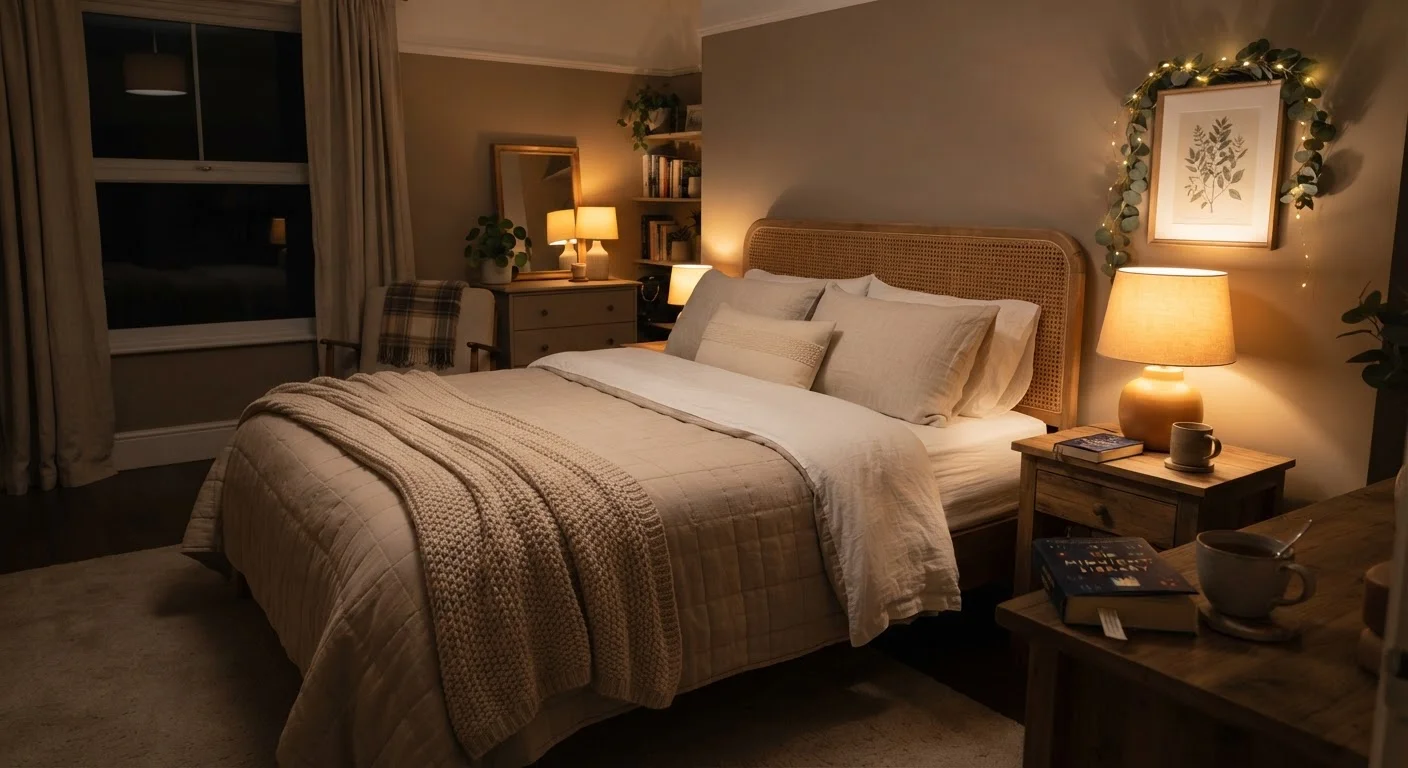
Light is the primary signal your brain uses to calibrate its internal clock. Short-wavelength blue light — emitted by phones, tablets, and LED overhead lights — suppresses melatonin production, the hormone that promotes sleepiness. When your wind-down begins, shift to warmer, lower-intensity light sources and put screens away or enable night mode. This single change has meaningful downstream effects on how quickly you fall asleep.
Lower Your Environment's Temperature
Core body temperature naturally drops during sleep onset, and a cooler bedroom environment accelerates this process. Research generally points to a bedroom temperature in the upper 60s°F as conducive to sleep for most adults, though individual comfort varies. If a full thermostat adjustment isn't practical, a fan, lighter bedding, or a brief cool shower can support the same physiological shift.
Do a Brief Mental Offload
Unfinished mental tasks — tomorrow's to-do list, unresolved worries, replayed conversations — are a leading cause of prolonged sleep latency (the time it takes to fall asleep). Spend five to ten minutes writing down tomorrow's priorities or any lingering concerns. A landmark study published in the Journal of Experimental Psychology found that writing a specific to-do list before bed helped participants fall asleep significantly faster than journaling about completed tasks. The act of externalizing pending thoughts reduces the brain's need to keep rehearsing them.
Choose a Calming, Consistent Closing Activity
The final 15 to 20 minutes of your routine should involve a low-stimulation activity that you genuinely enjoy — reading physical print, gentle stretching, listening to quiet music, or a breathing exercise. Consistency matters: repeating the same activity trains your nervous system to associate it with sleep. Avoid anything with a narrative pull strong enough to delay sleep (a gripping podcast, social media scrolling, or work email), as these maintain cognitive arousal rather than reducing it.
This Is General Information, Not Medical Advice
The guidance in this article is intended for general health education only. If you experience persistent insomnia, frequent night waking, or other sleep disorders, please consult a qualified healthcare professional. Do not delay seeking care based on information found here.
Once your routine is in place, use Your Pre-Sleep Wind-Down Audit to periodically evaluate what's working and where friction is building up.
Common Habits That Undermine Your Routine
Even well-intentioned evening behaviors can quietly work against sleep quality. Late-evening exercise — particularly high-intensity workouts within two hours of bed — elevates core temperature and cortisol in ways that can delay sleep onset for some people, though individual responses vary. Alcohol is widely misunderstood: while it may accelerate sleep onset, research consistently shows it disrupts sleep architecture in the second half of the night, reducing restorative slow-wave and REM sleep. Late meals, especially those high in simple carbohydrates, can affect blood glucose regulation in ways that interfere with sleep continuity.
For a deeper look at which evening patterns to reconsider, Evening Habits That Work Against a Restful Night walks through the evidence on common behavioral disruptors.
This article is for general informational and educational purposes only and is not a substitute for professional medical advice, diagnosis, or treatment. If you are experiencing ongoing sleep difficulties or a diagnosed sleep disorder, please consult a qualified healthcare provider.