
Why Recovery Isn't One-Size-Fits-All
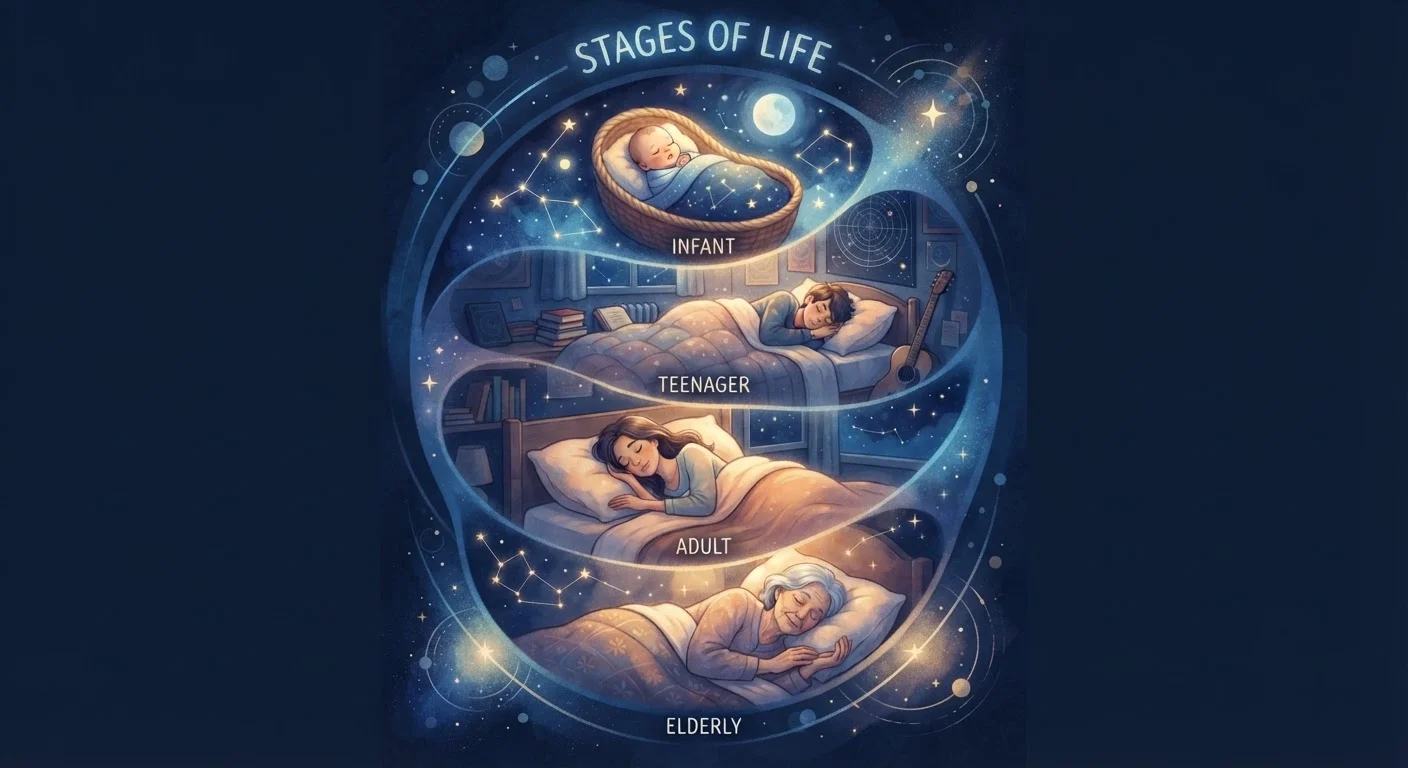
The concept of recovery covers a broad range of biological processes: muscle fiber repair, nervous system downregulation, hormonal replenishment, immune system maintenance, and cognitive restoration. In early adulthood, these systems operate at or near peak efficiency. By midlife and beyond, the same workload demands meaningfully more time, nutritional support, and intentional rest to achieve the same restorative outcome.
Understanding these shifts isn't about accepting decline — it's about calibrating expectations and strategies to match what the body actually needs at each stage. For a deeper look at how sleep structure itself evolves, see how sleep architecture changes across a lifetime.
~20%
Slow-wave sleep reduction by age 60
Research published in journals including Sleep Medicine Reviews indicates that slow-wave sleep can decline by roughly 20% or more between young adulthood and age 60, meaningfully affecting physical restoration.
~40%
Slower muscle protein synthesis after age 40
Studies in exercise physiology literature suggest that skeletal muscle protein synthesis rates may be approximately 30–40% lower in older adults compared to young adults following similar resistance exercise stimuli.
7–9 hrs
Recommended nightly sleep for adults
The American Academy of Sleep Medicine and the Sleep Research Society recommend 7–9 hours of sleep per night for most adults to support health and recovery, regardless of age.
Early Adulthood (20s–30s): High Capacity, High Demands
In the 20s and early 30s, recovery capacity is generally at its highest. Slow-wave (deep) sleep — the stage most associated with physical restoration, growth hormone release, and immune function — occupies a larger proportion of the night than it will in any subsequent decade. Muscle protein synthesis rates are robust, and the autonomic nervous system toggles efficiently between activation and rest.
That said, this life stage often coincides with high cumulative stress loads: demanding work schedules, irregular sleep, and social pressures that fragment sleep and compress recovery windows. The risk here is not biological limitation but behavioral: consistently trading sleep for productivity creates a deficit that compounds over time. Adults in this group benefit from establishing consistent sleep timing and recognizing that recovery is a performance input, not a luxury.
Midlife (40s–50s): When Physiology Starts Shifting
By the 40s, several biologically meaningful changes are underway. Deep sleep duration begins a gradual decline that continues through later life. Muscle protein synthesis rates slow, meaning the body requires both more dietary protein and longer rest intervals between intense training sessions to achieve comparable repair. Research suggests that older adults may need higher per-meal protein intakes — not just more total daily protein — to maximally stimulate muscle repair. For more on this topic, see how protein intake needs shift across life stages.
Hormonal changes in both men and women — gradual testosterone decline in men, and estrogen fluctuations during perimenopause in women — further affect sleep quality, thermoregulation, and the body's anabolic environment. Non-sleep recovery strategies such as structured rest, mindfulness, and gentle movement become increasingly valuable complements to sleep at this stage. Explore mental recovery strategies beyond sleep for evidence-informed approaches.
Later Life (60s and Beyond): Prioritizing Quality and Consistency
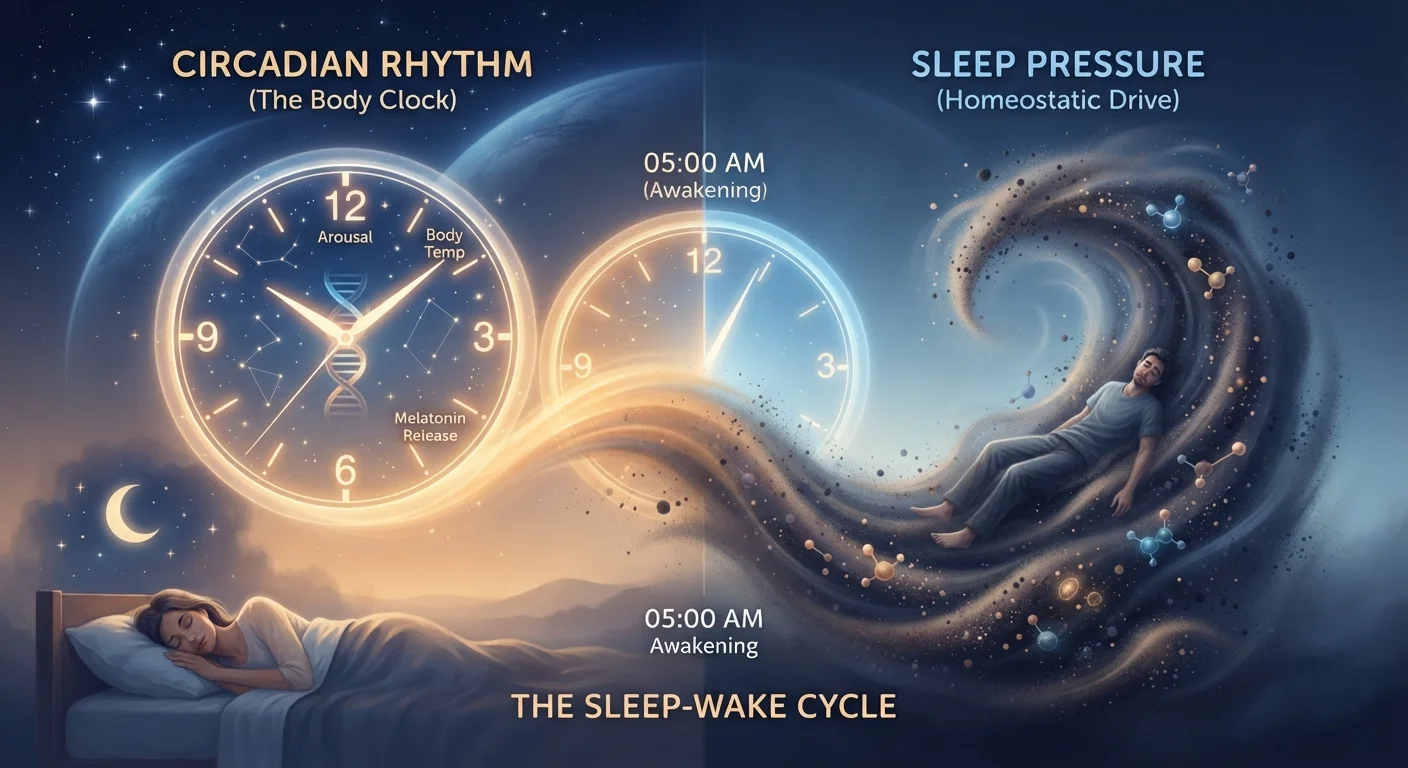
In the 60s and beyond, the restorative architecture of sleep continues to shift: time in deep slow-wave sleep is substantially reduced compared to early adulthood, and sleep becomes more fragmented with more frequent nighttime awakenings. This doesn't mean older adults recover less — but it does mean recovery requires more deliberate structure. Understanding what each sleep stage contributes can help clarify why sleep quality matters as much as duration.
Tissue repair is slower, inflammatory resolution takes longer, and the nervous system's stress-buffering capacity is reduced. This population benefits most from consistent sleep and wake times, regular low-to-moderate intensity movement to sustain circulation and joint mobility, adequate protein distribution throughout the day, and deliberate parasympathetic activation through practices like diaphragmatic breathing, gentle yoga, or time in nature. Importantly, this life stage is also where comorbidities — conditions like sleep apnea, arthritis, or cardiovascular disease — can significantly intersect with recovery. Anyone managing chronic health conditions should work with a qualified healthcare professional to tailor their recovery approach.
For a broader view of how to align habits with each decade of life, see longevity habits across every decade.
This article is for general informational and educational purposes only and is not a substitute for professional medical advice, diagnosis, or treatment. Always consult a qualified healthcare provider with questions about your individual health and recovery needs.