Why Recovery Isn't One-Size-Fits-All
Recovery is not simply the absence of exercise — it is an active biological process governed by the specific stress your body just experienced. A two-hour trail run, a heavy squat session, and a 20-minute HIIT workout each deplete different energy substrates, create different patterns of muscle damage, and challenge the nervous system in distinct ways. Treating them identically leaves adaptation on the table and raises the risk of accumulated fatigue.
Understanding the physiology behind each training type lets you apply the right tools at the right time. For readers newer to structured recovery, this practical starting point covers the foundational pillars — rest, movement, nutrition, and stress management — before you layer in modality-specific strategies.
After a long endurance session, prioritize carbohydrate intake within the first hour — this window, while not magic, aligns with elevated glycogen synthase activity and can meaningfully accelerate fuel restoration.
Glycogen synthase activity is heightened immediately post-exercise, making early carbohydrate consumption particularly effective for replenishing muscle glycogen stores before the next training session.
If you use cold water immersion regularly, consider reserving it for endurance and HIIT recovery rather than after strength sessions — the anti-inflammatory effect that reduces soreness may also dampen the anabolic signaling that builds muscle.
Studies have found that frequent post-strength cold immersion can attenuate satellite cell activity and blunt long-term hypertrophy, suggesting strategic rather than blanket use is more appropriate.
Track subjective readiness each morning using a simple 1–5 scale for sleep quality, mood, and muscle soreness — patterns over one to two weeks reveal more than any single data point.
Subjective wellness questionnaires have been validated in sport science research as reliable indicators of accumulated fatigue and readiness to train, often correlating with objective measures like HRV.
Recovering from Endurance Training
Sustained aerobic work — running, cycling, swimming, rowing — primarily depletes muscle glycogen, the stored form of carbohydrate the body relies on for prolonged effort. Research consistently shows that consuming carbohydrates in the hours following a long endurance session accelerates glycogen resynthesis and shortens the time needed before the next quality workout. For a deeper look at fluid losses and rehydration, see this plain-language reference on hydration and electrolytes.
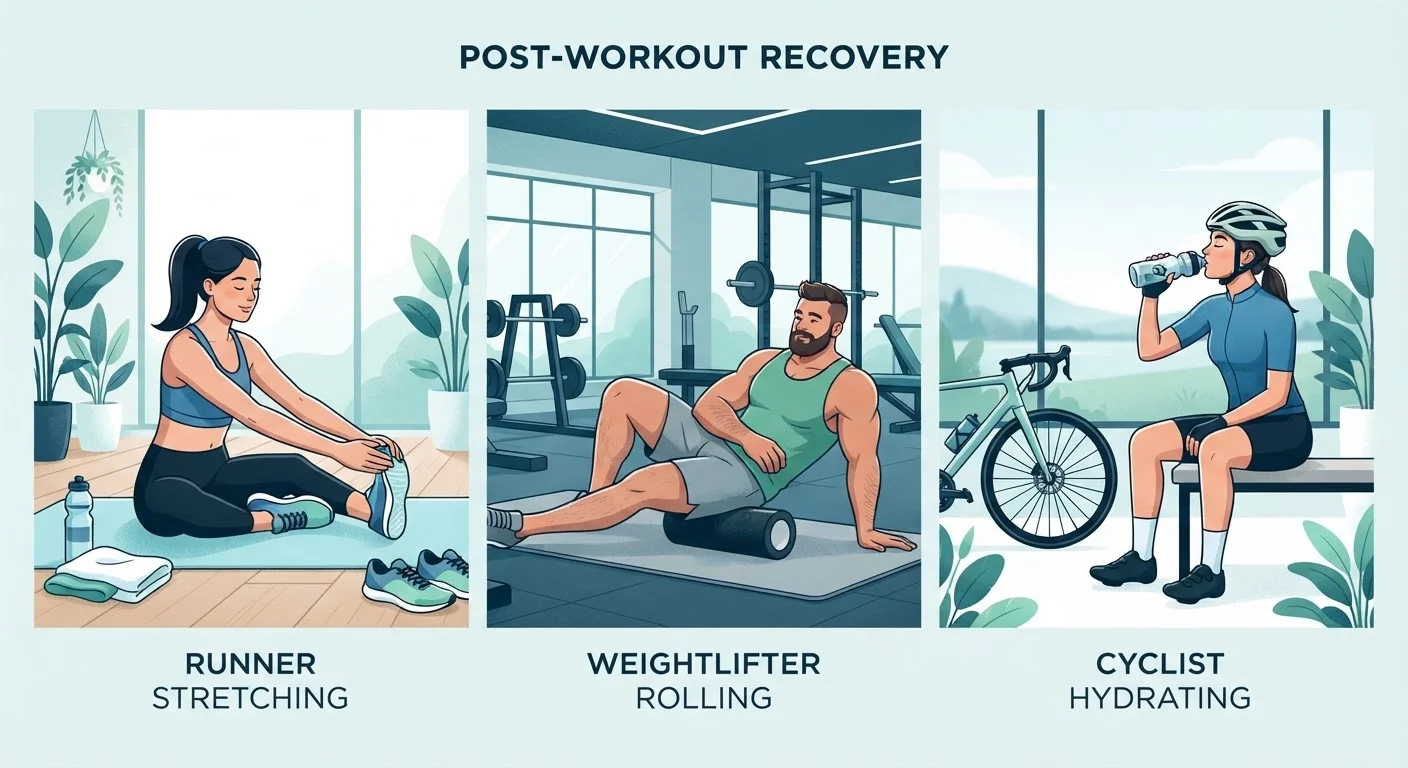
Beyond fueling, endurance training accumulates mechanical load — repetitive ground contact or pedal strokes create micro-trauma in connective tissue over time. Low-intensity movement on off-days (often called active recovery) promotes blood flow and metabolic waste clearance without adding meaningful new stress. Gentle walking, easy cycling, or swimming at a conversational pace are well-supported approaches. Compression garments have modest evidence for reducing perceived soreness after running, though effect sizes in research tend to be small.
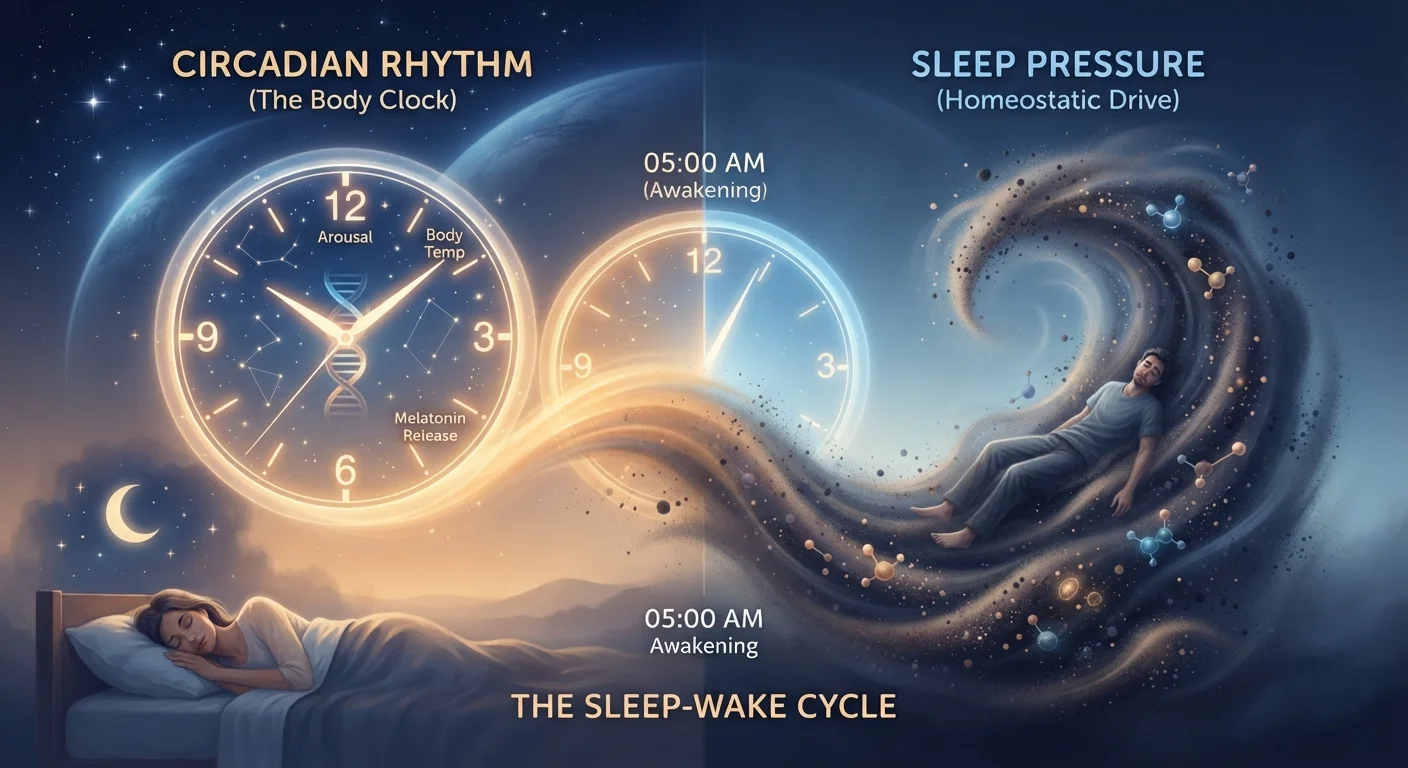
Sleep is particularly powerful here: slow-wave sleep is the phase during which human growth hormone is predominantly secreted — a hormone central to tissue repair and glycogen restoration.
Recovering from Strength and Resistance Training
Resistance training causes eccentric muscle damage — microscopic tears in muscle fibers, particularly during the lengthening phase of a lift. Delayed onset muscle soreness (DOMS) peaks roughly 24–72 hours post-session and reflects this inflammatory repair process, which, when completed, results in stronger, denser muscle tissue.
Protein intake is the dominant nutritional lever here. The body requires adequate amino acids — especially leucine — to stimulate muscle protein synthesis (MPS), the cellular process that rebuilds damaged fibers. Distributing protein intake across meals throughout the day, rather than concentrating it in one sitting, appears to sustain elevated MPS more effectively than a single large bolus. How much protein is appropriate varies with body size and training volume; a qualified registered dietitian can help you determine a personalized target rather than relying on generic numbers.
For programming context, this guide on hypertrophy vs. muscular endurance rep ranges explains how training variables influence the extent of muscle damage — directly affecting how much recovery time is needed. Heavier loading with lower reps creates more mechanical tension and typically demands longer inter-session rest than higher-rep endurance-focused protocols.
Cold water immersion (ice baths) can reduce acute soreness, but emerging evidence suggests it may blunt some of the molecular signaling that drives long-term strength adaptation if used too frequently after resistance sessions. This remains an area of active research.
Recovering from High-Intensity Interval Training (HIIT)
HIIT is metabolically and neurologically demanding in ways that differ from both steady-state endurance and traditional strength work. Short, maximal or near-maximal efforts tax the phosphocreatine and glycolytic energy systems while also placing heavy load on the autonomic nervous system (ANS) — specifically, driving the body into a sympathetic-dominant state. Recovery involves not just replenishing energy and repairing tissue, but also restoring parasympathetic (rest-and-digest) nervous system tone.
Heart rate variability (HRV) — a non-invasive measure of beat-to-beat variation in heart rate — is commonly used to track ANS recovery status. Lower HRV relative to an individual's baseline can signal that the nervous system has not yet recovered from a previous session, making it a useful (though imperfect) guide for scheduling high-intensity efforts.
Psychological fatigue compounds physical fatigue after HIIT, particularly when sessions are frequent. Strategies that support mental recovery — structured downtime, nature exposure, and breathing exercises — are relevant alongside physical tools. This article on mental recovery beyond sleep explores evidence-informed approaches for restoring cognitive and emotional bandwidth.
Cross-Cutting Recovery Principles
Despite the differences outlined above, several recovery principles apply broadly across training types:
- Sleep quality and quantity — The most consistently supported recovery tool in the literature. Slow-wave and REM sleep both serve restorative functions relevant to physical and cognitive recovery.
- Nutritional adequacy — Chronic underfueling undermines adaptation from any type of training. Relative Energy Deficiency in Sport (RED-S) is a recognized clinical syndrome with consequences for bone health, hormone function, and immune resilience.
- Stress load management — The body does not distinguish between physiological and psychological stress when regulating cortisol. High life stress competes with exercise stress for the same recovery resources.
- Consistency over intensity — Research on training adaptation suggests that moderate, sustained effort across weeks and months outperforms sporadic maximal exertion followed by forced rest.
Age also shapes how quickly and completely recovery occurs. This companion article on recovery across the lifespan examines how tissue repair rates, sleep architecture, and stress tolerance shift from early adulthood onward.
Building a Recovery Practice That Fits Your Training
The most effective recovery strategy is one that is actually sustainable and matched to your specific training demands. Start by identifying your primary training modality and the physiological stressors it creates. Then prioritize the one or two recovery levers most relevant to that modality — carbohydrate replenishment for endurance athletes, protein distribution for those focused on strength, nervous system restoration for frequent HIIT practitioners.
For readers whose training spans both performance and general health goals, the overlap between modalities means recovery planning should account for cumulative load across an entire training week, not just individual sessions. Tracking subjective readiness — sleep quality, mood, motivation, perceived soreness — alongside objective markers where available gives a more complete picture than any single data point.
Finally, if you experience persistent fatigue, unexplained performance decline, or symptoms that concern you, consult a qualified healthcare professional. General guidance on recovery cannot substitute for individualized clinical assessment, particularly when symptoms suggest overtraining syndrome or underlying health conditions.
This article is for general informational and educational purposes only and does not constitute medical advice. Always consult a qualified healthcare professional before making significant changes to your training or recovery practices.