Darkness, temperature, noise, and clutter all affect sleep quality. Use this checklist to audit your sleep space room by room.
Key Takeaways
Light exposure — even small amounts — suppresses melatonin and delays sleep onset.
A cooler room temperature (roughly 65–68°F) supports the body's natural drop in core temperature needed for sleep.
Chronic noise exposure during sleep is linked to fragmented sleep architecture and reduced slow-wave sleep.
Clutter and visual disorder in the bedroom are associated with elevated stress and poorer sleep quality.
Most bedroom sleep environment improvements cost little or nothing to implement.
Why Your Bedroom Environment Matters
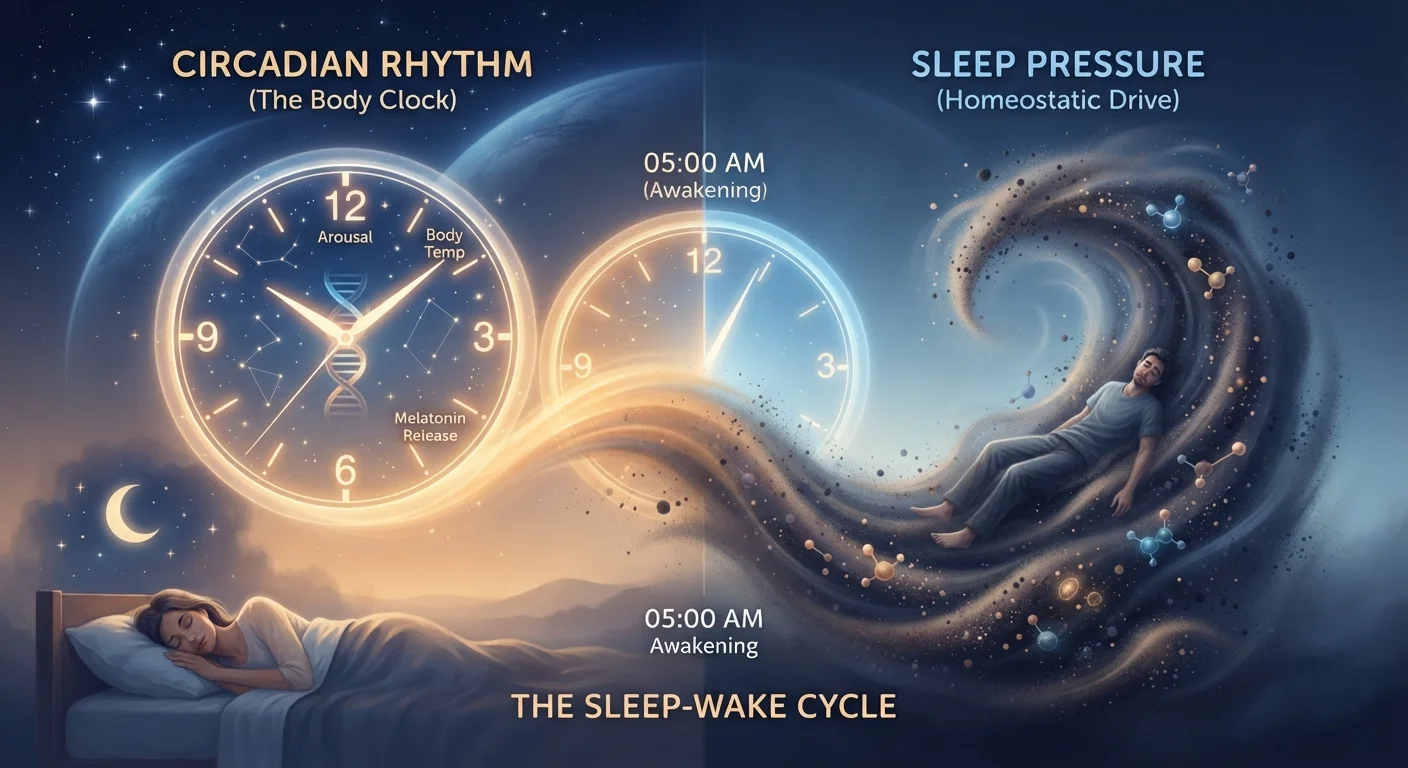
Sleep doesn't happen in a vacuum. Research in sleep science consistently shows that environmental factors — light, temperature, sound, and even the visual complexity of a room — directly influence how quickly you fall asleep, how deeply you stay asleep, and how restored you feel in the morning. These are not minor variables. The environmental conditions in your bedroom interact with fundamental biological mechanisms: your circadian rhythm, melatonin secretion, and the regulation of body temperature during sleep.
This checklist is designed to help you systematically audit your sleep space rather than guess at what might be undermining your rest. Work through each group at your own pace — many items take under five minutes to address. For a fuller picture of how your evening behaviors interact with your environment, see Your Pre-Sleep Wind-Down Audit.
This article is for general informational purposes only and does not constitute medical advice. If you are experiencing persistent sleep difficulties, consult a qualified healthcare provider.
Light Control
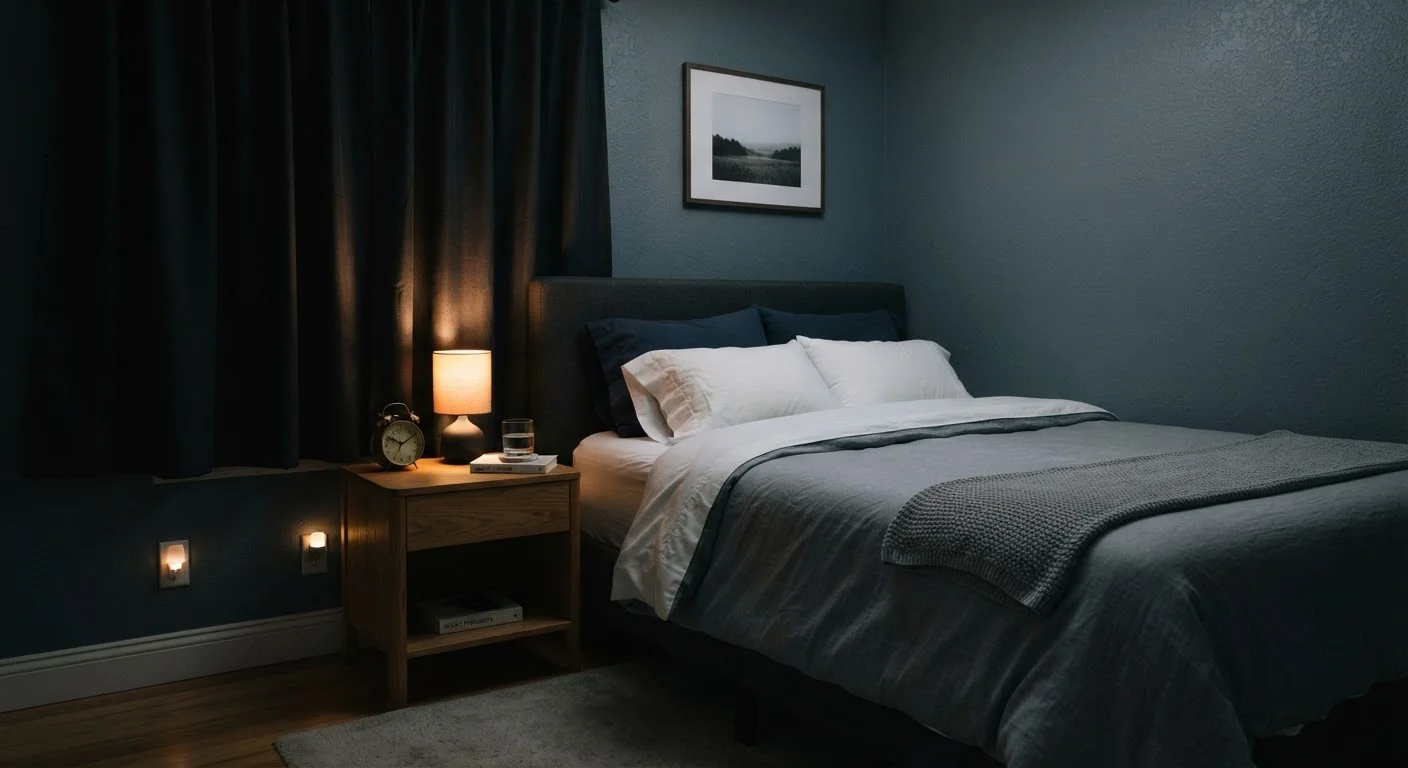
Install blackout curtains or blinds to block streetlights, car headlights, and early-morning sunlight from entering the room.Must
Cover or remove all LED indicator lights from electronics — even dim blue or green lights can suppress melatonin production.Must
Switch any nightlights or bedside lamps to bulbs that emit red or amber light (wavelengths that are less disruptive to circadian signaling) if a light source is necessary.Should
Remove or relocate any device with a bright display — televisions, monitors, digital clocks — from the direct line of sight from your pillow.Should
Consider a sleep mask as a backup for nights when light control is impractical, such as travel or shift-work schedules.Nice to have
Temperature
Set your thermostat or fan to keep your bedroom between approximately 65–68°F (18–20°C), the range most commonly associated with faster sleep onset in sleep research.Must
Choose bedding materials that allow airflow and wick moisture — natural fibers such as cotton or linen perform well for most sleepers.Should
Keep a lightweight additional blanket accessible so you can adjust layering without fully waking up.Nice to have
If you share a bed with a partner who has a different temperature preference, consider separate blankets rather than a single shared duvet.Nice to have
Noise Management
Identify and eliminate or reduce recurring disruptive noises — a dripping faucet, a loud HVAC vent, or noisy appliances in adjacent rooms.Must
Use a white noise machine, fan, or app-based steady-state sound to mask unpredictable ambient noise that causes micro-arousals during sleep.Should
Consider foam earplugs rated for sleep use if external noise (traffic, neighbors) is consistently disruptive and cannot otherwise be controlled.Should
Place rugs or soft furnishings in the bedroom to dampen sound reflection and reduce sharp acoustic intrusions.Nice to have
Bed and Bedding
Launder sheets and pillowcases regularly — at least every one to two weeks — to maintain hygiene and reduce allergen buildup that can disrupt breathing during sleep.Must
Assess your pillow's support: a pillow that no longer holds its shape or provides neck alignment should be replaced.Should
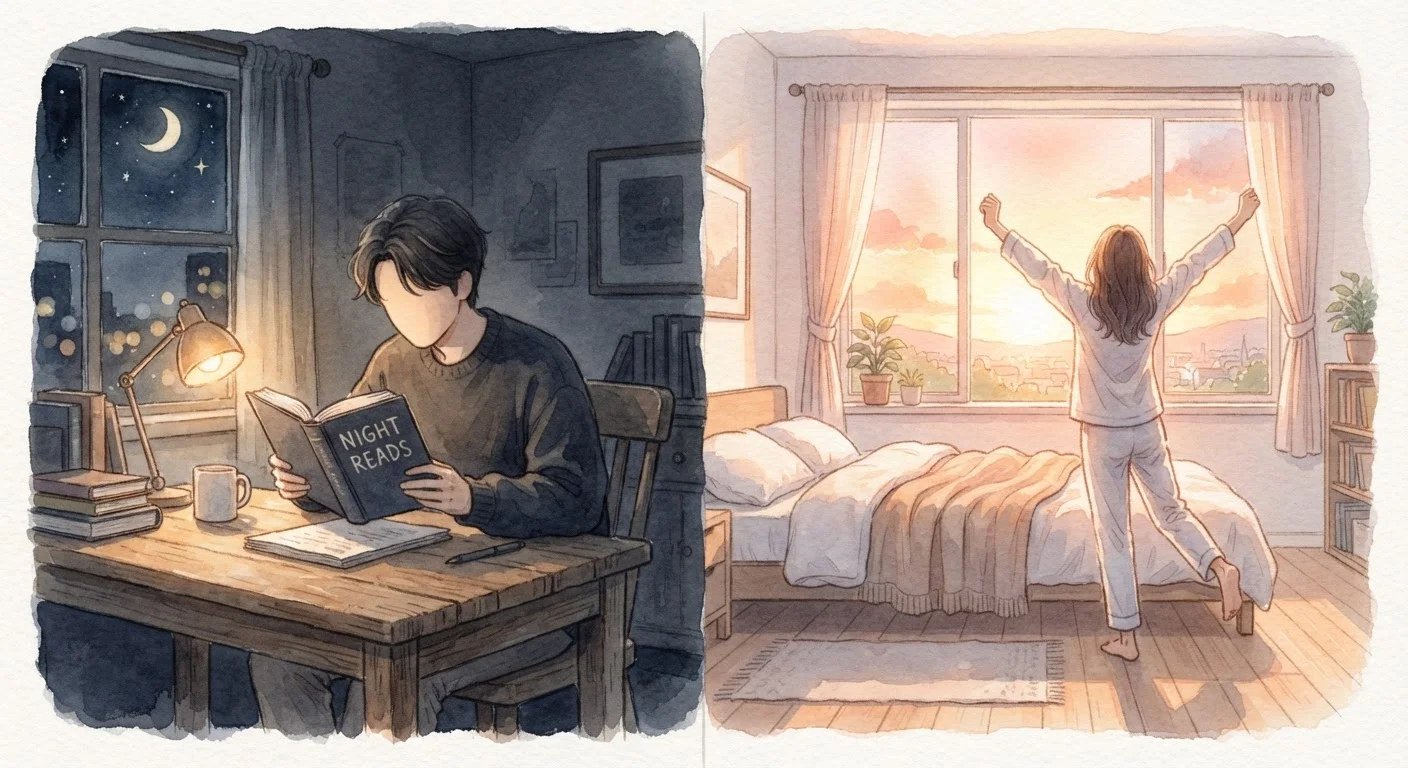
Reserve your bed exclusively for sleep and intimacy — using it for work, media consumption, or prolonged reading can weaken the mental association between bed and sleep.Must
Clutter and Visual Calm
Clear visible clutter from surfaces within eyeline of the bed — research suggests visual disorder elevates cognitive arousal and makes it harder to mentally disengage at bedtime.Should
Remove work-related items, screens, or materials from the bedroom entirely if possible, to reinforce the room's mental association with rest.Must
Keep the nightstand limited to sleep-supportive items: a glass of water, a book (not a screen), and any necessary sleep aids.Nice to have
Tools and Resources to Help
Most items on this checklist require no specialized equipment. That said, a few affordable tools can make it significantly easier to assess and improve specific conditions in your room.
Required
Blackout curtains or roller blinds
Block external light sources that interfere with melatonin production and early-morning wake-up.
Required
Thermometer or smart thermostat
Accurately monitor bedroom temperature so you can maintain the recommended 65–68°F sleep-conducive range.
Optional
White noise machine or fan
Generate consistent background sound to mask unpredictable noise spikes that fragment sleep.
Optional
Light meter app (smartphone-based)
Measure ambient light levels in the room at night to identify hidden sources disrupting darkness.
Optional
Sleep mask
Provide portable light blocking when physical window treatments are insufficient or unavailable.
Once your environment is optimized, pairing these changes with consistent behavioral habits amplifies the effect. The Complete Guide to Building Lasting Sleep Habits offers a comprehensive framework for combining environmental design with routine-level changes. For a closer look at which nightly behaviors actively work against a good environment, Evening Habits That Work Against a Restful Night is a useful companion read. You can also explore the broader Sleep & Recovery hub for additional evidence-informed guidance.
Sleep & Recovery Editorial Team is the collective byline for our editorial team and contributor network. Articles published under this byline or an editorial pen name are researched, written, and reviewed according to our editorial standards for clarity, consistency, and independence before publication.
The content on this site is for informational purposes only and is not a substitute for professional advice. Always consult a qualified professional for guidance specific to your situation.