Why Small Habits Have an Outsized Effect on Sleep
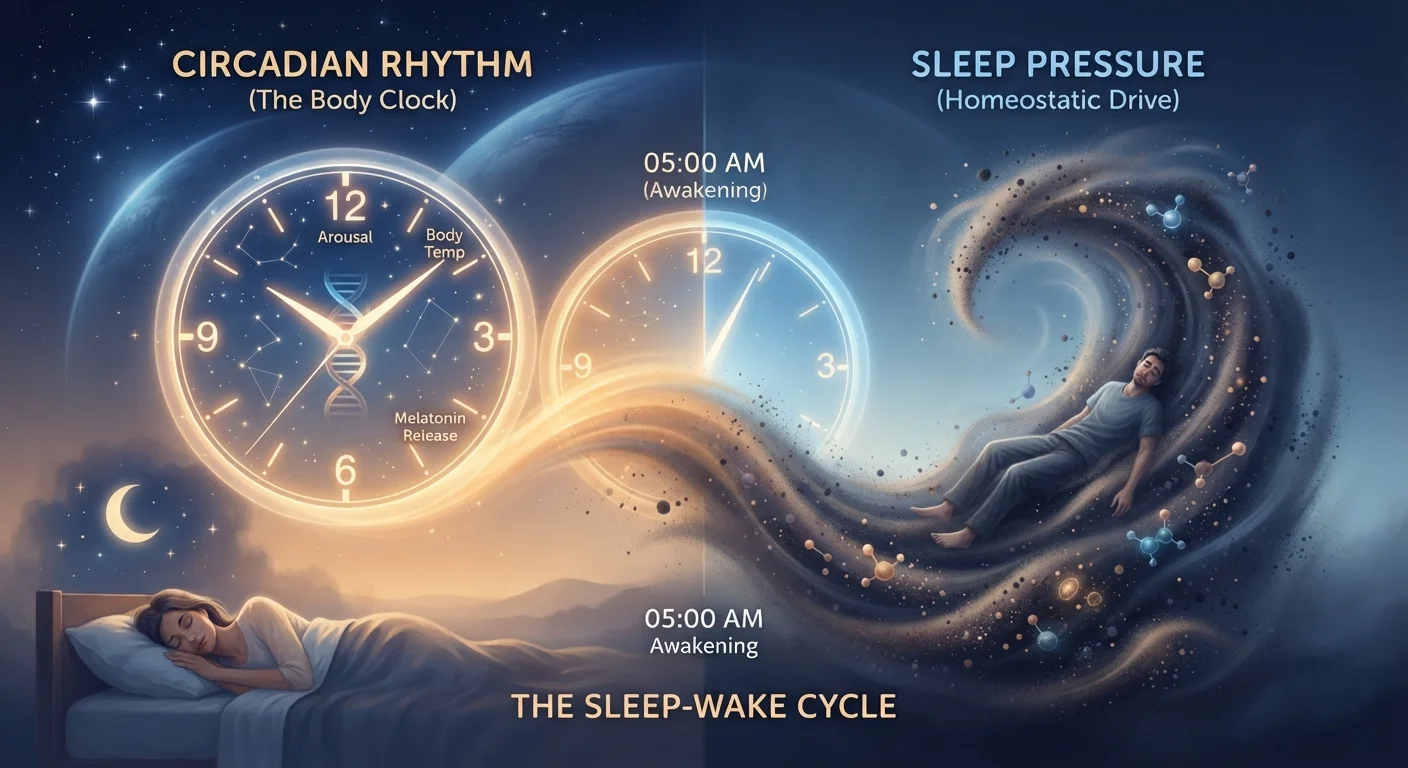
Sleep is governed by two interlocking biological systems: the circadian clock, which times alertness and melatonin release according to a roughly 24-hour cycle, and the homeostatic system, which builds sleep pressure (driven by adenosine accumulation) the longer you stay awake. When daily habits push against either system — even subtly — they create a mismatch that surfaces as difficulty falling asleep, frequent waking, or waking unrefreshed.
What makes many sleep-disrupting habits hard to identify is that they often feel neutral or even helpful in the moment. The afternoon espresso sharpens focus. Staying in bed on Sunday morning seems like a reasonable reward. Scrolling on your phone feels like decompressing. Yet each of these behaviors carries a downstream cost that compounds across nights. Understanding the mechanism behind each mistake is what makes correction possible — and sustainable.
For a broader look at which sleep advice is firmly evidence-based versus culturally inherited habit lore, see how sleep hygiene advice compares to the underlying science.
The Most Common Sleep Habit Mistakes — and How to Correct Them
The mistakes below represent patterns that sleep researchers and clinicians encounter consistently across otherwise healthy adults. Each one has a clear physiological explanation and a practical corrective action.
Keeping inconsistent sleep and wake times across the week.
Why it happens: Many people treat weekdays and weekends as separate schedules, sleeping in on Saturday and Sunday to feel 'caught up.' This feels like a rational recovery strategy.
Using long or late-afternoon naps to compensate for poor nighttime sleep.
Why it happens: Daytime fatigue makes napping feel necessary, and the short-term relief it provides reinforces the habit. Most people don't realize naps longer than 20–30 minutes can substantially reduce adenosine-driven sleep pressure by evening.
Consuming caffeine in the afternoon or early evening.
Why it happens: Caffeine's alerting effects fade noticeably within a few hours, which leads many people to underestimate how long the compound remains active in the body. Its half-life averages around five to six hours in healthy adults, meaning a 3 p.m. coffee can still block adenosine receptors well past midnight.
Scrolling on a phone or tablet in bed as a wind-down activity.
Why it happens: Devices feel passive and relaxing after a demanding day, and the social content they deliver can feel calming. The blue-light wavelength exposure and cognitively stimulating content, however, work against sleep onset.
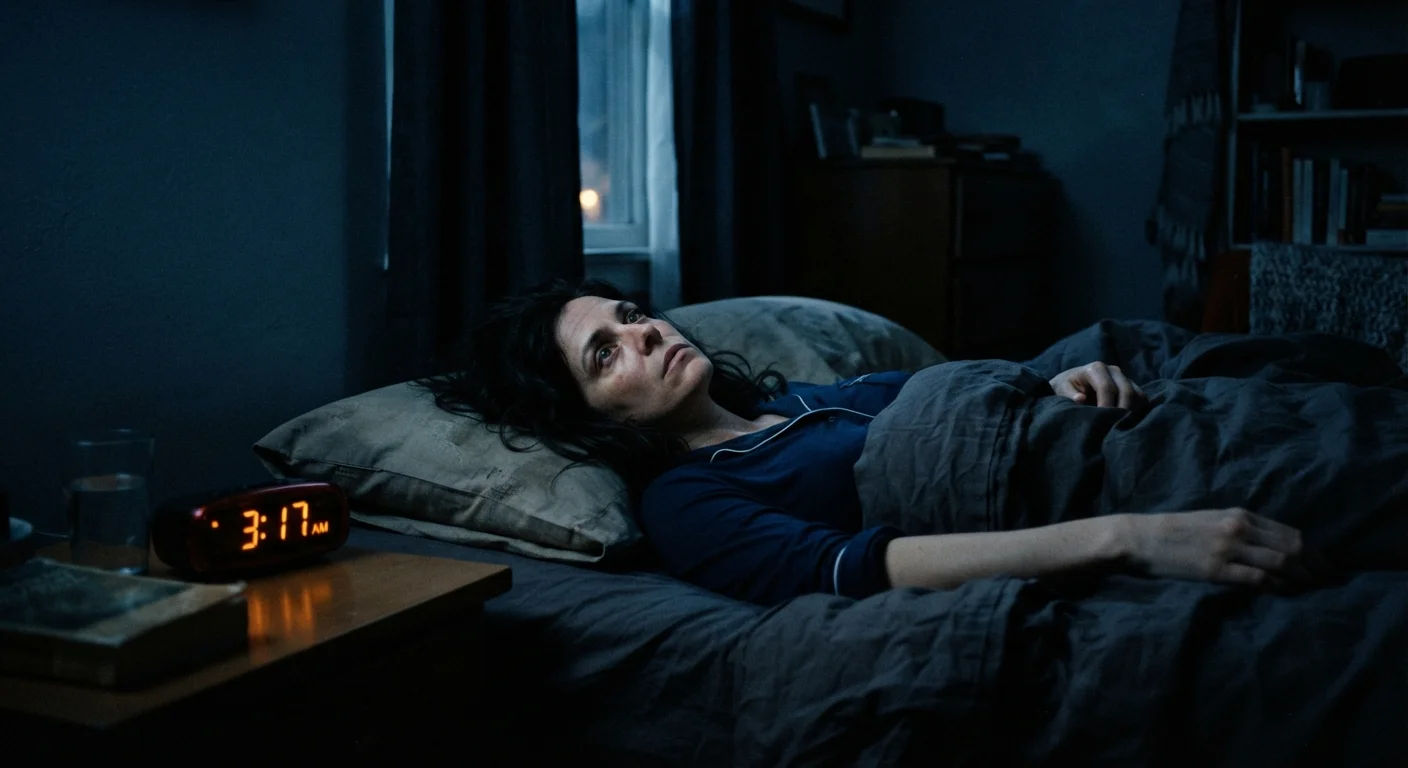
Staying in bed when unable to sleep, hoping sleep will eventually come.
Why it happens: Lying still in a dark room seems like it should help. Staying put also avoids the discomfort of getting up, particularly in cold weather.
Treating alcohol as a sleep aid because it speeds up falling asleep.
Why it happens: Alcohol does accelerate sleep onset and initially increases slow-wave activity, which gives the impression of deeper rest. What isn't felt in the moment is its suppression of REM sleep and the rebound arousal that fragments the second half of the night.
Many of these patterns show up together. Daytime behaviors like meal timing and evening exercise also feed into nighttime rest quality, so the picture is rarely limited to the hour before bed alone.
Building Habits That Actually Hold
Correcting sleep habits is less about dramatic overhauls and more about reducing friction against your biology. A consistent wake time, a caffeine cutoff that respects your individual metabolism, a wind-down routine that signals the nervous system to downregulate — these are the levers with the strongest evidence behind them.
This Content Is General Information Only
The information in this article is intended for general educational purposes and does not constitute medical advice. If you experience persistent sleep difficulties, excessive daytime sleepiness, or symptoms suggestive of a sleep disorder, please consult a qualified healthcare professional for personalized evaluation and guidance.
Behavioral change is also more durable when it's layered in gradually rather than overhauled overnight. Shifting your wake time by 15 minutes every few days, for example, creates far less resistance than jumping an hour immediately. If you're ready to structure these changes into an evening routine, building a nightly routine that actually sticks offers a practical framework grounded in the same evidence base.
Poor sleep over time is also linked to downstream effects that go beyond tiredness, including impacts on immune resilience. The connection between chronic sleep disruption and immune function is explored in detail in habits that quietly weaken immune function.
This article provides general health education and is not a substitute for professional medical advice. If you have persistent or severe sleep difficulties, consult a qualified healthcare provider.