Two Frameworks, One Goal
When people talk about sleep advice, they often blend two different things: what science has established about how sleep works, and what health educators recommend as practical habits. Both aim to improve rest, but they rest on very different levels of evidence — and conflating them can leave readers confused about which rules truly matter.
Sleep science refers to the peer-reviewed, mechanistic understanding of sleep biology: how the brain cycles through non-REM and REM stages, how the circadian clock is entrained by light, and how sleep deprivation impairs cognition and metabolic function. These findings come from controlled laboratory and epidemiological studies with replicable results.
Sleep hygiene — a term first used clinically in the 1970s — refers to a collection of behavioral recommendations designed to promote better sleep. As our overview of sleep hygiene details, these tips range from keeping a consistent schedule to limiting caffeine. Their evidence base varies considerably from one recommendation to the next.
What the Science Firmly Supports
Several sleep-related mechanisms are supported by robust, replicated research:
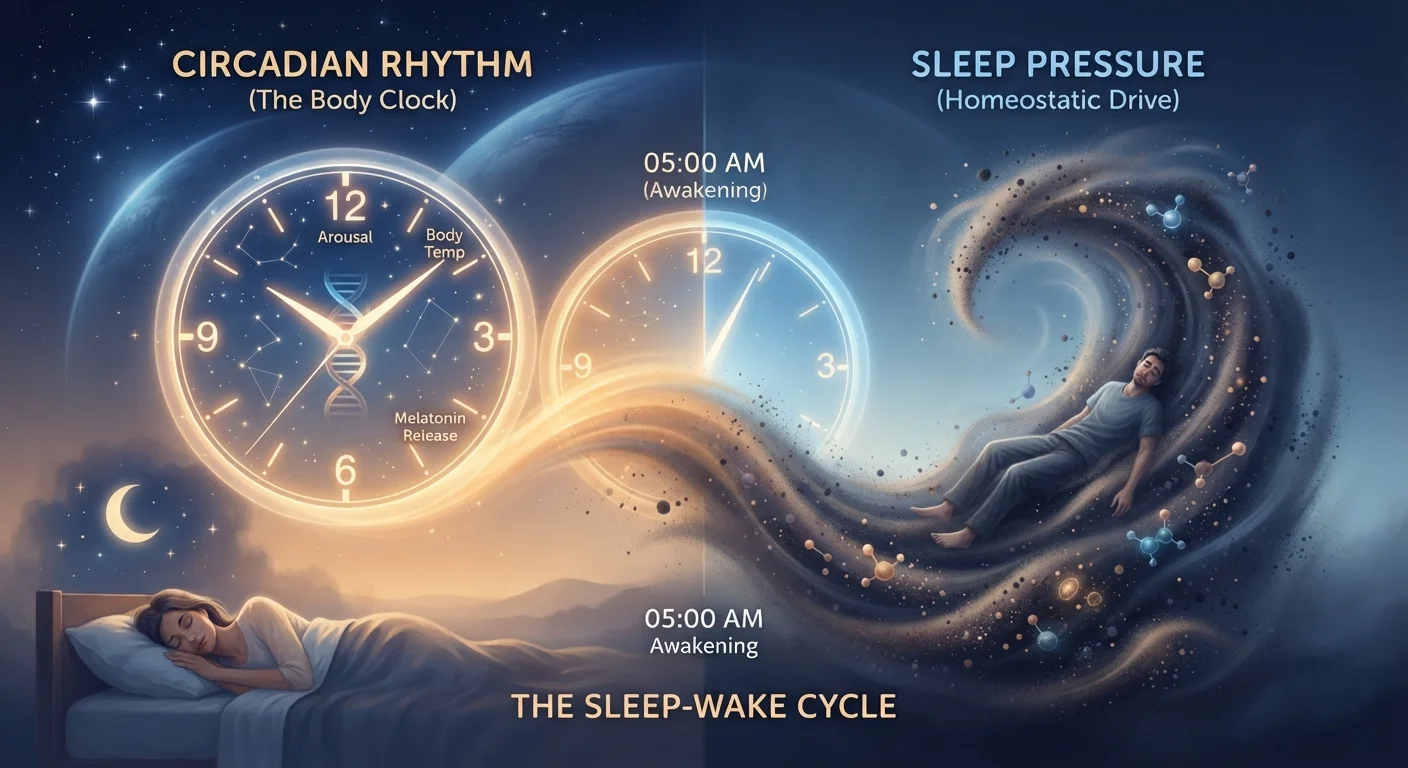
- Circadian rhythm regulation: The suprachiasmatic nucleus (SCN) in the hypothalamus acts as the body's master clock, synchronizing sleep-wake cycles to a roughly 24-hour period. Morning bright light exposure is among the most reliable tools for anchoring this clock.
- Light and melatonin suppression: Exposure to short-wavelength (blue) light in the evening delays melatonin secretion from the pineal gland, pushing the onset of sleepiness later. This mechanism is well-documented, though the magnitude of real-world impact from devices is more nuanced — see separating screen-time hype from the actual research for a fuller picture.
- Sleep stage architecture: Healthy sleep cycles through light NREM, deep slow-wave sleep (SWS), and REM sleep roughly every 90 minutes. SWS is critical for physical restoration and memory consolidation; REM supports emotional processing and procedural learning.
- Homeostatic sleep pressure: Adenosine accumulates in the brain during wakefulness, creating increasing pressure to sleep — caffeine works primarily by blocking adenosine receptors, temporarily masking this pressure without eliminating it.
~90 min
Average sleep cycle length
Sleep researchers consistently observe NREM-to-REM cycles of approximately 90 minutes in healthy adults across multiple polysomnography studies.
1–3 hrs
Melatonin delay from bright evening light
Studies published in the Journal of Clinical Endocrinology & Metabolism have documented circadian phase delays of this magnitude following evening light exposure.
13–46%
Prevalence of insomnia symptoms in U.S. adults
Estimates vary by diagnostic criteria, but multiple national surveys place the range of insomnia symptom prevalence within this broad band.
Where Hygiene Advice Outpaces the Evidence
Many commonly repeated sleep hygiene rules are plausible extrapolations from the physiology above, but their direct clinical evidence is more limited:
- "No screens one hour before bed": While blue-light effects on melatonin are real, research on whether device use meaningfully delays sleep onset in real-world settings is mixed. Content engagement and cognitive arousal may matter as much as the light itself.
- "Everyone needs eight hours": Population-level data links short sleep to health risks, but individual sleep need varies genetically. As researchers dispute several widely repeated sleep rules, rigid eight-hour prescriptions oversimplify genuine biological diversity.
- "Never lie in bed awake": Stimulus-control therapy — the practice of associating bed only with sleep — is genuinely evidence-based for CBT-I. However, the blanket rule as popularly stated strips away important nuance about when and for whom it applies.
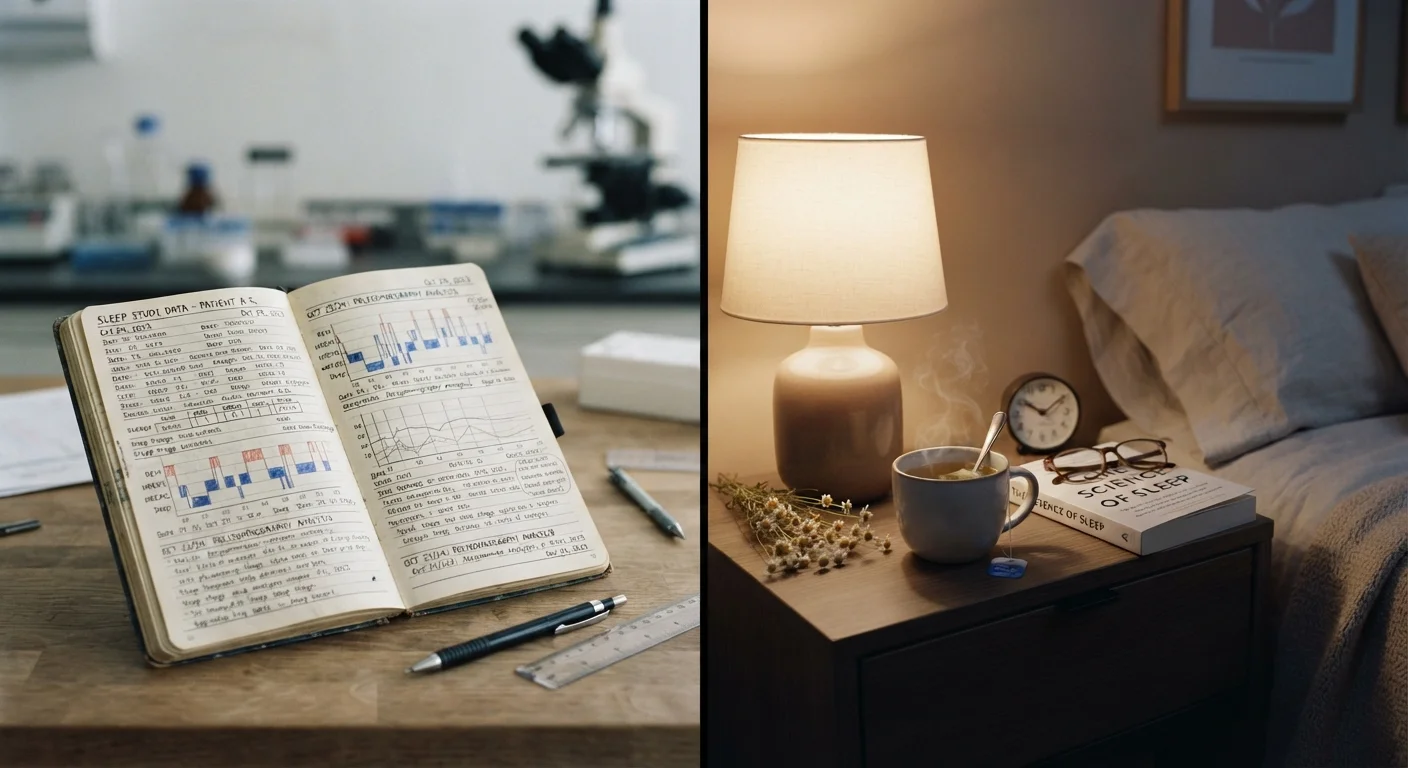
- Specific pre-sleep rituals: Warm baths, herbal teas, journaling — each has some supporting rationale, but high-quality randomized evidence for most is sparse. They may help via relaxation and expectation, which are legitimate mechanisms, but they shouldn't be treated as clinically proven interventions.
For a closer look at which habits have the strongest and most consistent backing, evidence-based sleep habits provides a useful reference.
Applying This Distinction in Practice
Understanding the difference between established sleep science and softer hygiene advice helps readers calibrate their efforts. A few practical principles follow from this framework:
- Anchor to the physiology first. Consistent wake times, adequate morning light exposure, and avoiding substances that fragment sleep (alcohol, late caffeine) are grounded in robust mechanisms. These deserve the most commitment.
- Treat hygiene tips as experiments, not rules. If limiting evening screens improves your sleep, keep doing it. If a warm bath before bed helps you wind down, that signal is worth following. The absence of large clinical trials doesn't make a habit wrong — it just means the effect size is uncertain. Building a nightly routine that actually sticks offers a framework for testing what works for you.
- Watch for habits that backfire. Some well-intentioned behaviors quietly undermine sleep quality. Evening habits that work against restful sleep covers common examples worth reconsidering.
- Know when habits aren't enough. Chronic insomnia, sleep apnea, restless legs syndrome, and circadian rhythm disorders require clinical evaluation. No hygiene routine substitutes for an accurate diagnosis and appropriate treatment from a qualified healthcare professional.
This article is for general informational and educational purposes only and does not constitute medical advice. If you have concerns about your sleep or health, consult a qualified healthcare professional.